Ferrum College
About Ferrum College
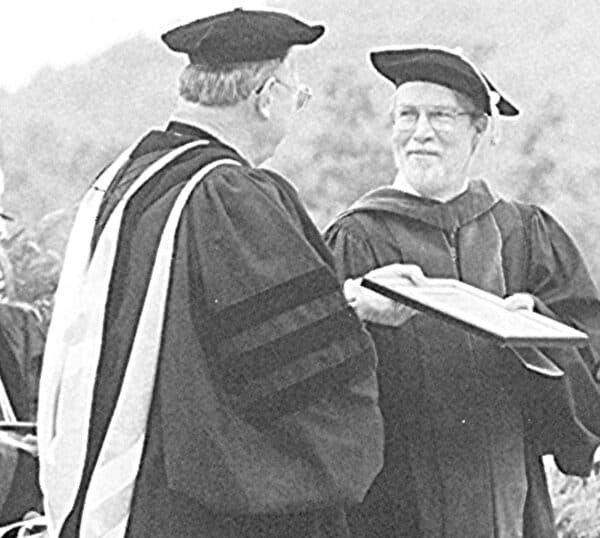
Dr. Peter G. Crow, known to students and colleagues simply as Pete, spent thirty-five years shaping the English department and the broader intellectual life of Ferrum College. Arriving in 1973 as one of a wave of young faculty tasked with building out the curriculum for Ferrum’s transition from a two-year junior college into a four-year, degree-granting institution, Pete helped lay the academic foundation for the school as it awarded its first bachelor’s degrees in 1976. Over the following decades he chaired the languages and literature division multiple times between 1975 and 2005, led a 1995 strategic planning study that reshaped the college’s academic climate, taught widely across literature and composition, and directed the Composition Center for years. He was later named the Forrest S. and Jean B. Williams Distinguished Professor in the Humanities in 2004, and his teaching earned him honors including the National Outstanding Educator Award from the United Methodist Church Board of Higher Education in 2003 and Ferrum’s own Exemplary Teacher Award in 1997.
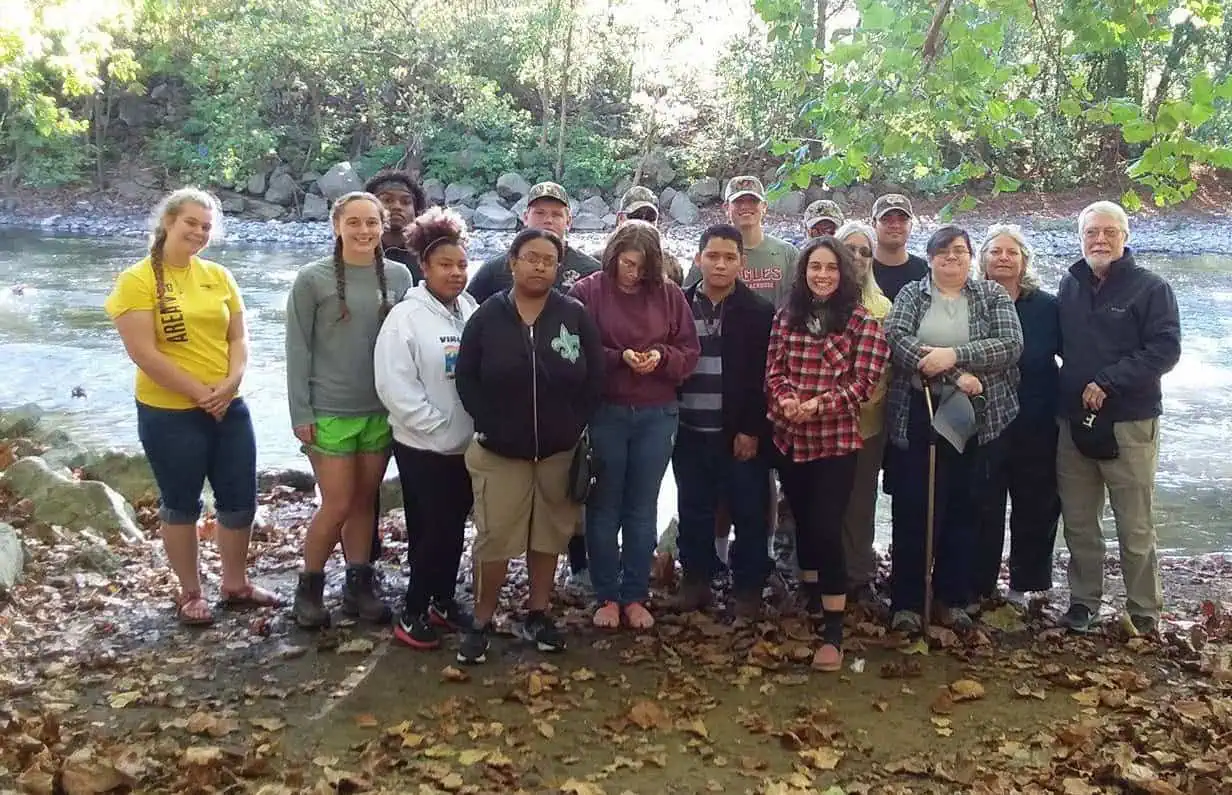
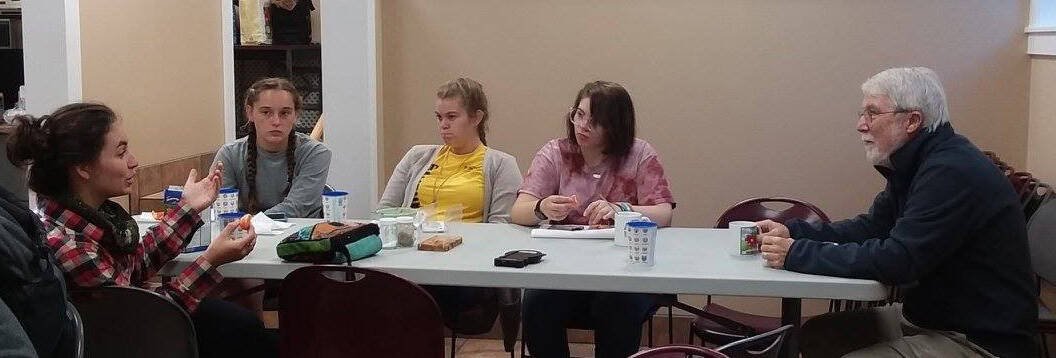
Beyond the classroom, Pete was a builder of community at Ferrum. He led the High Mountain Association, the student hiking and backpacking club, and helped create informal gatherings that drew students and townspeople together in the village of Ferrum. But his most lasting legacy was the Appalachian Cluster, a team-taught, interdisciplinary first-year program combining experiential and service learning with the study of modernization in Appalachia. He developed it in part through a 1998 American Council of Learned Societies-funded project on “The Reshaping of Appalachian Culture and Landscape,” and the cluster ran annually until 2020, sending students to build bunks at the Hurley Community Center, restore wetlands with high schoolers in St. Paul, VA, and provide flood relief and tutoring in places like McDowell County, WV. His research into the coal towns of southwest Virginia, gathered through student oral history interviews, became the book Do, Die, or Get Along: A Tale of Two Appalachian Towns (University of Georgia Press, 2006), and he directed three NEH Summer Institutes for college teachers on regional Appalachian study, held at Ferrum from 2002 to 2006.
Pete also created an experiential travel course for Ferrum students involving cultural exchange with a Muslim community in England, and he advised the English Club, where students wrote letters for Amnesty International under his guidance. He brought a performer’s spirit to campus life as well, appearing in Rex Stephenson’s history plays for Ferrum’s Blue Ridge Dinner Theatre, including an early production of Too Free for Me, based on records uncovered by Ferrum history professors about a Franklin County woman who proved in court in 1851 that she was not a slave.
Colleagues and former students remembered the depth of his influence on the college. Amanda Tipton, a 2004 graduate, credited the Appalachian Cluster with helping her fully embrace her Appalachian identity. Professor Emerita Susan Mead recalled how Pete brought her onto his Appalachian studies faculty team early in her career and mentored her until, in time, she mentored him in turn. Ferrum Provost Delia Heck called him the living embodiment of the college’s motto, “Not Self, But Others,” and President Mirta Martin credited his vision and warmth with helping shape Ferrum into the community it is today. Pete passed away on July 30, 2025, and the college held a memorial celebration in his honor, a fitting close to thirty-five years spent building Ferrum’s academic life and its ties to the surrounding Appalachian region.