
The Real People Behind the Book
Staying Alive In Bear Country - Reality
Though Pete passed away before the family read his book, many of the characters in the novel very clearly represent actual people from Pete’s life. Below is a list of characters and their real life model with images and a brief description.
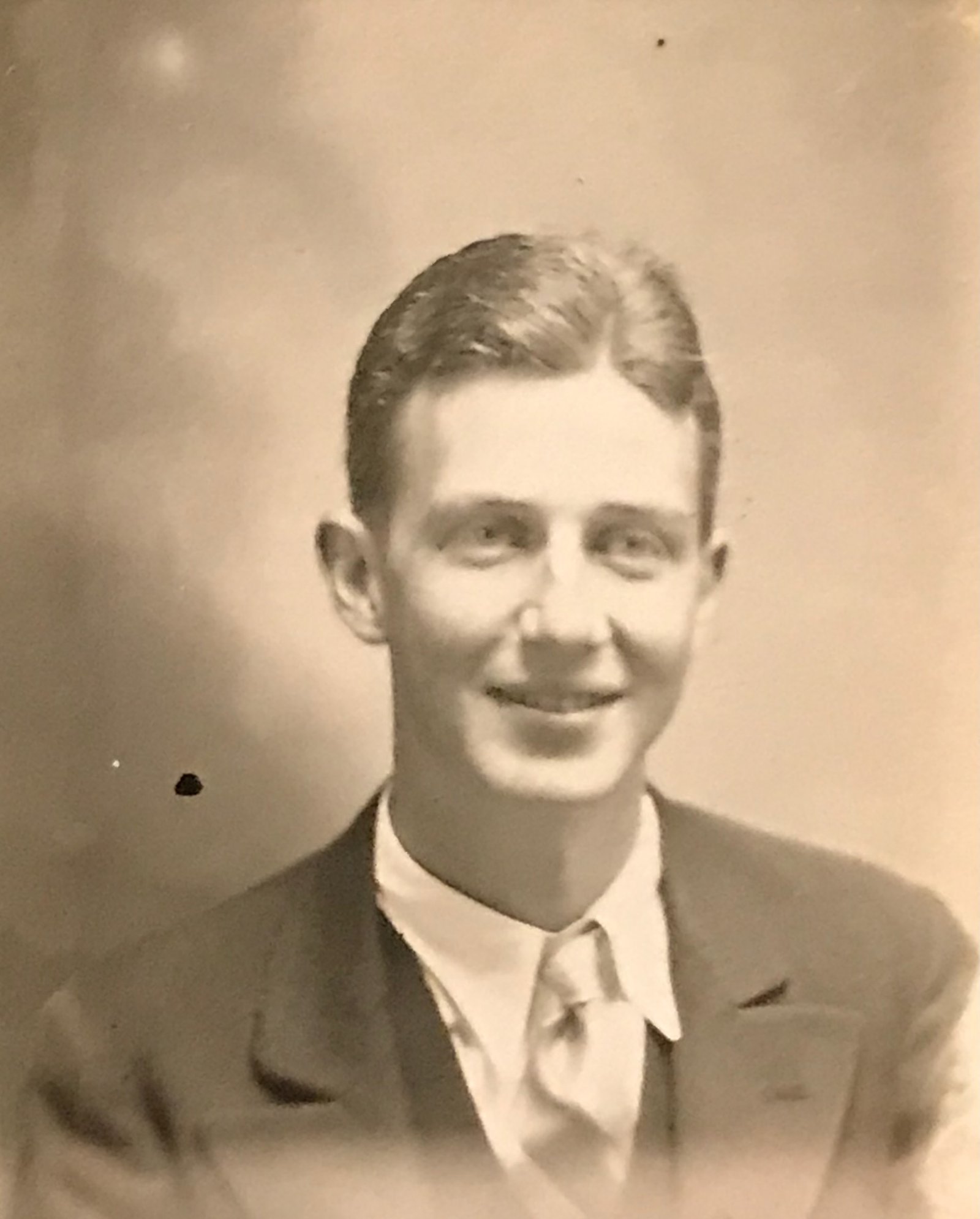
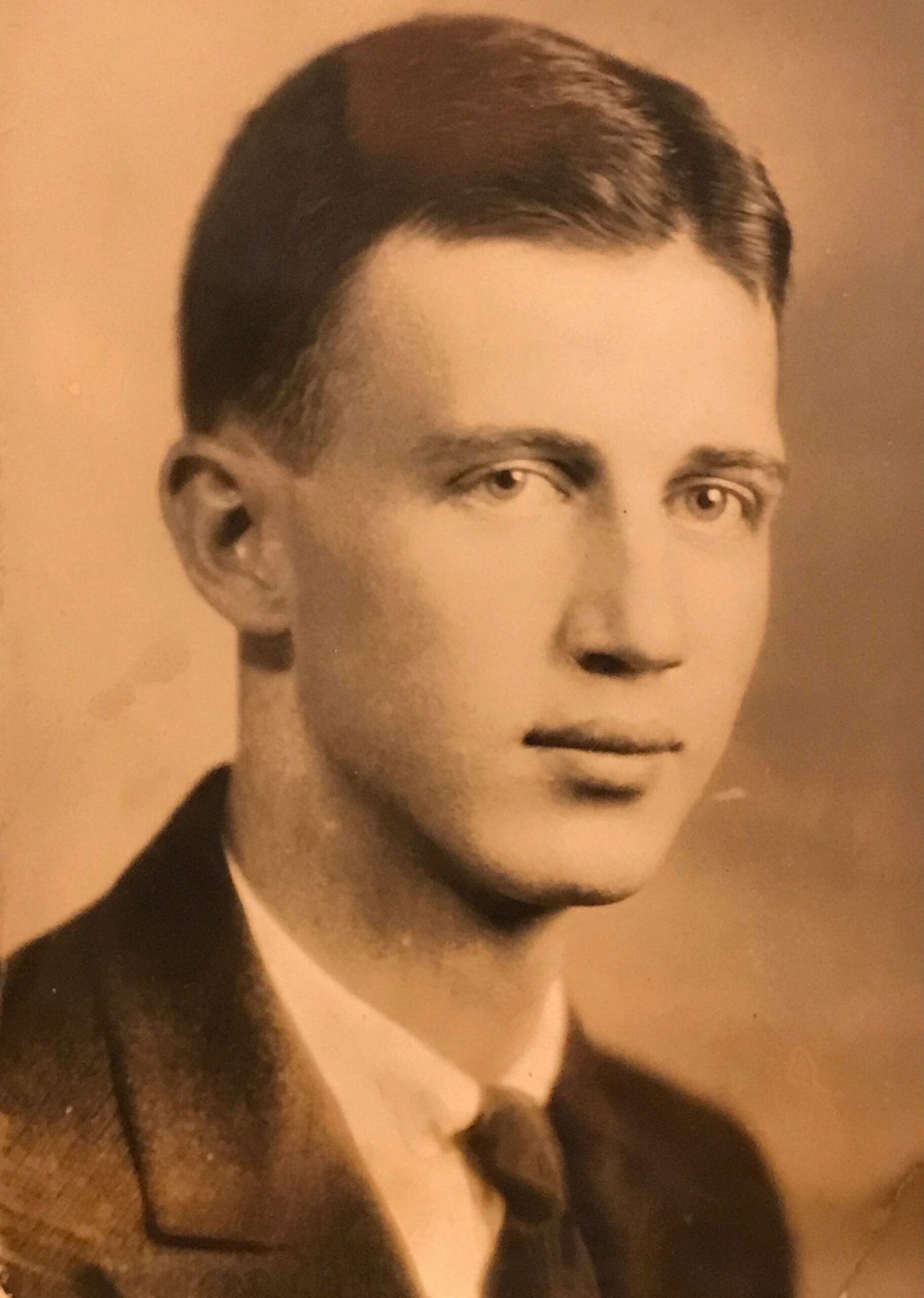
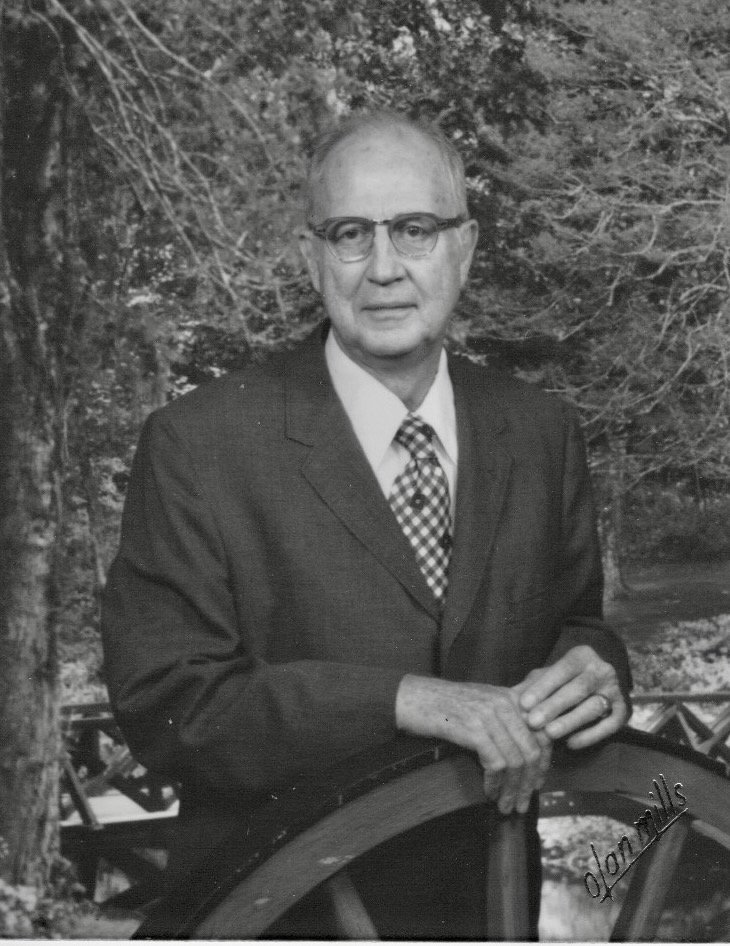
Will Grady - Edward Wilson Crow
(First seen in chapter, Bear Country)
Pete’s father: Ed Crow, better known to the family as Grandpa, spent his life working for the Hanes Knitting Company. Ed’s mother, Mary Alma Hanes Crow, was the niece of Pleasant Henderson and John Wesley Hanes, the founders of Hanes Knitting Company.
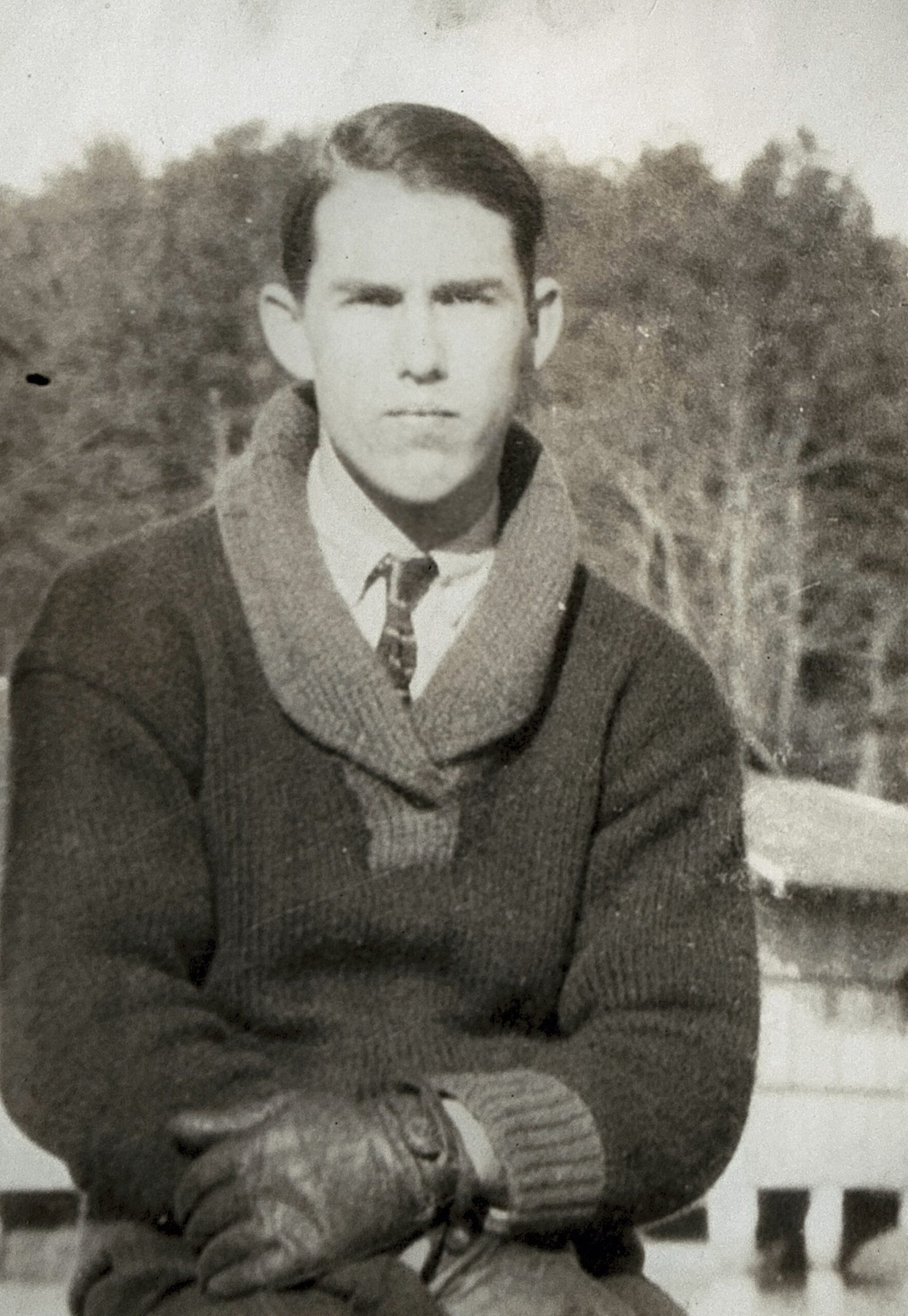
Uncle Mort - Uncle Glenn
(First seen in chapter Bear Country)
Uncle Glenn was Pete’s mother’s youngest brother. Glenn was considered the slow sibling in a family; prior to his death, Glenn’s father had asked another sibling, Uncle Pete (both uncles were Peter Crow’s namesakes) to look after Glenn. Uncle Glenn was dishonorably discharged from the military, never married, conquered the demons of alcoholism and was one of Pete’s favorite uncles. Pete ofter told the story of visiting Uncle Glenn as an adult and was surprised to see a pyramid of liquor bottles rising from the top of Glenn’s dresser. Glenn would tell him he liked to get up and look the devil in the eye.
He was from Kernersville, NC.
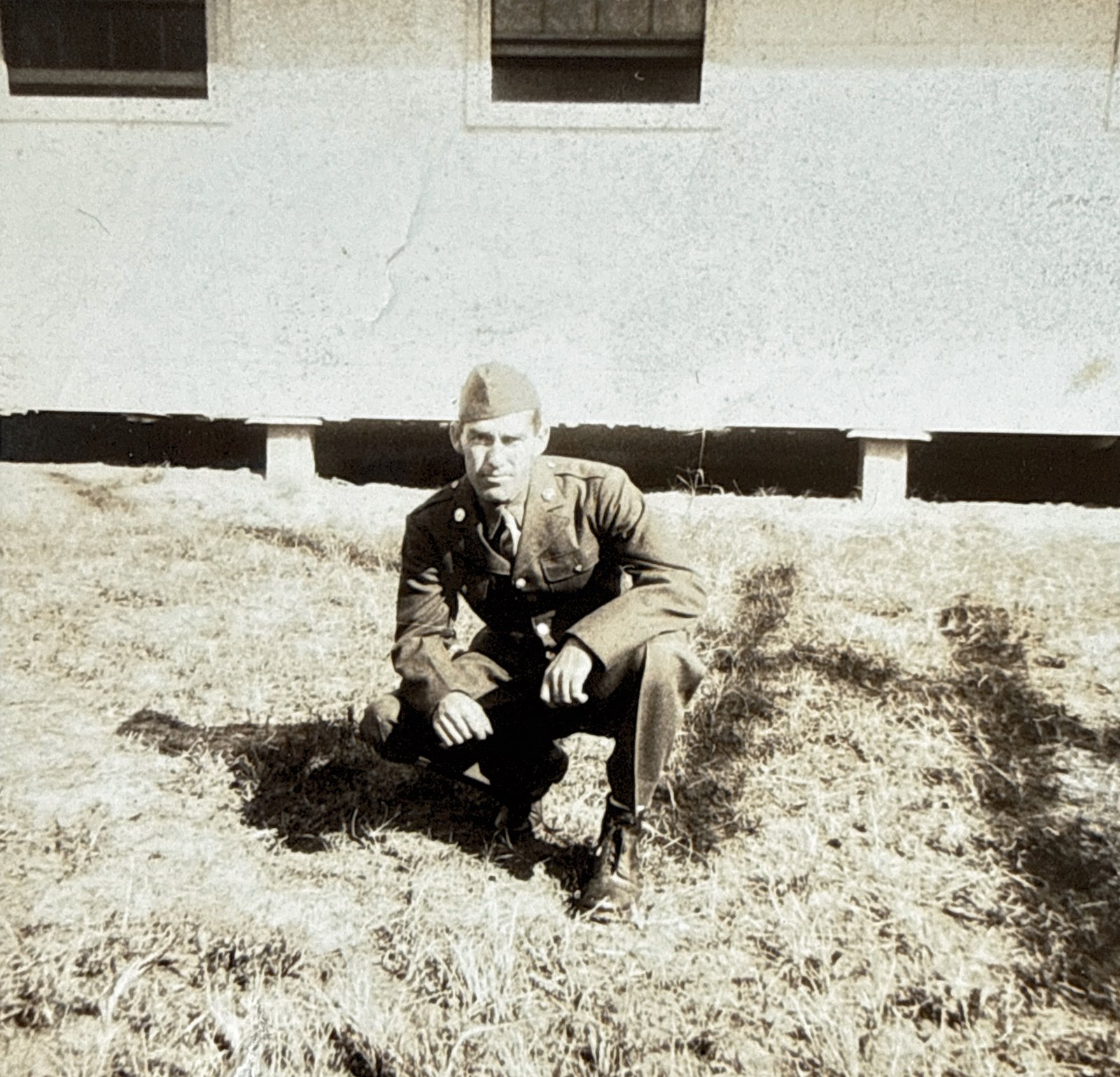
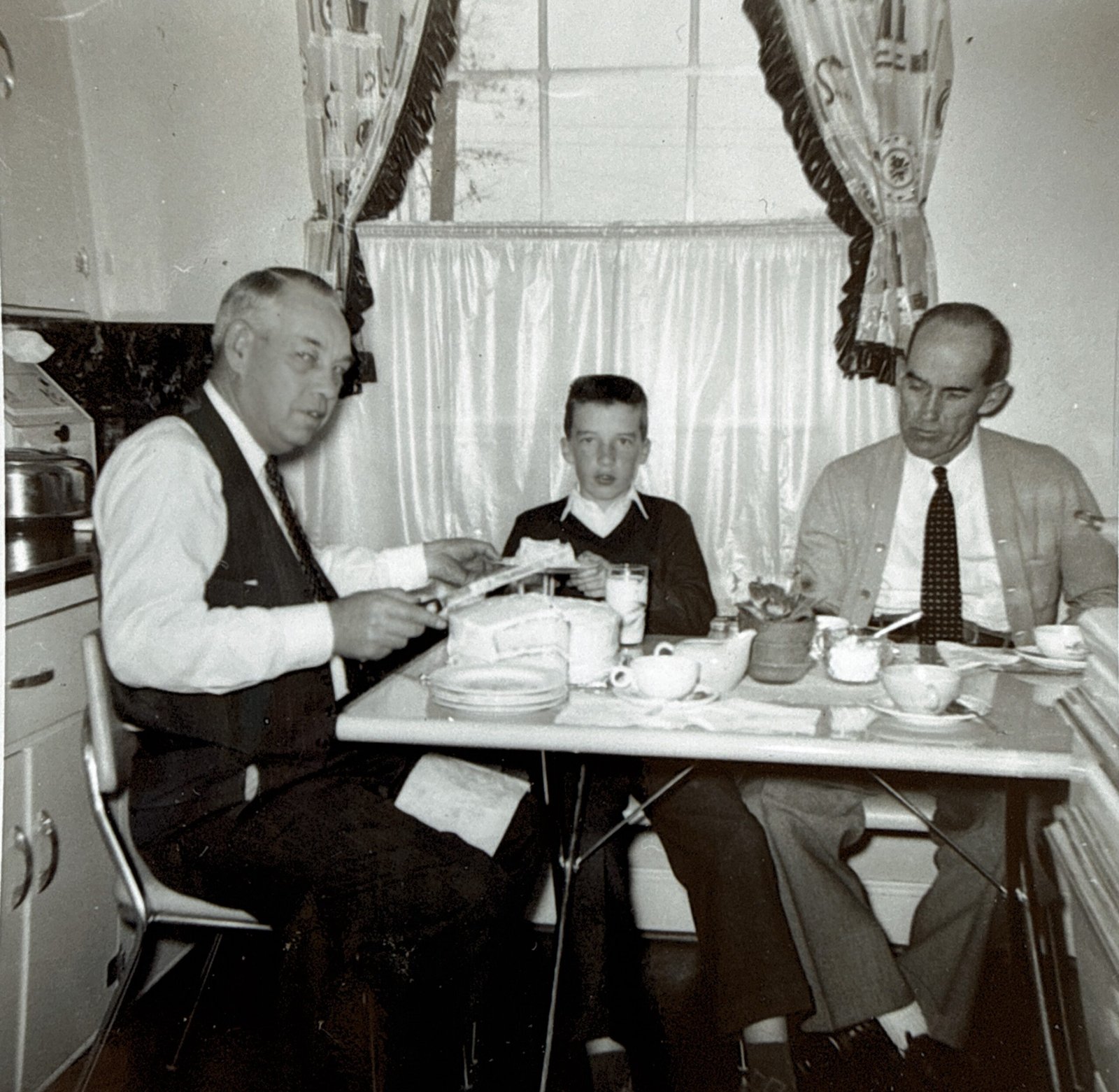
Charles and Bess - Aunt Bess and Uncle Charlie
(First seen in chapter, Bear Country)
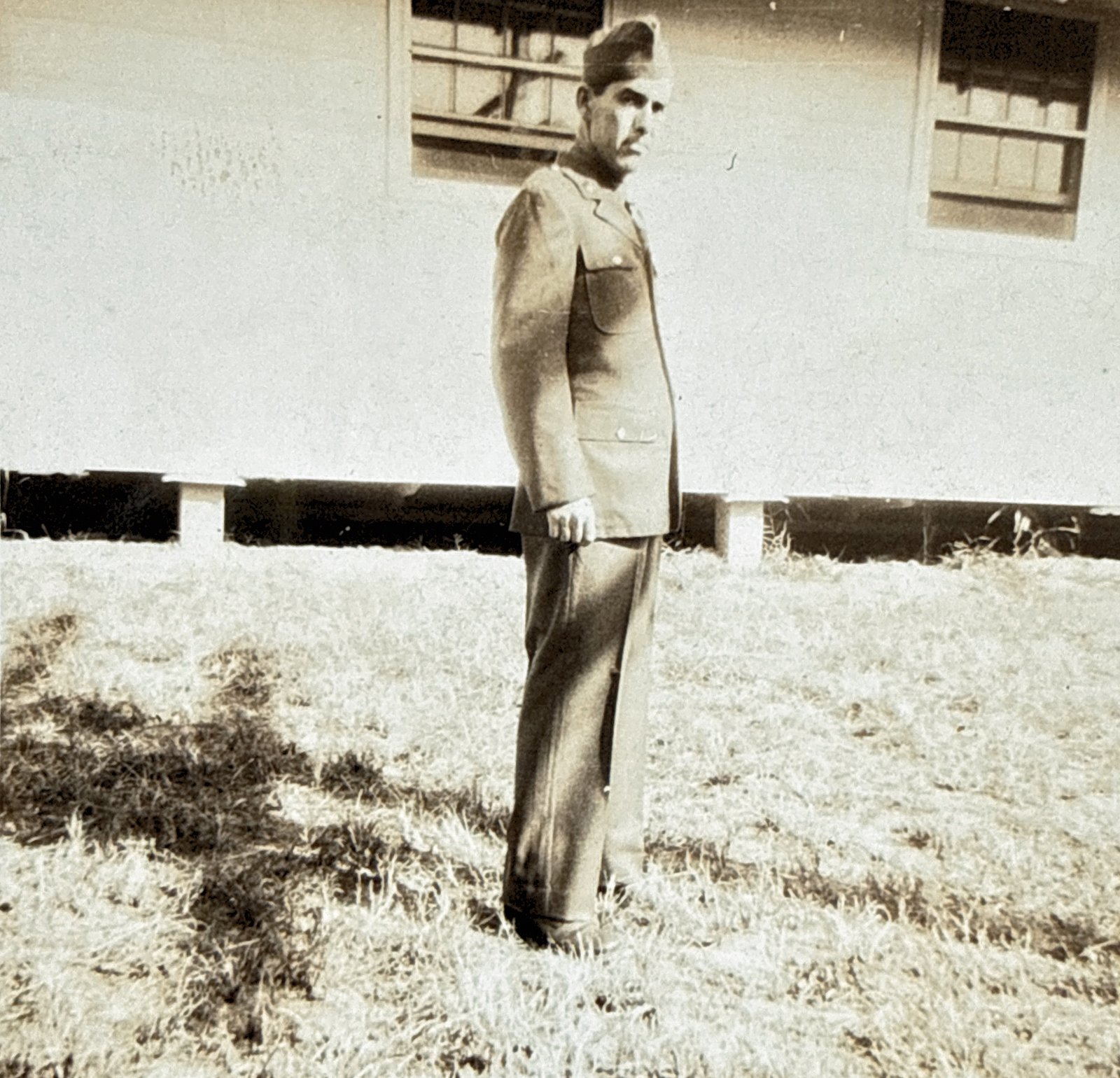
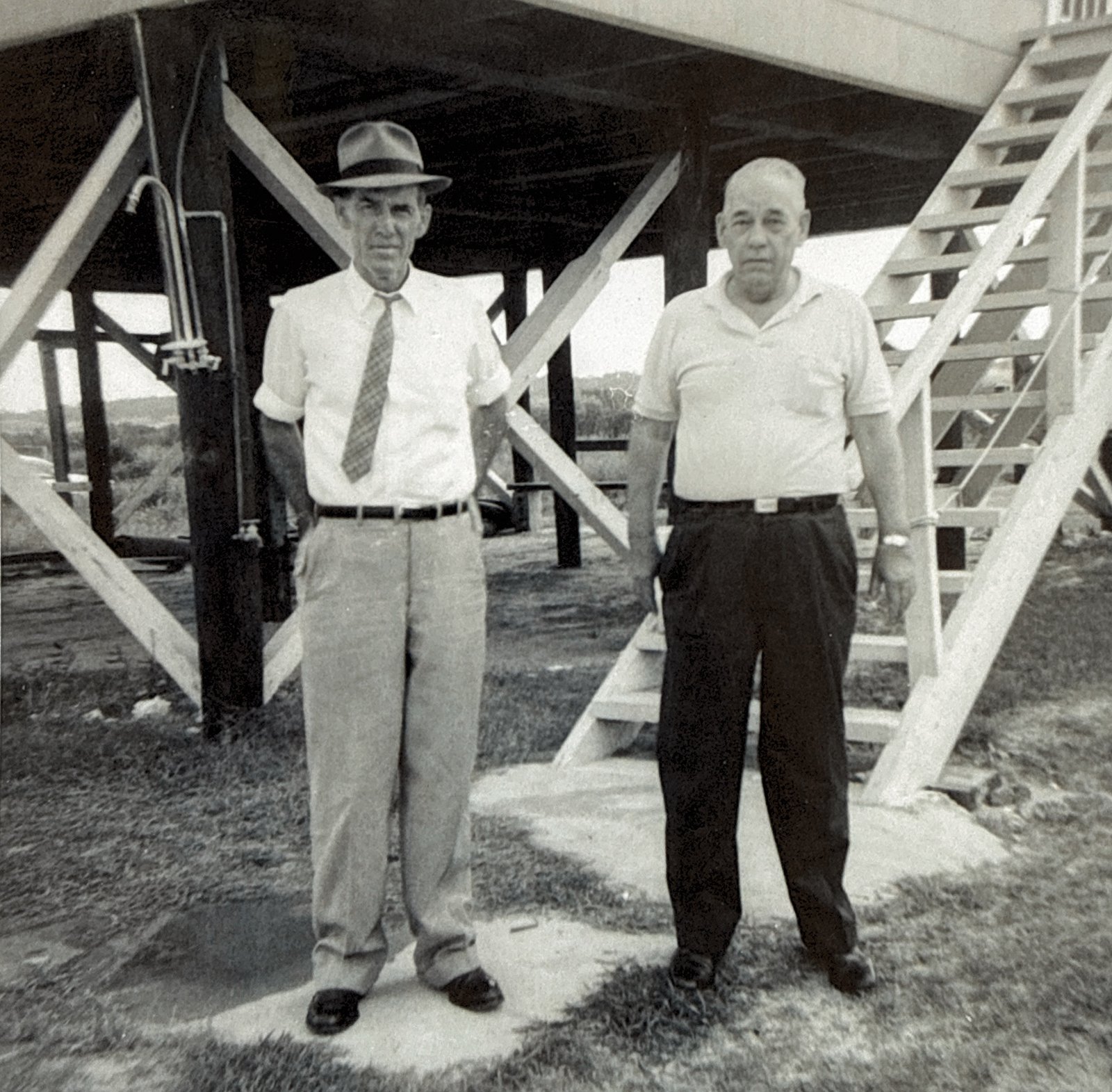
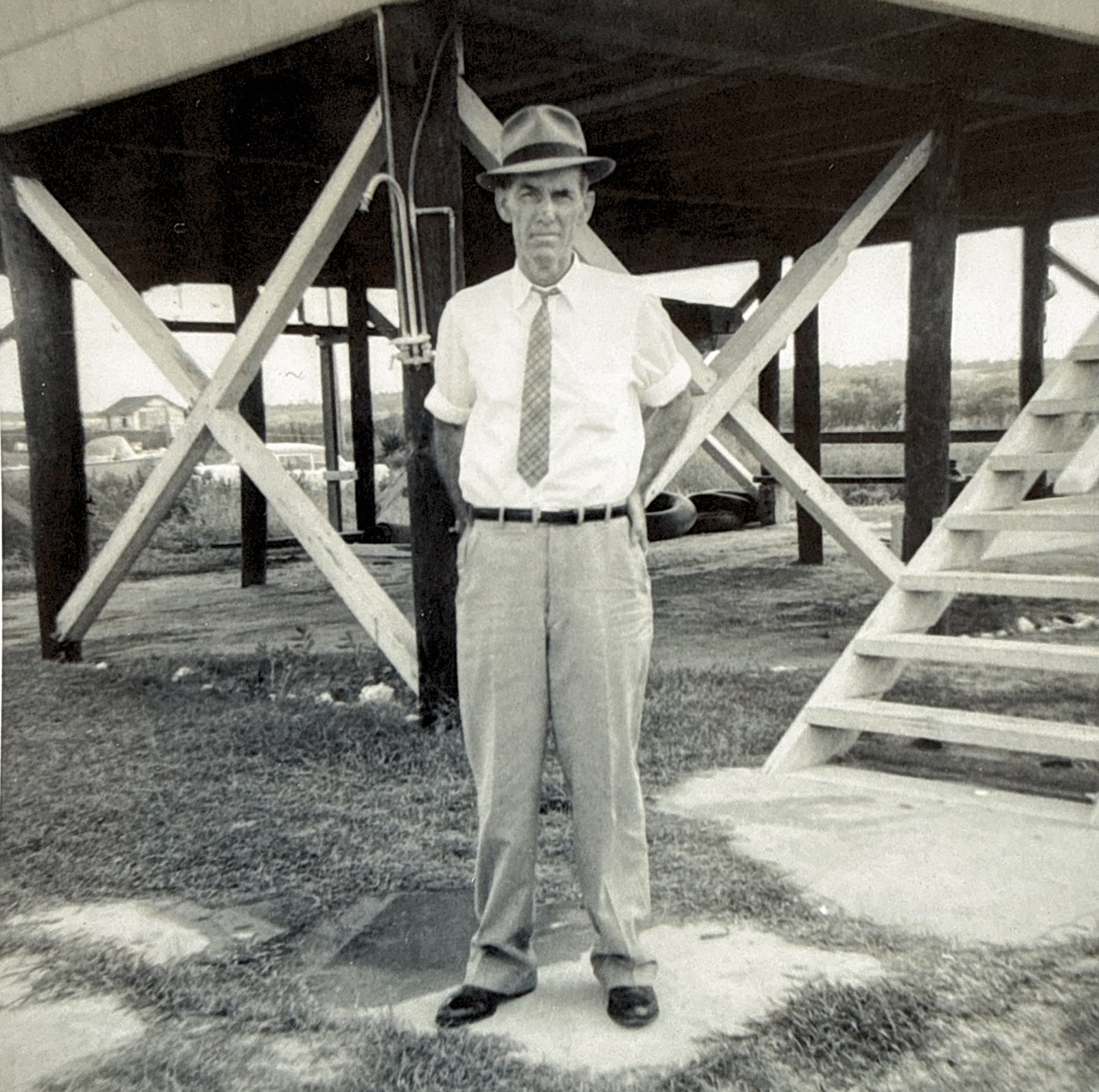
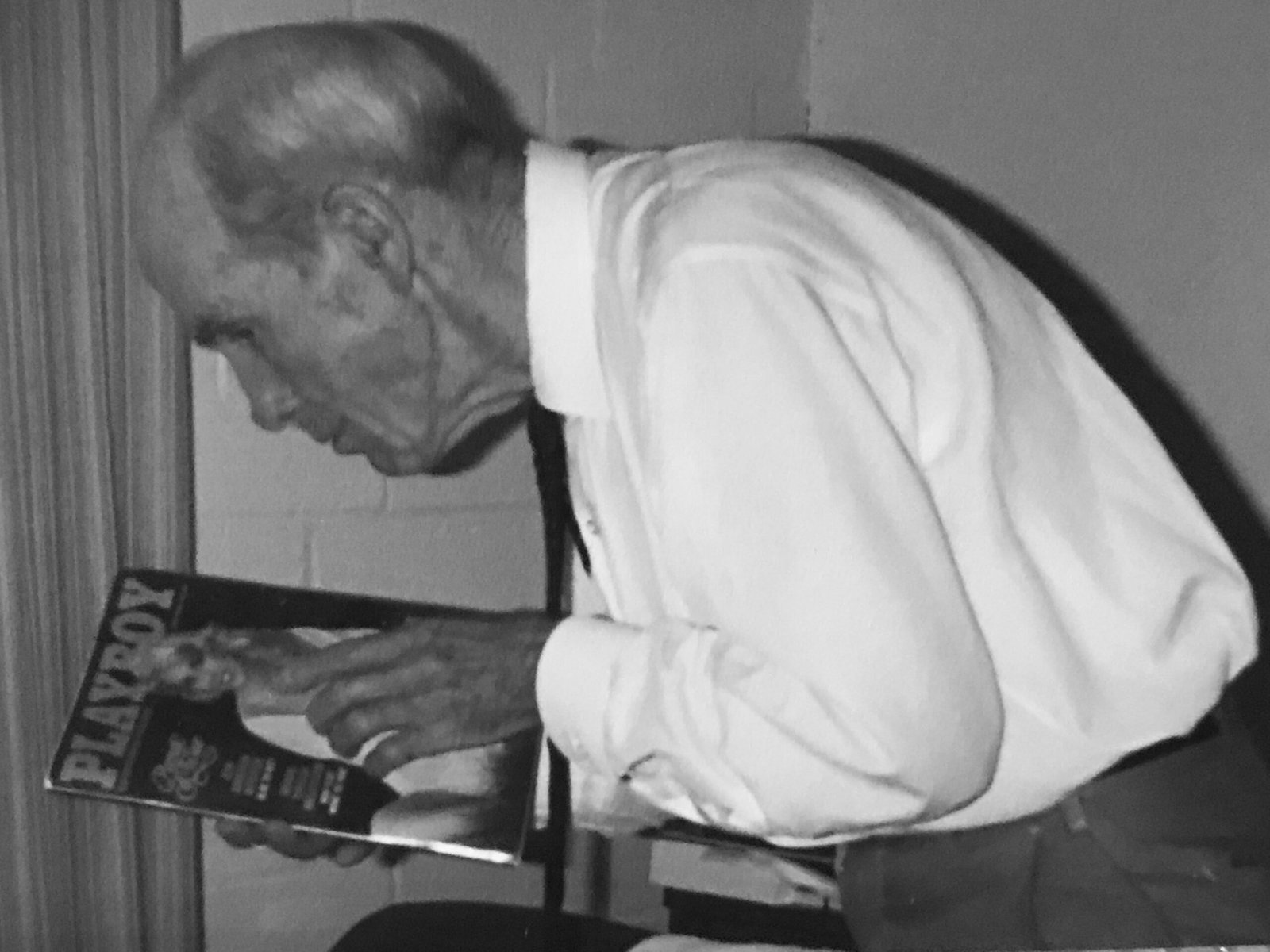
Aunt Bess Hastings Case was Pete’s aunt on his mother’s side. She was married to Charles Albright Case.
Miss Etta Lunsford - Caryetta Davis, known as Miss Etta
(First seen in chapter Lost in the Thicket)
Miss Etta Dave was a beloved teacher for the mountain children in Callaway, Virginia at the Phoebe Needles Mission School, an Episcopal mission in Southwestern Virginia.
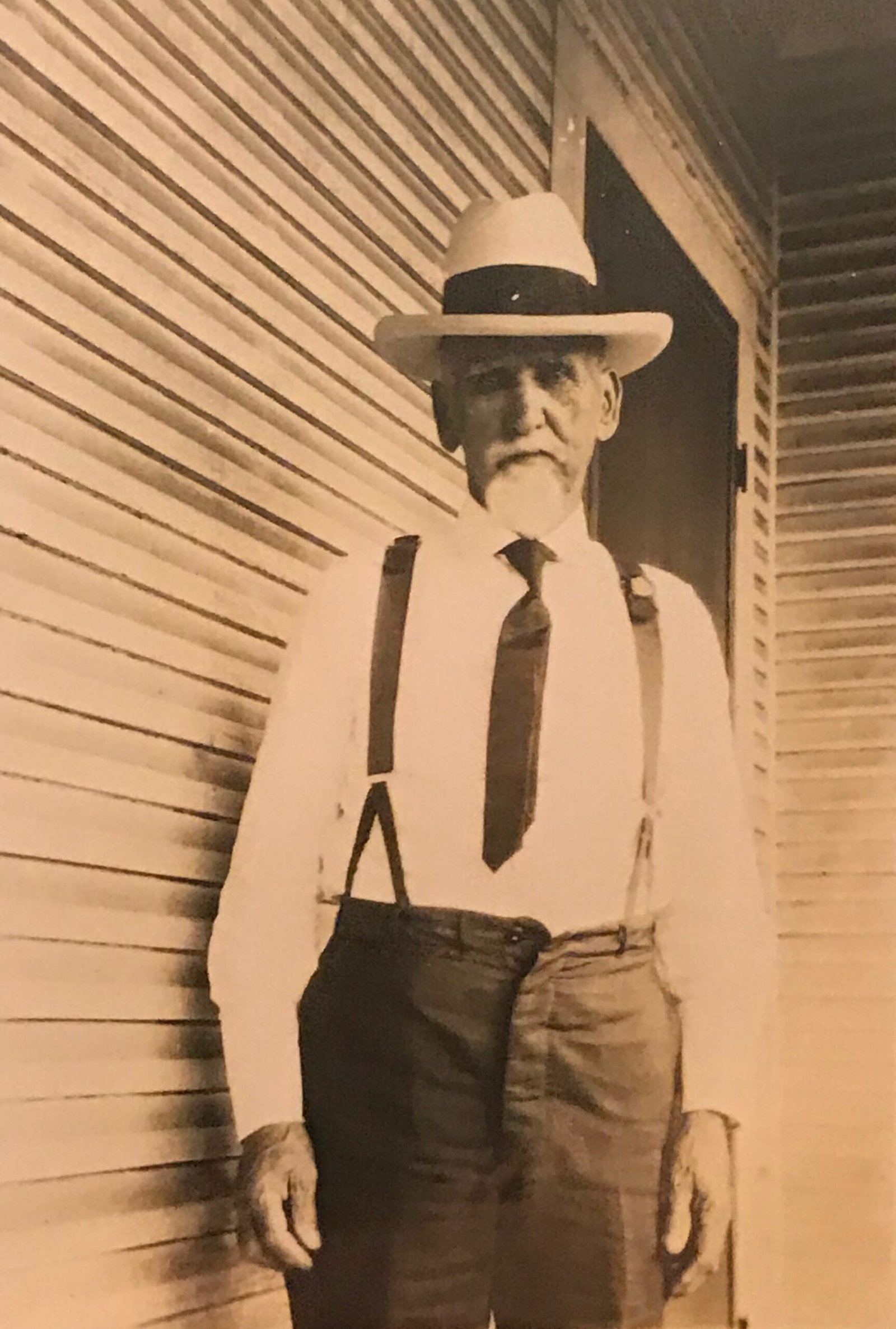
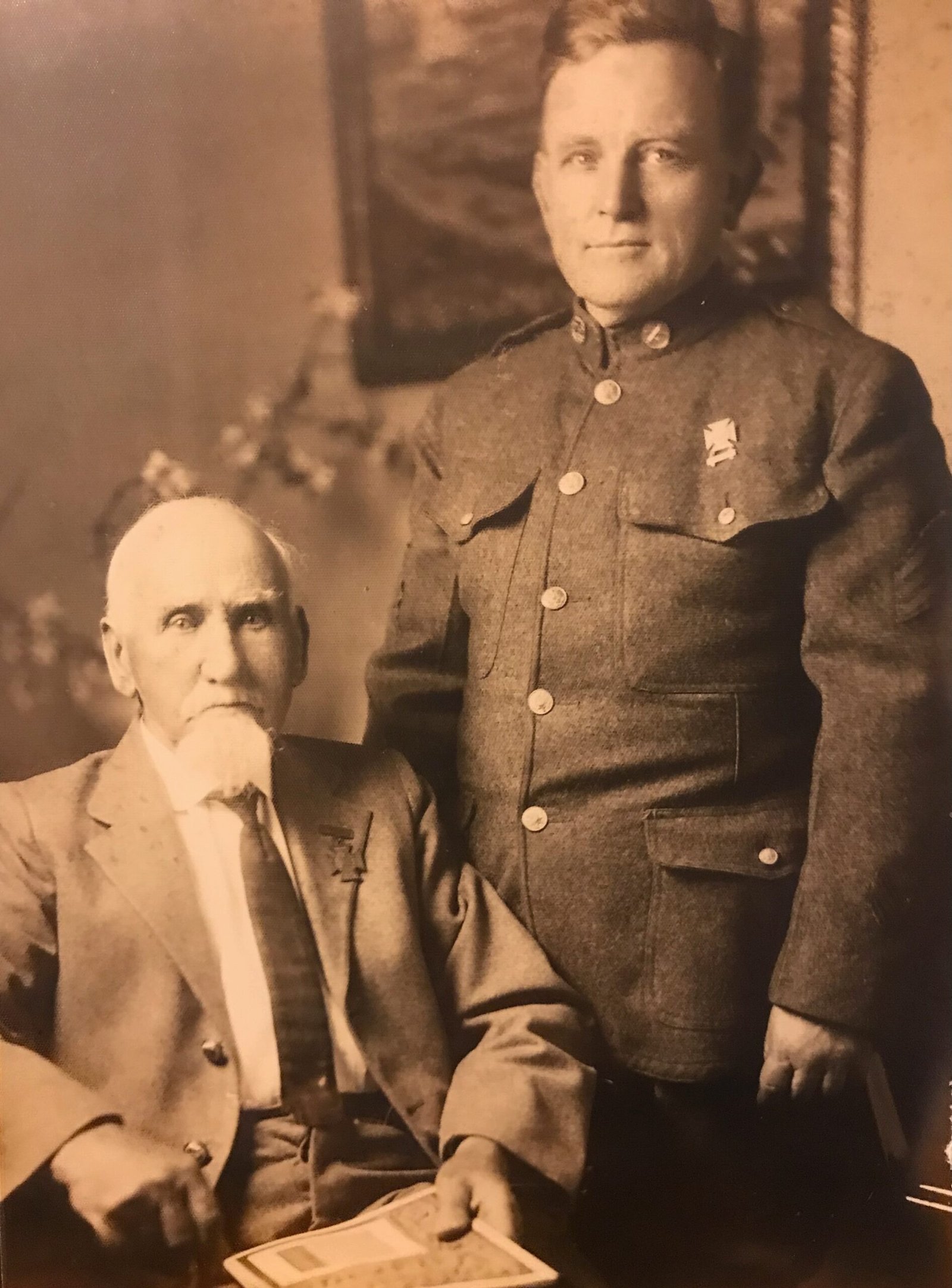
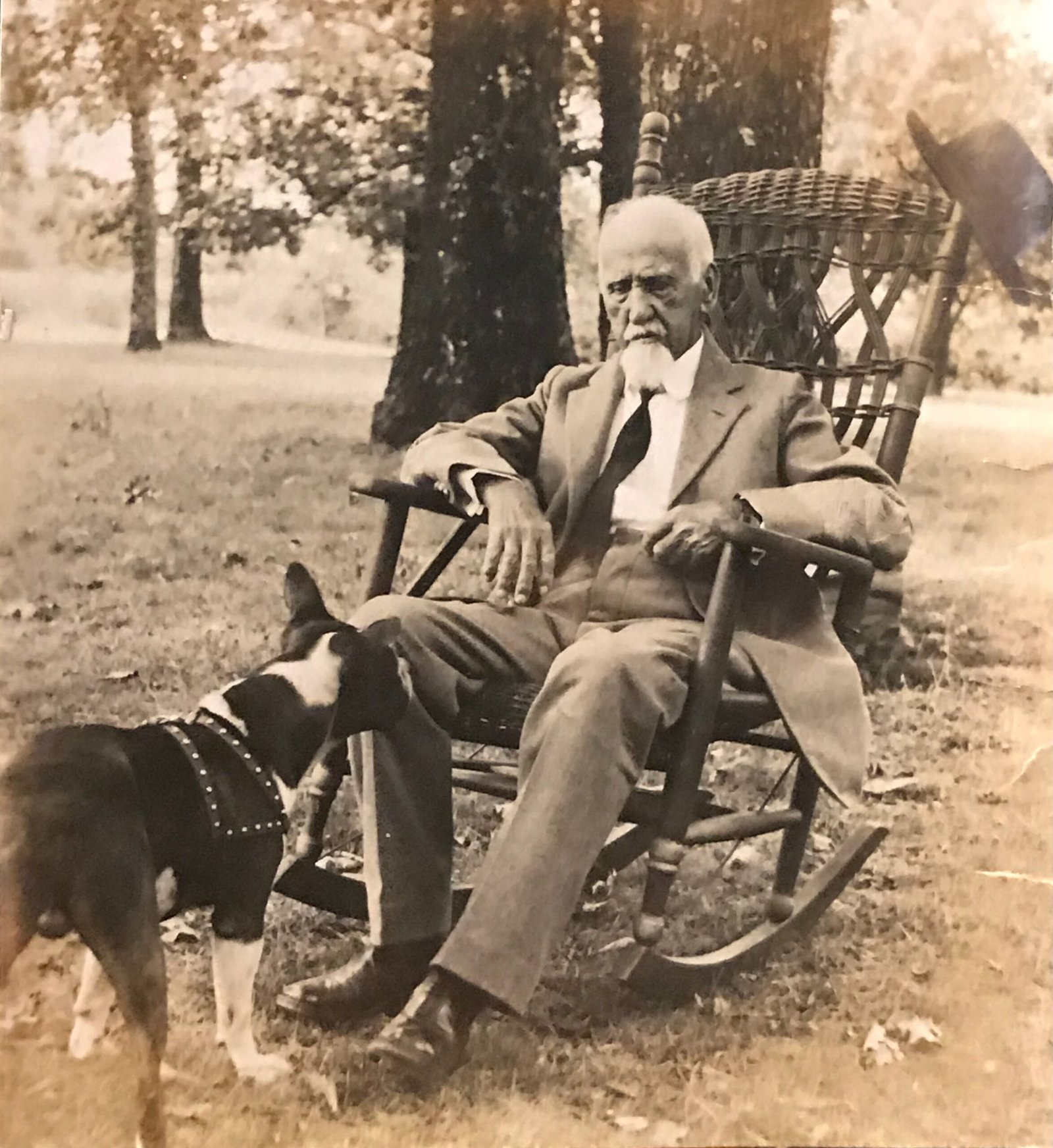
Rufus Shute - Grandpa Shute
Though Grandpa Shute was not actually a Grandpa to Pete, it was a name most associated with him in Pete’s life. He was the father of the wife of Pete’s Great Uncle John Crow. He was from Monroe, NC.
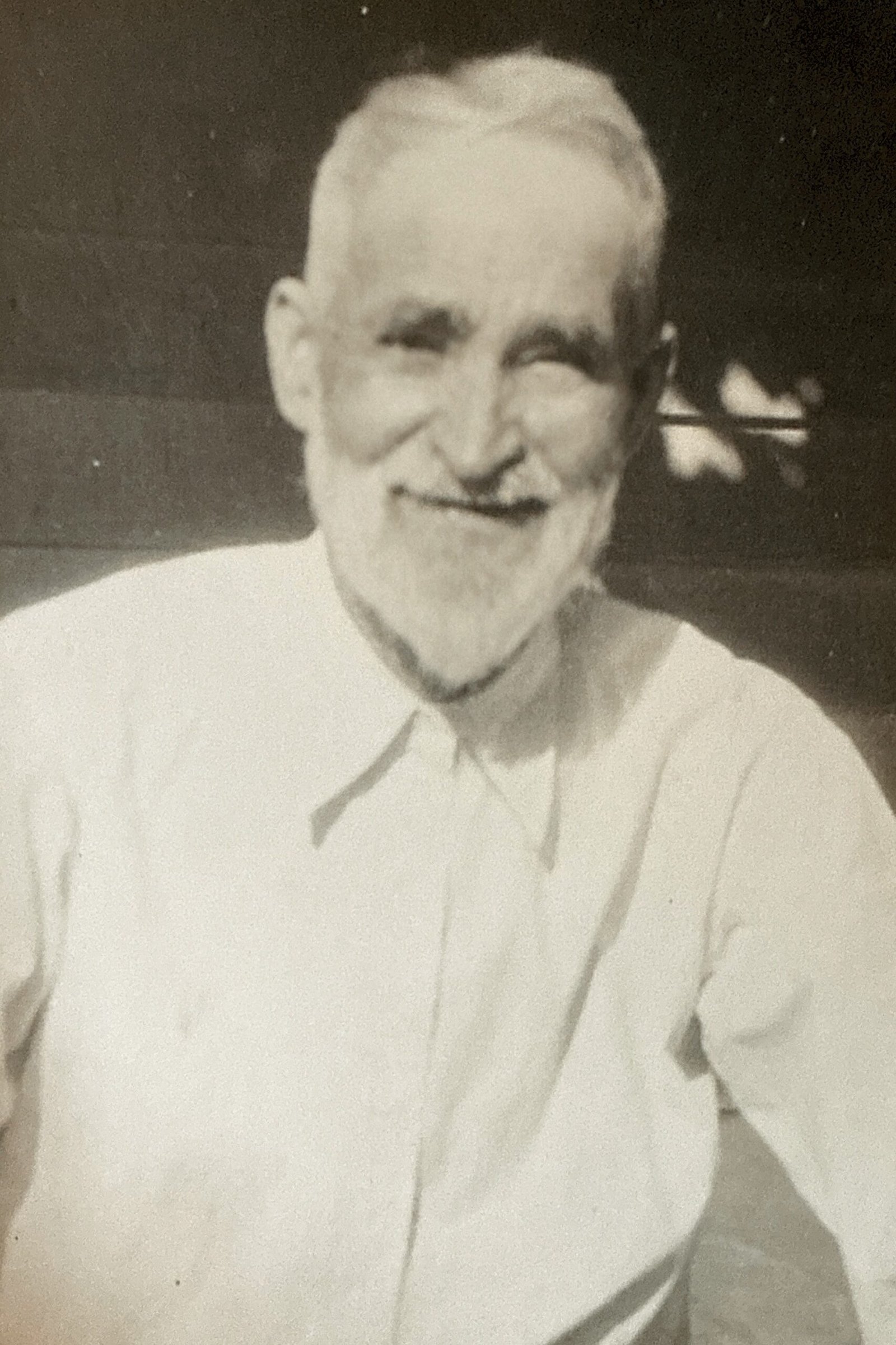
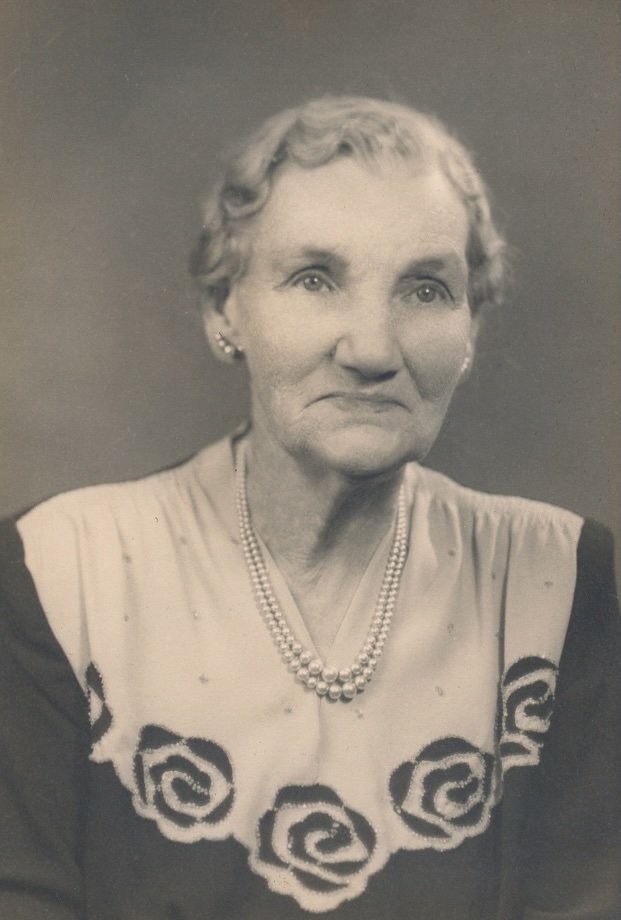
Rufuss Shute -Rufus Hastings
(First seen in chapter Uncle Charlie)
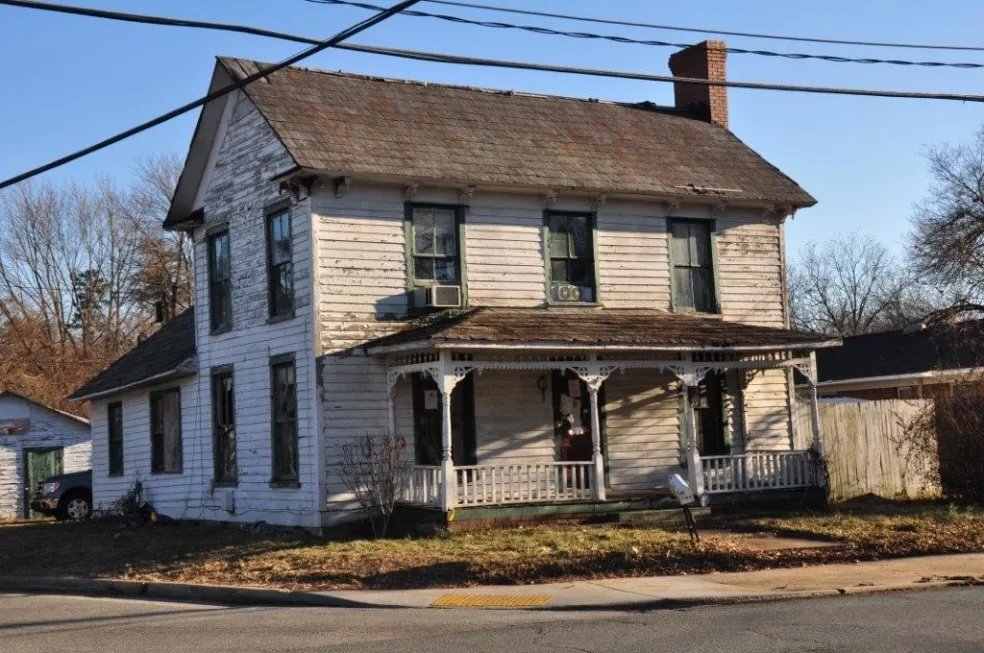
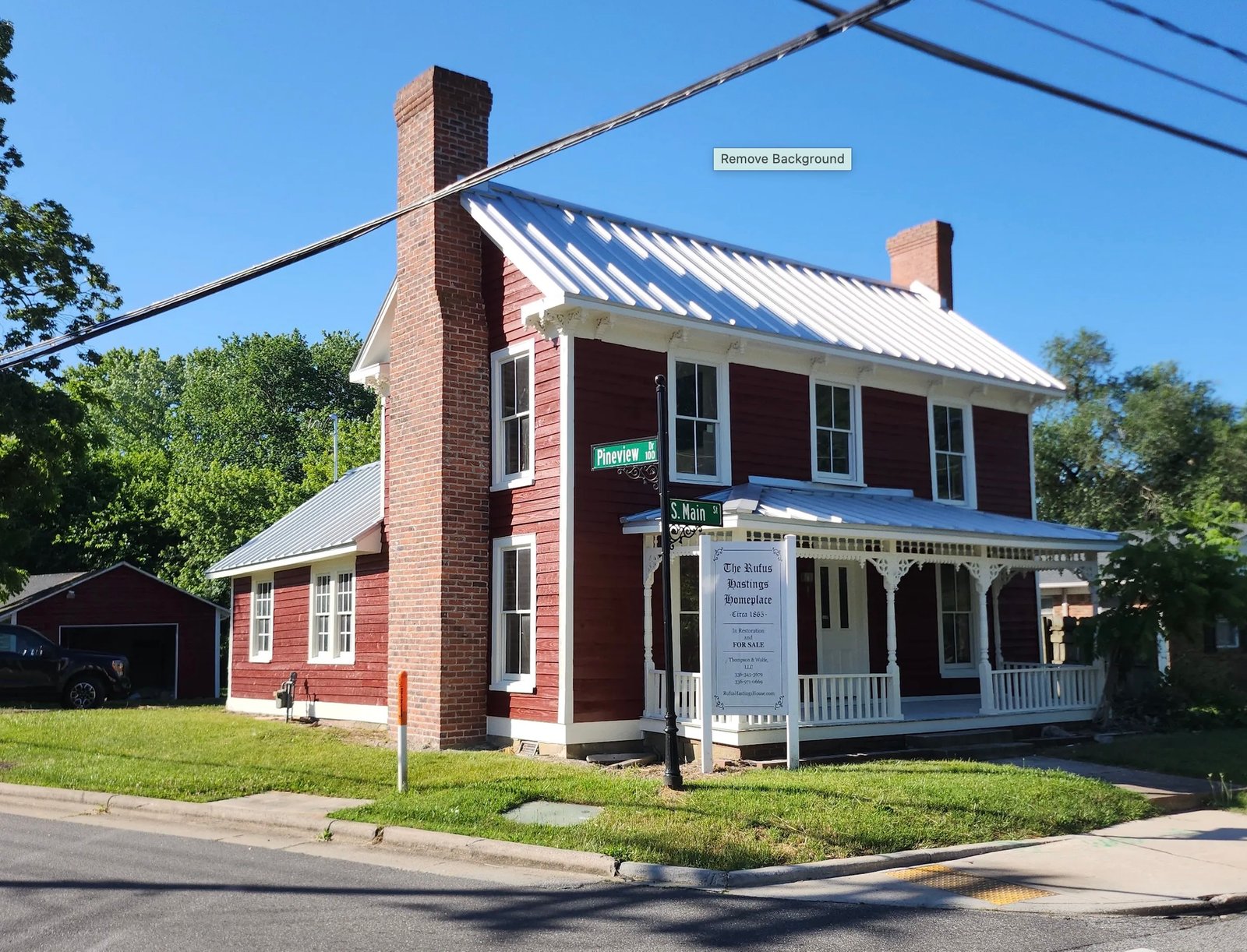
Rufus Hastings and his wife, Cammie McCuston Hastings, raised their eight children in Kernersville, NC. Their oldest children, Winston Bynum, was stricken with tuberculosis, and was confined to a separate room off their garage until his death in 1916.
Rufus and Cammie’s youngest child was Forrest Rose Hastings (Crow), Pete’s mother. Rufus died before Pete was born; Pete had very fond memories of Nanny from the four years he had with her before her death in 1947.
Their Kernersville home has recently been renovated and is part of Kernersville Historic District.
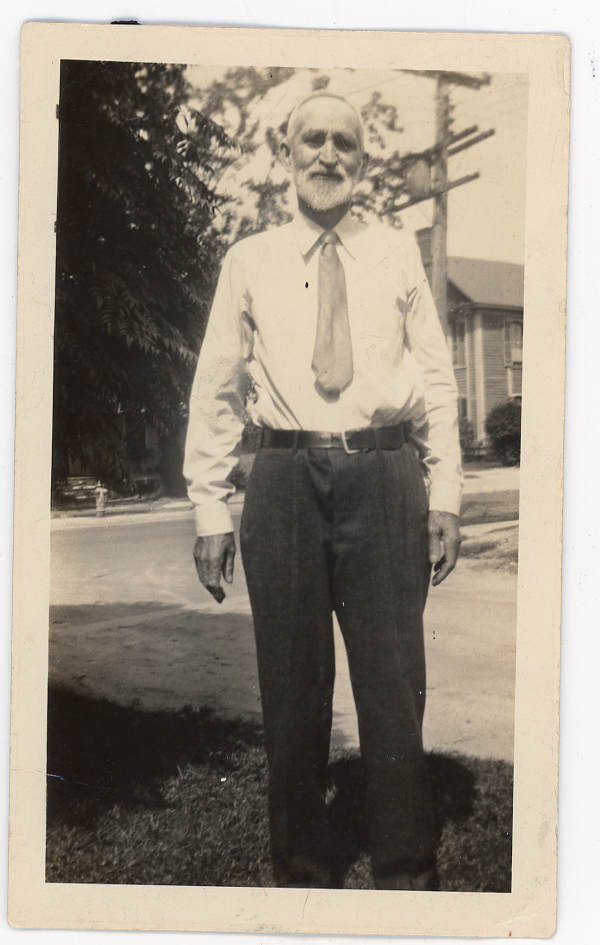
Alexander Martin Grady - Combination of Alexander Martin Booe and Alexander Martin Hanes (First seen in chapter Hoodwinked)
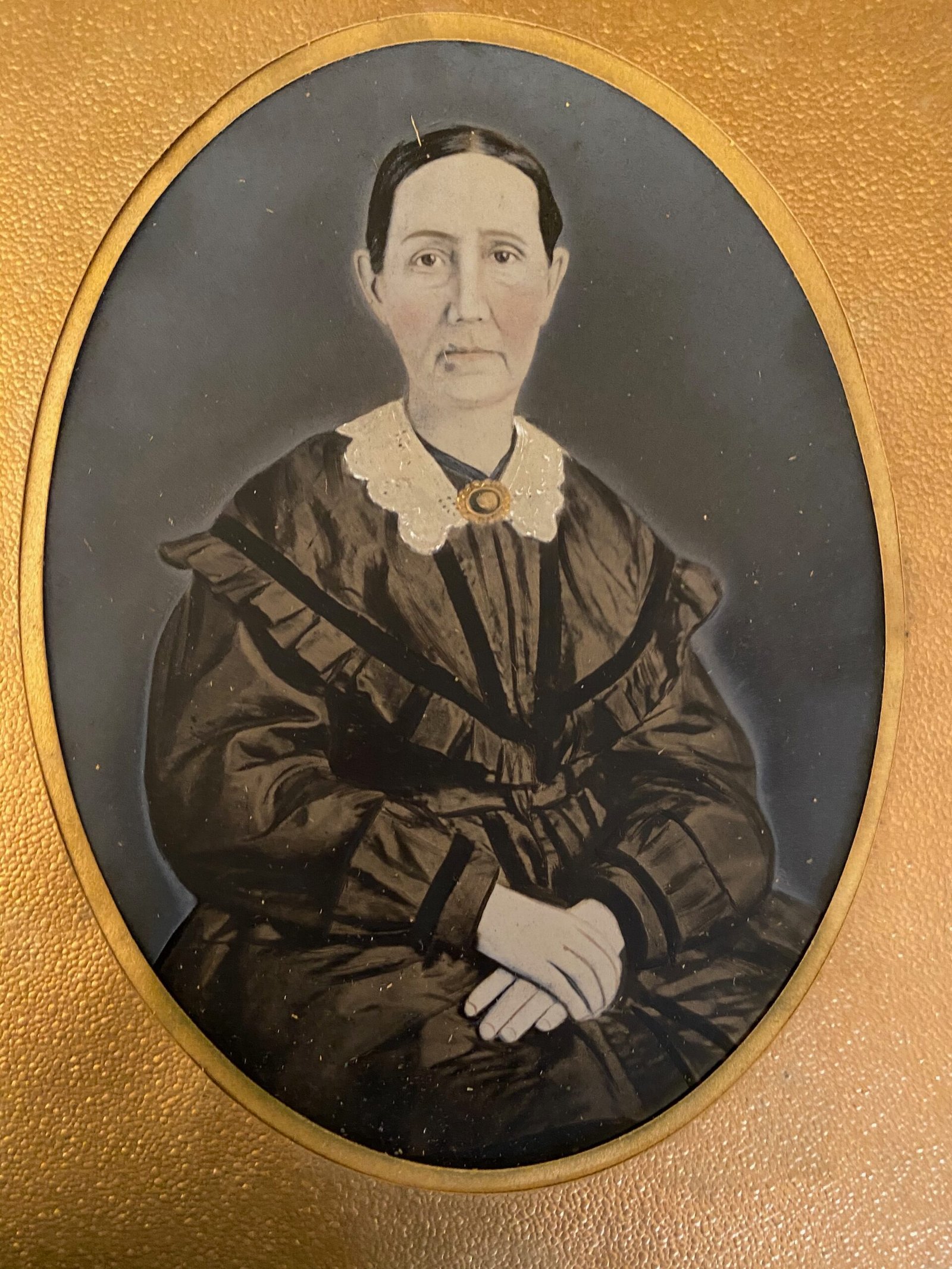
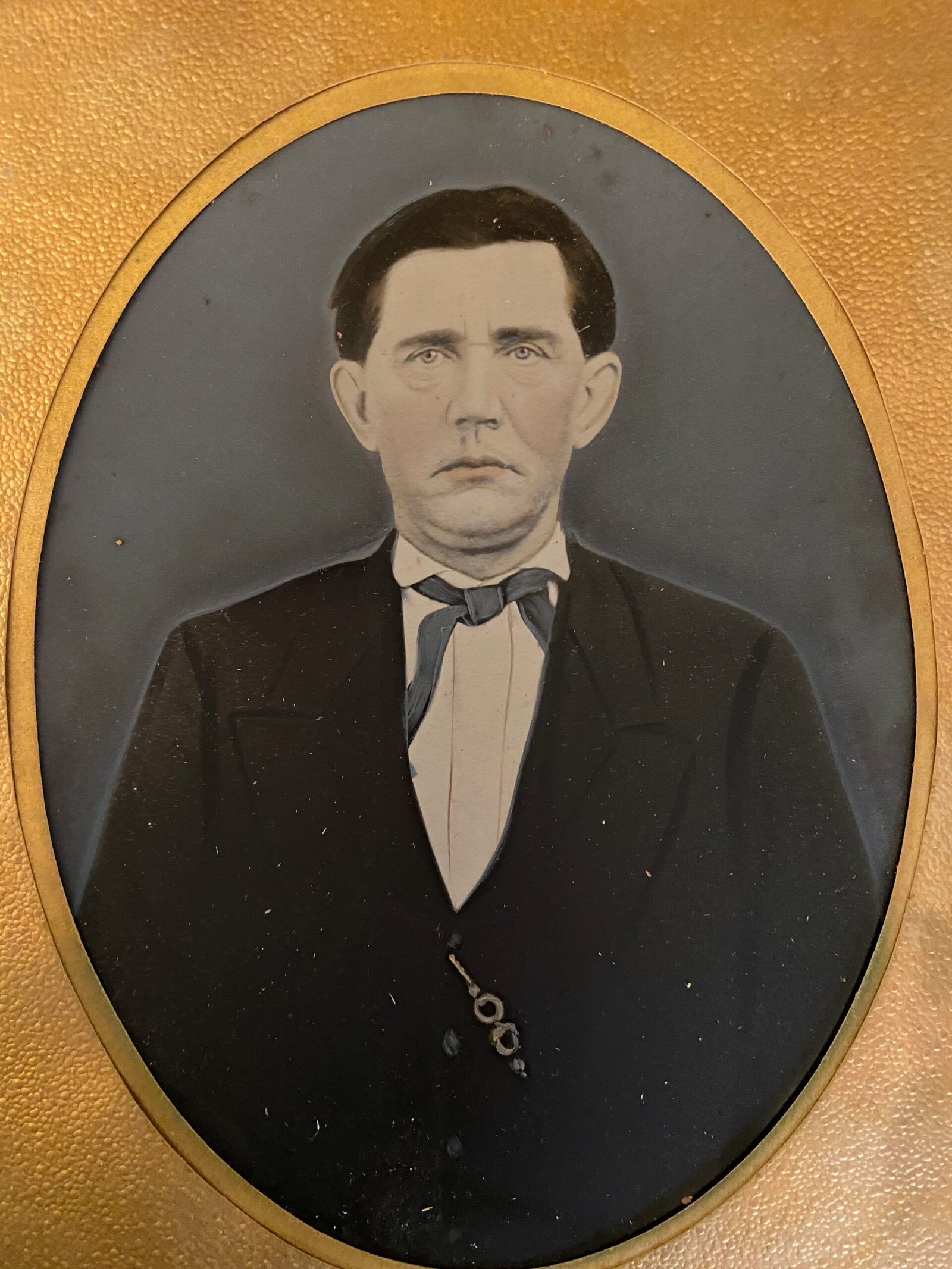
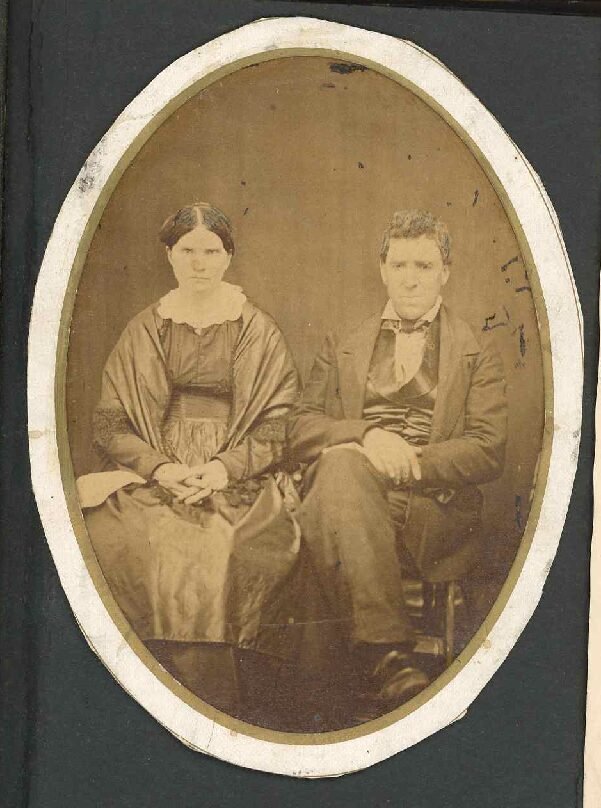
Read Pete's account of these two couples.
Pete wrote about his Great great Grandfather in his family ancestry book.
Alexander Martin Booe was also Pete’s Great, Great Grandfather from his Great Grandmother’s , Sallie A Clement, side of the family.
One of my great great grandfathers was Alexander Martin (A. M.) Booe, who became connected to the Hanes family when his daughter Sallie married Phillip Hanes, my great grandfather. Phillip inherited A. M.’s house and property called Oaklawn, located at the north end of Mocksville, NC, on US 158. There, Phillip and Sallie raised their family of eight children, including my grandmother Mary Alma Hanes. Before the Civil War, A. M. was sheriff of Davie County, North Carolina, just south of Winston-Salem. During the Civil War he became a colonel and regimental commander for the Confederate States of America. After the Civil War he became a US Marshall for the state of North Carolina. More importantly, he was involved in growing both cotton and tobacco, and he understood the end of slavery was going to cut deeply into his profits. Subsequently, he was instrumental in bringing railroads into the area enabling the growth of textile and tobacco industries founded and developed by Phillip and his brothers, most famously P. H. Hanes (Hanes Knitting Co.) and John Wesley Hanes (Hanes Hosiery Co.). Before the end of the Civil War, A. M. Booe owned enslaved people, one of whom was Melinda. Another called Sam was rented to another farmer from one Christmas to the next and apparently continued working for A. M. after he was freed. I know these things from documents stored by my grandmother Mary Alma in an unlabeled pasteboard box passed down through generations before ending up with me several decades ago. I opened the box a few months ago at my wife Beth’s urging to go through it or throw it away. The very first document I picked up convinced me to read through everything there. It was a letter to A. M. from a cousin traveling through South Carolina trying to sell Negroes to pay off debts, but unable to get what the cousin considered a fair price. Another document in the box, signed by Pleasant Henderson Hanes, certified my grandmother to be a “Daughter of the Confederacy.”
Alexander Martin Booe was the father of Sallie Clement Hanes, Pete’s great grandmother. He was born Jan. 4, 1821 and died on March 26, 1895 at the age of 74.
Alexander married Sarah A. Clement, who was born Aug. 9, 1823 and died at the age of 66 on June 13, 1889. They are both buried in Rose Cemetery in Mocksville, NC
Alexander Martin Hanes was Pete’s Great, Great Grandfather, the father of Phillip Hanes. Pete recently wrote about Alexander Martin and his wife, Jane March Hanes.
Alexander Martin Hanes and his wife Jane March were the parents of Phillip Hanes, Pete’s great grandfather. The 1850 Census shows Alexander was a farmer and was a slave owner with “292 female souls and 64 males.” Alexander and Jane had three sons killed in the Civil War, Two of their younger sons, Pleasant Henderson and John Wesley, found Hanes Knitting Company and Hanes Hosiery Company. Alexander and Jane had eleven children in all, with Phillip being next to the youngest. Letters and tributes to the three sons killed in the Civil War can be found in the next several pages. Alexander Martin and Jane Hanes are buried in Fulton United Methodist Cemetery in Advance, NC.
More can be learned about the Hanes family in Jo White Linn’s People Named Hanes, 1980.
Tobe is Dicussed in the chapter Hoodwinked . Pete wrote the following in a family ancestry book.
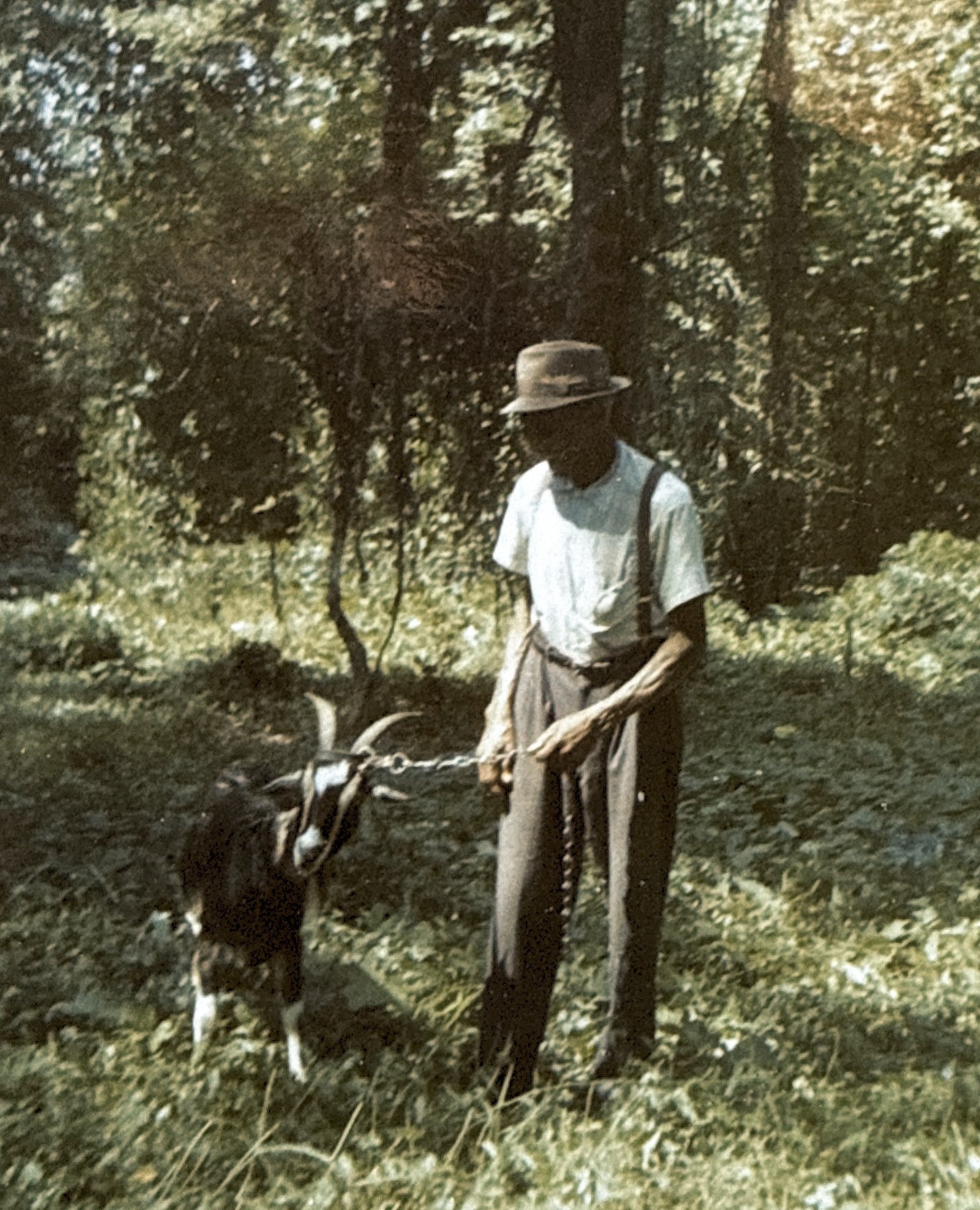
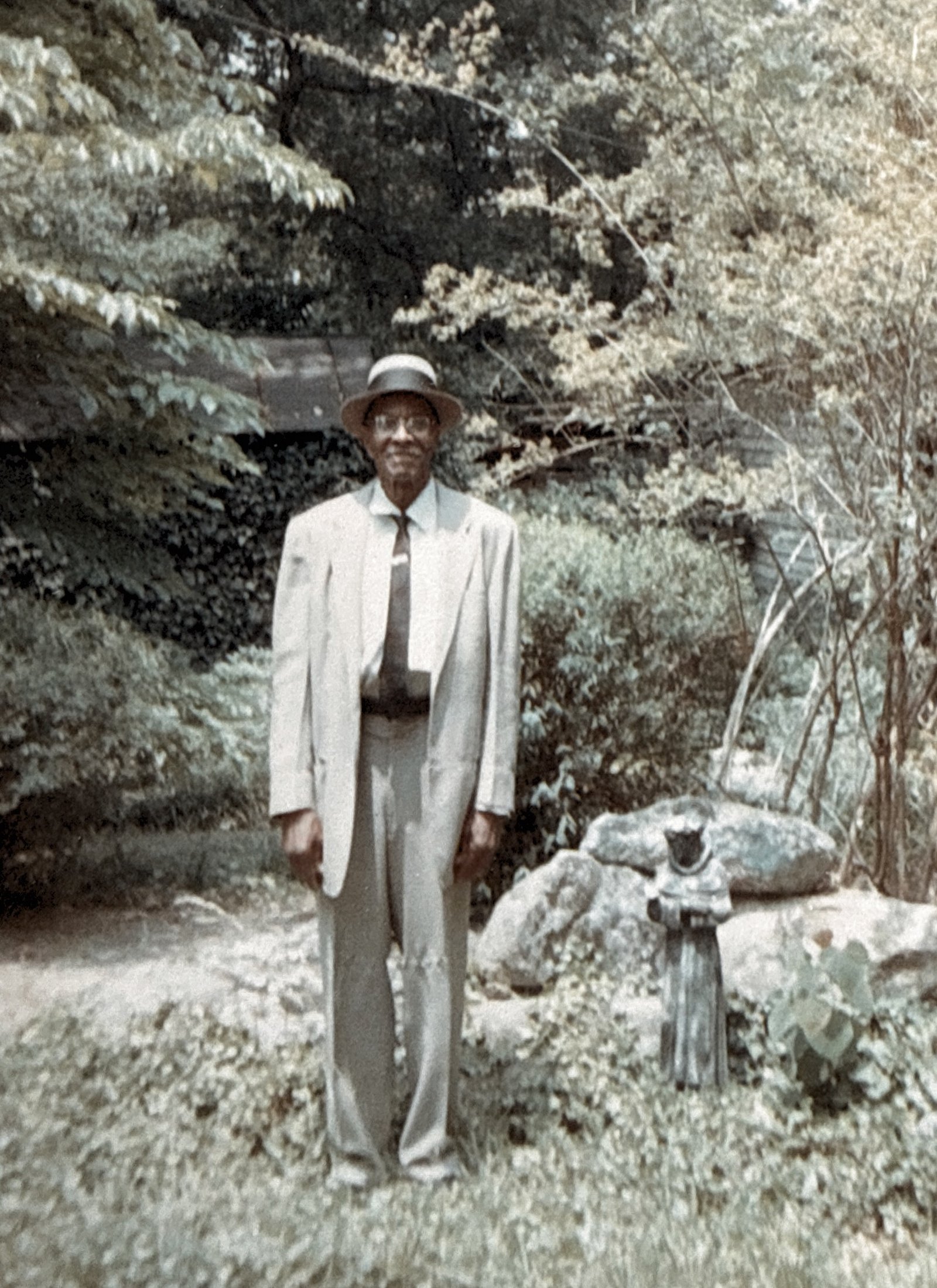
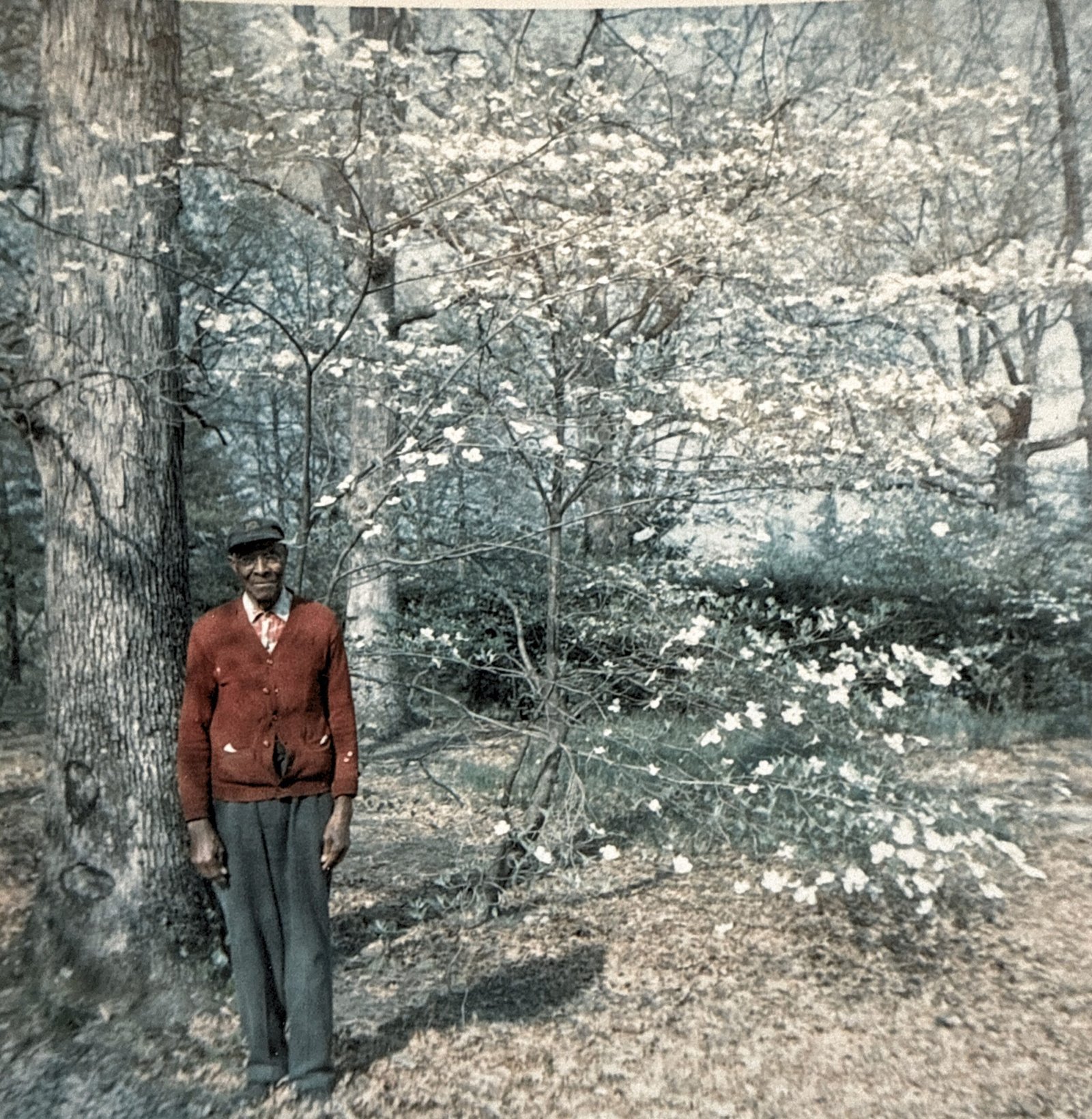
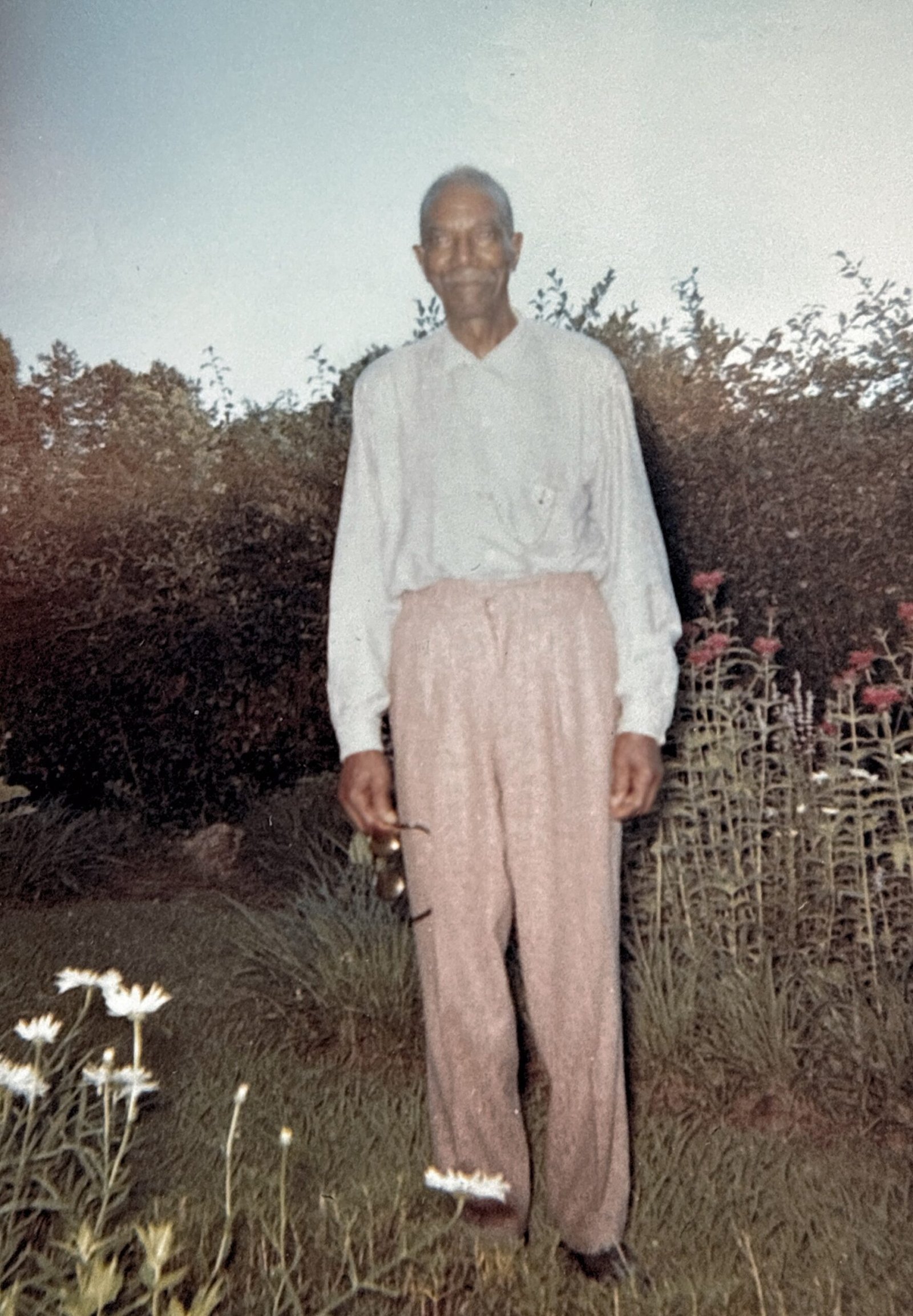
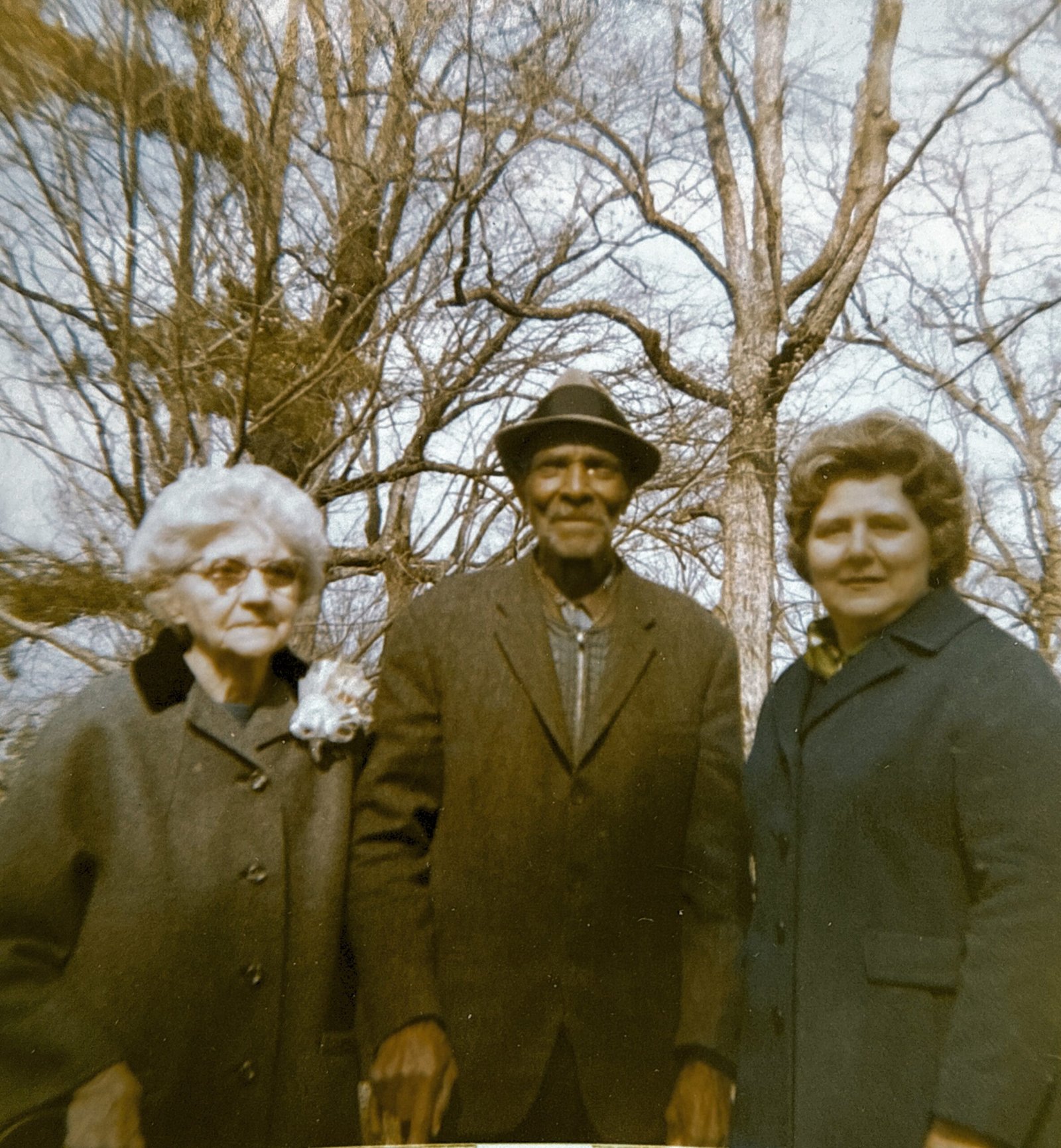
Read some of Pete's memories of Tobe.
Tobe and his wife, Maude, had lived in a cabin on the property of Pete’s Grandmother Mary Hanes Crow. Pete recently wrote a narrative about Tobe and Maude for a family ancestry book.
Tobe and Maude Barker were an African-American couple who lived in an unpainted log cabin behind but on the grounds of Oakland, near the Mocksville water tower. Tobe was retired from working for the railway and tended the grounds at Oakland. Maude did cleaning and washing for Grandmother and Nannie but, as far as I know, not cooking. Tobe tried to teach me how to hunt squirrels, going mostly on sound as he was becoming increasingly blind by the late 60s. They had children and grandchildren, sources of both pride and worry. Tobe told Eddie and me that if we dug around under some of the big trees we would find gold buried there by our great grandfather during the Civil War. I remember once he told my mother he could remove a wart she was complaining about. He stuck the wart with a pin and drew some blood which he put on a rock. Then he disappeared saying he had to bury the rock in a hidden place. My mom said in two weeks there was no sign of the wart.
Another time I remember my dad and I listening in on a conference between grandmother and Tobe. Grandmother was asking Tobe what she should do about the kudzu taking over the trees behind and at the perimeter of her property. Tobe said, Mammie, get you a goat. My dad said, Tobe, look at all that kudzu. Hows one goat going to do anything about that? Grandmother said, Ed, I have known Tobe for eighty years. Get me a goat. It was a year or so before I returned to Oakland. I saw a little goat at the edge of the woods near a bucket of corn meal Tobe would move from place to place. What I didn’t see was much kudzu anywhere Recently I have been reading the papers of my great, great grandfather Alexander Martin (A. M.) Booe who acquired the land that would become Oakland. Before the Civil War he was Davie County sheriff and apparently a man of relatively modest means, though wealthy enough to own a few enslaved persons, two of whom were named Sam and Melinda. On at least one occasion, he rented Sam out for a year.
After the war he became a cotton and tobacco entrepreneur and had the foresight to see how bringing railroads into the area would enhance his marketing potential. His investments would be part of what would lead to three industrial giants in the regionR. J. Reynolds Tobacco Co., Hanes Knitting Co., and Hanes Hosiery Co. Thinking of Tobe and Maude after reading these documents reminds me of how limited opportunities were for black people after the Civil War, even as the industrial revolution was bringing enormous economic opportunities to my white family. Sometimes I wonder if Tobe or Maude were related to Sam or Melinda. It seems clear they were, in social history if not in blood.
Peter Glenn Crow, 2021
Pete and Samuel: Pete met Samuel In the summer of 2004 during a youth exchange program in Kenya.
He wrote a short story about Samuel during his time in Kenya!
Samuel's Story
Samuel’s Story:
Characters: Me, a 62-year-old college professor from the USA visiting Kenya.
Samuel, a 3-4 year-old boy from a Nairobi slum.
There is very little dialog because the two do not speak each other’s language, and Samuel is very young and shy.
I am helping a group of middle class American and Kenyan teenagers organize a game in an orphanage compound for children from the surrounding Nairobi slum. The game involves kids stretching a parachute out and bouncing colorful plastic balls high into the air. I notice that one little boy is trying to grab an edge of the parachute, but he is too short. So I toss him one of the balls. I see the name “Samuel” on the nametag someone has stuck on his T-shirt. The little boy catches the ball, and his face lights up. He tosses it back. And, about three feet from each other and about three feet from the boisterous game everybody else is playing, we continue quietly to play our own little game of catch.
Me: Jambo, Samuel!
Samuel:
Me: Nice catch!
Samuel:
As the kids start getting tired of the parachute game, O’Ryan moves them to another space and has them sit in a large circle. When I sit down, I notice that Samuel is sitting next to me. O’Ryan announces that we are going to play an African version of “Duck, Duck, Goose.” He calls it “Tigga, Tigga, Simba” (Giraffe, Giraffe, Lion). Soon a little girl is running around the circle touching people on the head and saying “Tigga.” Finally when she gets to a little boy with a red baseball cap on, she says, “Simba.” Then the red-cap boy chases her around the circle, but she gets back to her place before he can catch her. I notice that Samuel is now sitting in my lap. So now the red-cap boy is “it,” and he plays the game with great relish. In fact, in subsequent rounds, he often runs around the circle even when he is not “it.” Finally, I hear “Simba” when someone taps my head, and I scramble up, setting Samuel down in the same motion, and begin to run. Then, from the corner of my eye, I catch a disappointed look on Samuel’s face, snatch him up, and toss him over my head onto my shoulders and begin to run. But we are a long way behind now. And I am older than I used to be, older by a long shot than I was even the day before.
Me: I guess we are a team, huh, Samuel?
Samuel (clutching my hair):
As the day comes to a close, I walk with Samuel to the gate of the compound, where a great gaggle of people are waiting for their children. Samuel disappears into the crowd and I wonder if his mother is there. Then I see him walking away with a woman and perhaps his brother, a boy who appears to be maybe 5 or 6. I wonder where he will sleep tonight, what he will eat tomorrow, how long he will survive in a place where garbage blows everywhere, where the dirt streets are the sewers, where there is no clean water and very little to eat. Tomorrow I go to Amboselli National Park to see elephants, wildebeests, hippopotamuses, lions, gazelles, Maasai warriers, and a myriad of sights from Samuel’s country that he will never see. Then I head back to the USA.
Me: Well, I’m gone now Samuel. It was a pretty short-lived team we had there.
Samuel: Don’t be too hard on yourself
Me: Oh, I’ll be all right. But I feel like I have let you down.
Samuel: Mama doesn’t have time to play with me, and my papa doesn’t come around much. We had a good day together, you and I. Sante sana. And I saved half my lunch for my brother.
Me: I don’t know what to say, Samuel. I will never be the same again.
Samuel: Who knows. Maybe that’s why God gave you me for a day.
Individuals mentioned in the chapter, Eros and Ubuntu
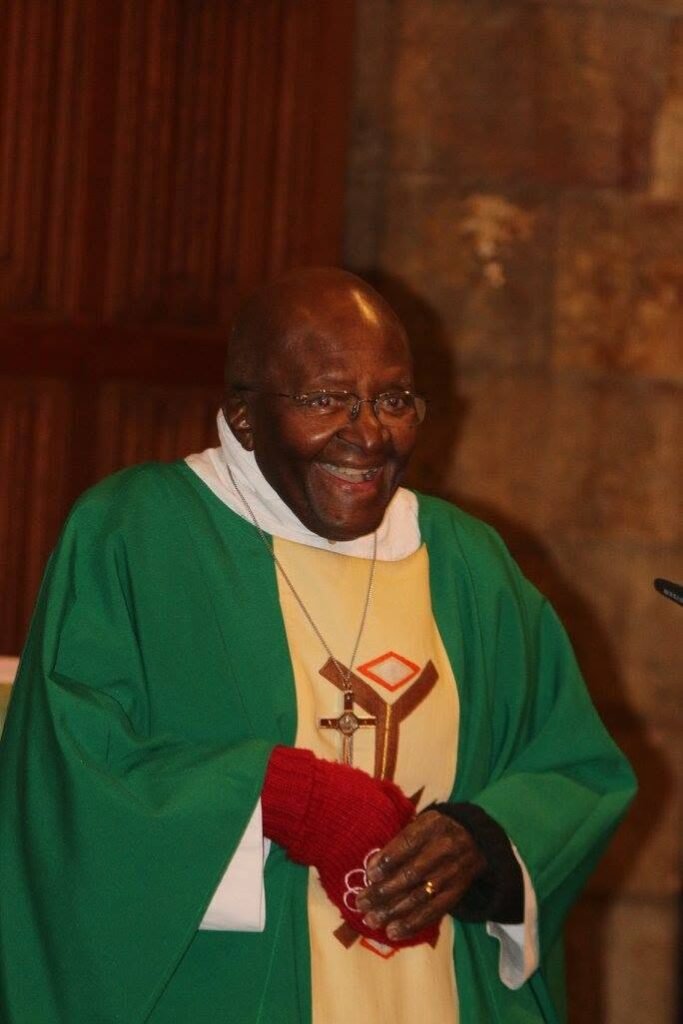
Archbishop Desmond Tutu
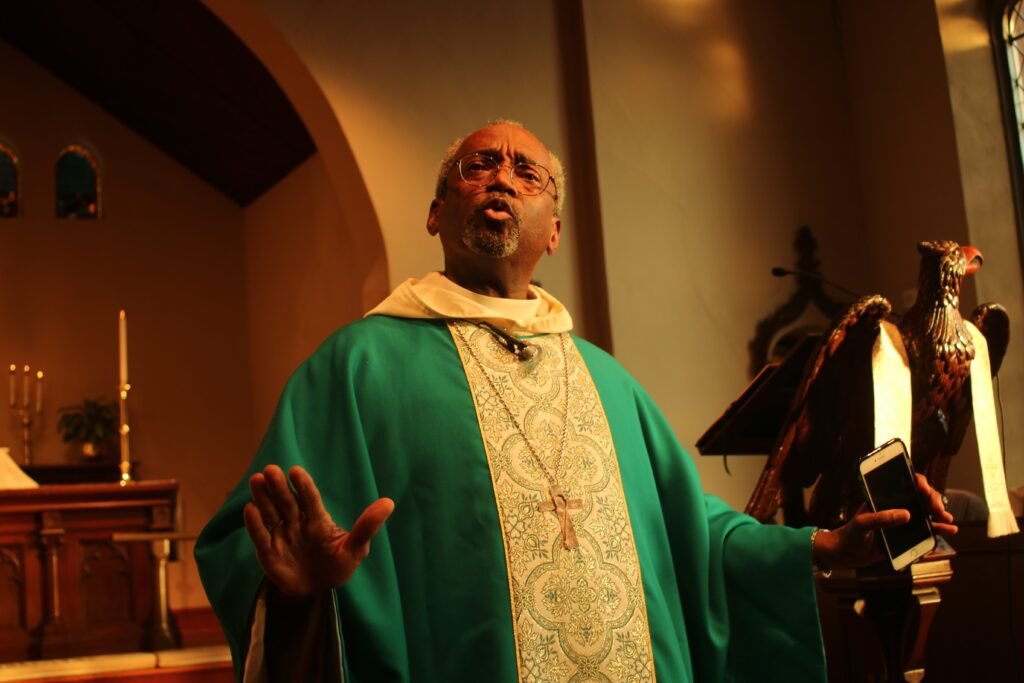
The Most Reverend Michael B. Curry
Former Presiding Bishop of the United States
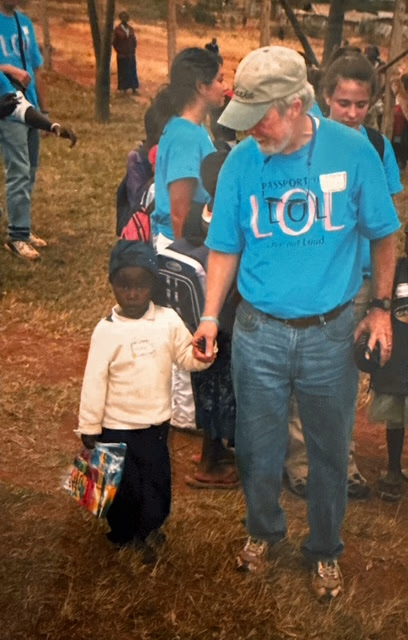
Samuel and Pete in Kenya
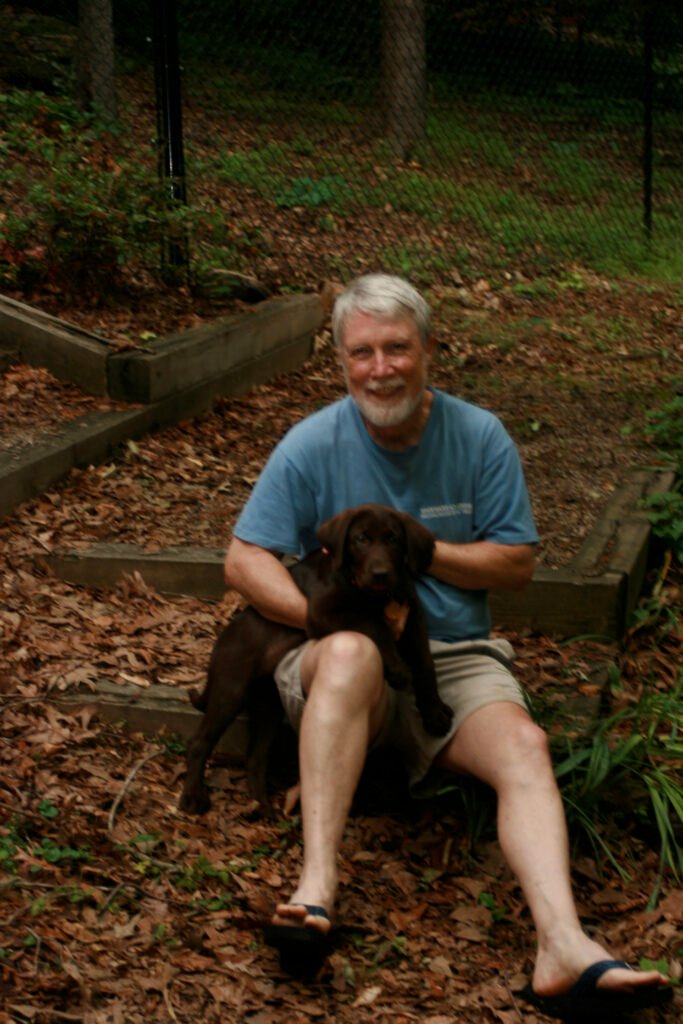
Maggie and Pete
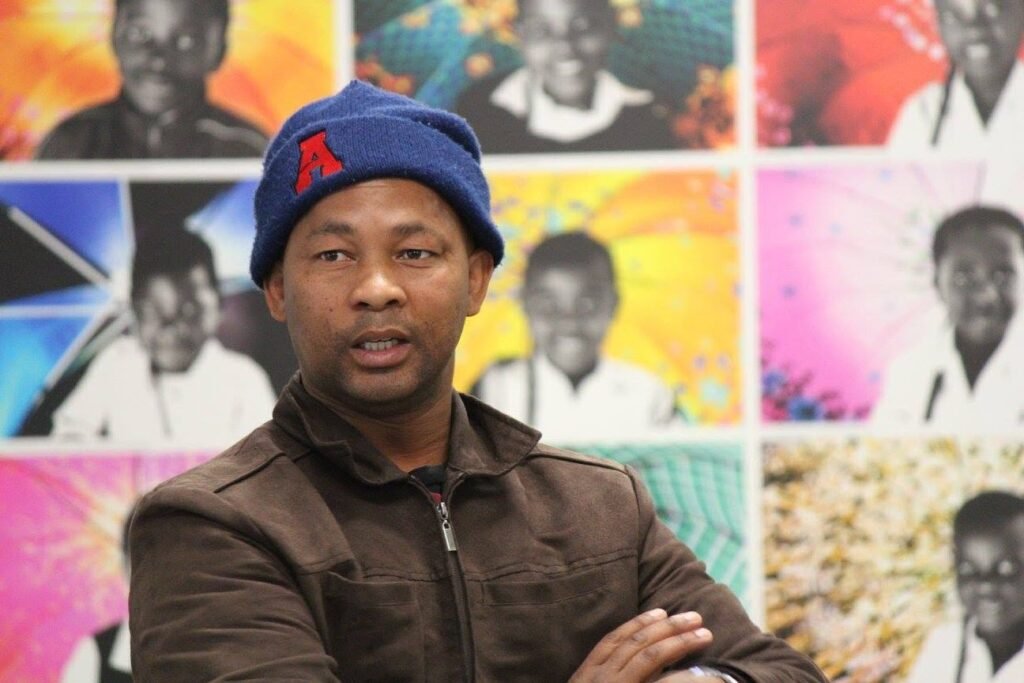
Easy Nofemela
Cape Town, SA

Lee Ann and Bertram du Plooy
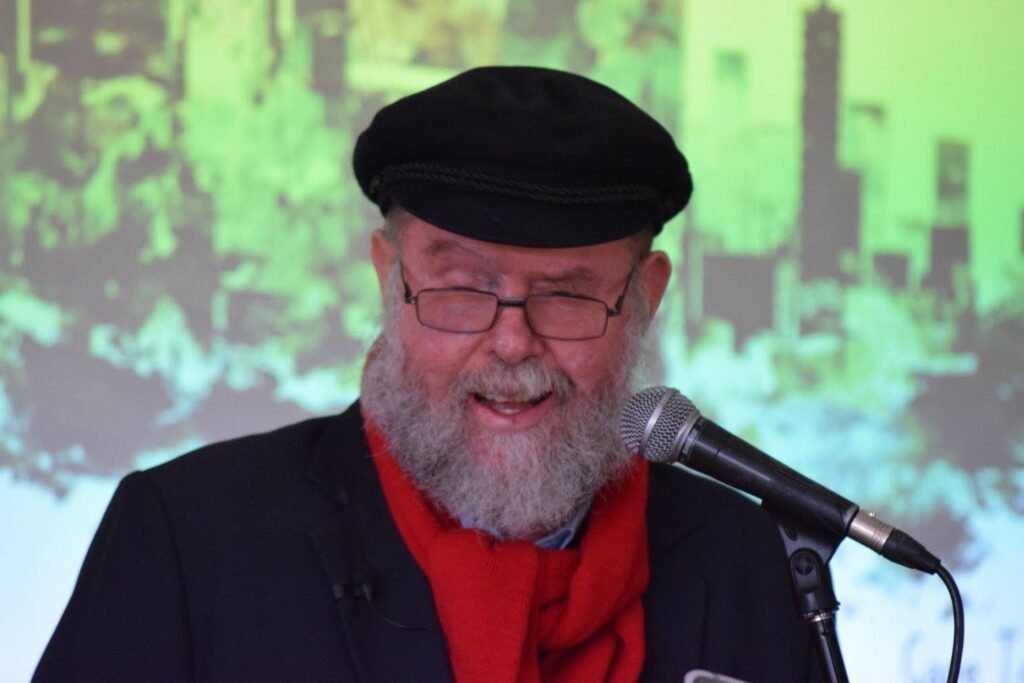
Father Michael Lapsley
Cape Town, SA
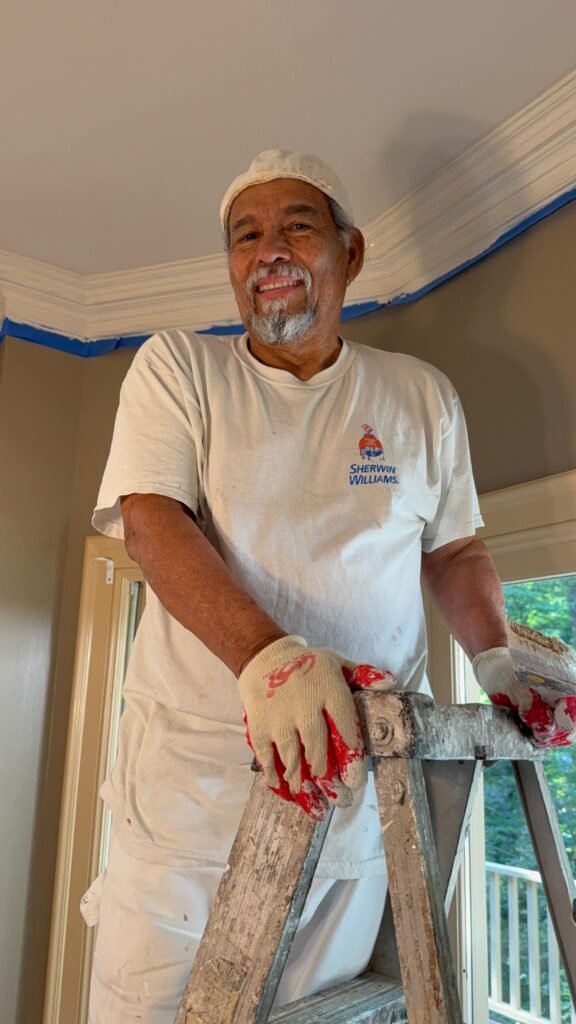
Jose Hernandez
Lorem ipsum dolor sit amet, consectetur adipiscing elit. Ut elit tellus, luctus nec ullamcorper mattis, pulvinar dapibus leo.