
About Peter "Pete" Crow
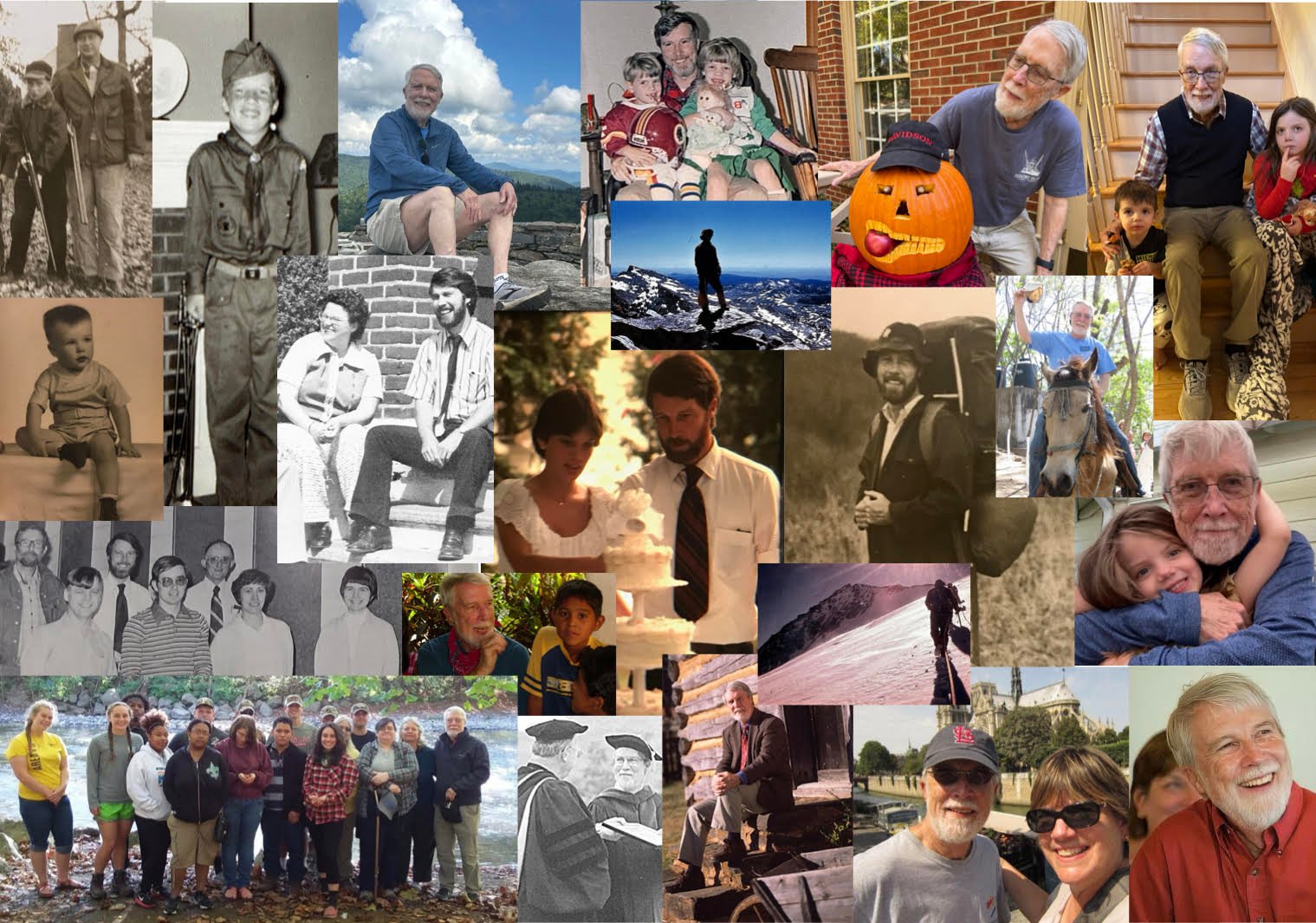
Pete Crow spent his life teaching people to look closer—whether at a mountain stream, a coal town’s history, or the humanity in one another. An educator, conservationist, and lifelong storyteller, Pete carried a deep Appalachian curiosity throughout his life, leaving an enduring legacy in the classroom, the community, and the written word.
Pete Crow spent his life teaching people to look closer—whether at a mountain stream, a coal town’s history, or the humanity in one another. An educator, conservationist, and lifelong storyteller, Pete carried a deep Appalachian curiosity throughout his life, leaving an enduring legacy in the classroom, the community, and the written word.
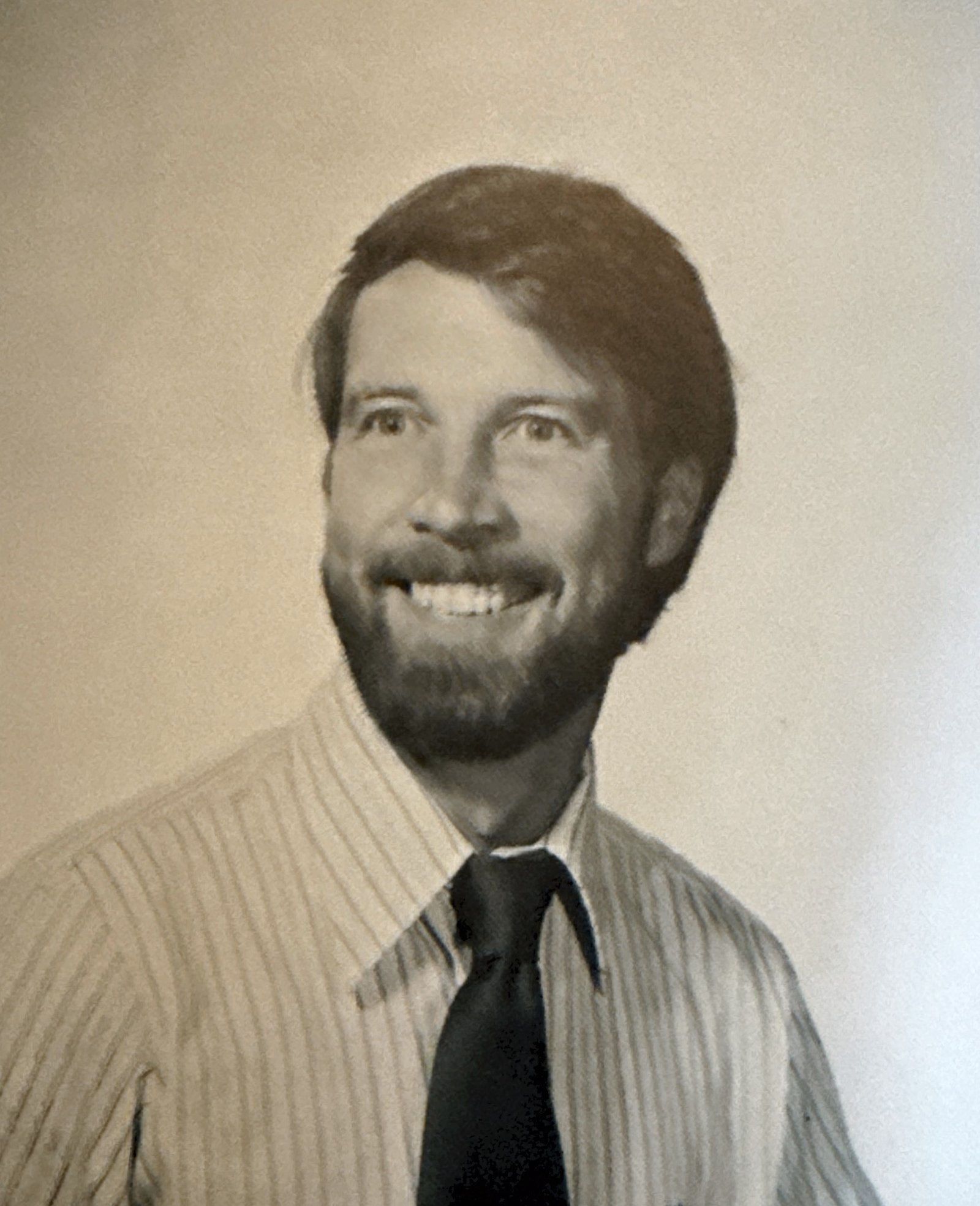
“Pete transformed my career when he invited me to join his unique Appalachian studies faculty team at Ferrum College. He gave me, as a young colleague, the confidence to become a community-based scholar who grew so much under his guidance that, in time, I mentored him in turn... I would not be who I am personally or professionally without the deep impact Pete Crow had on my life."
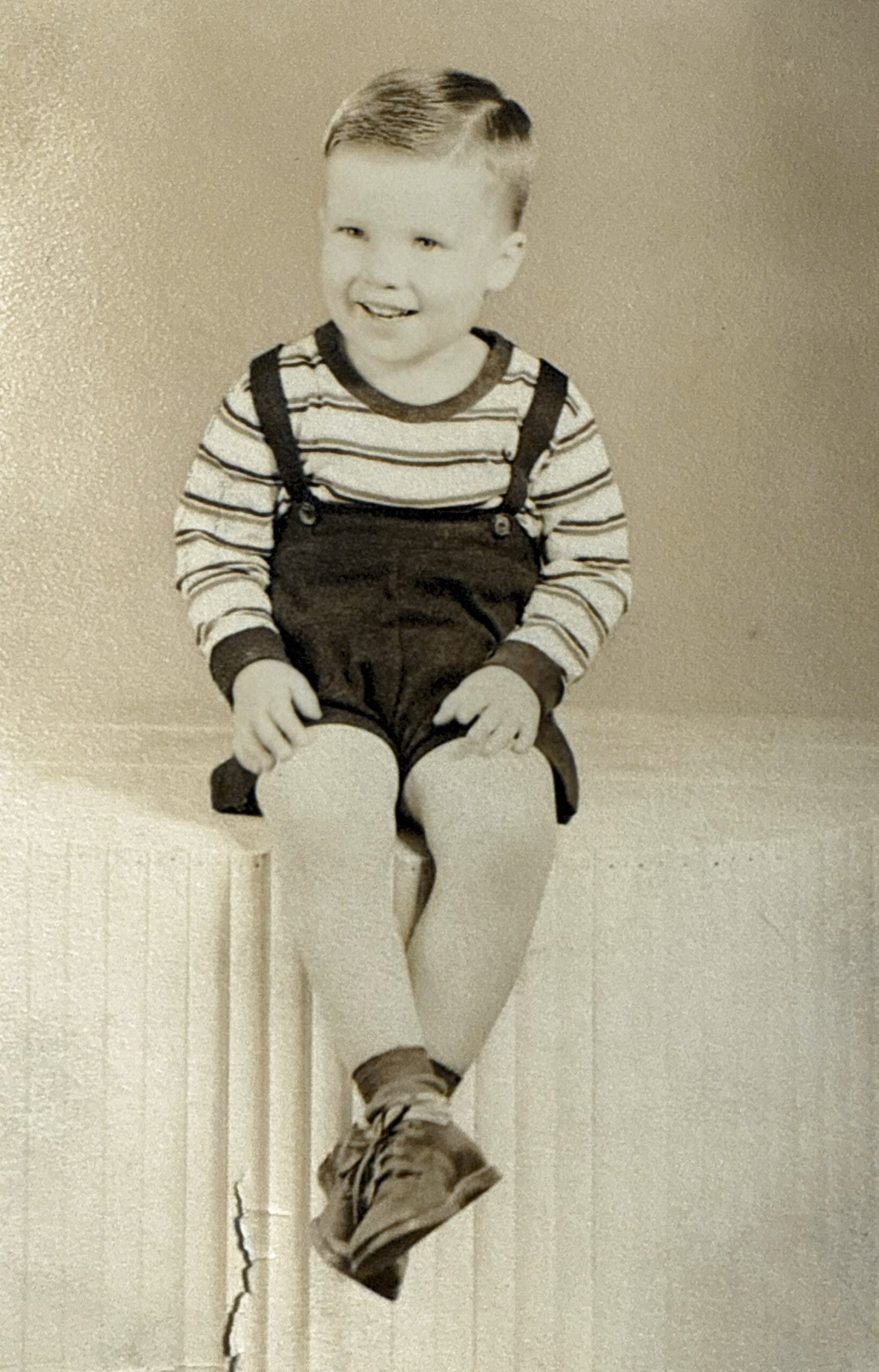
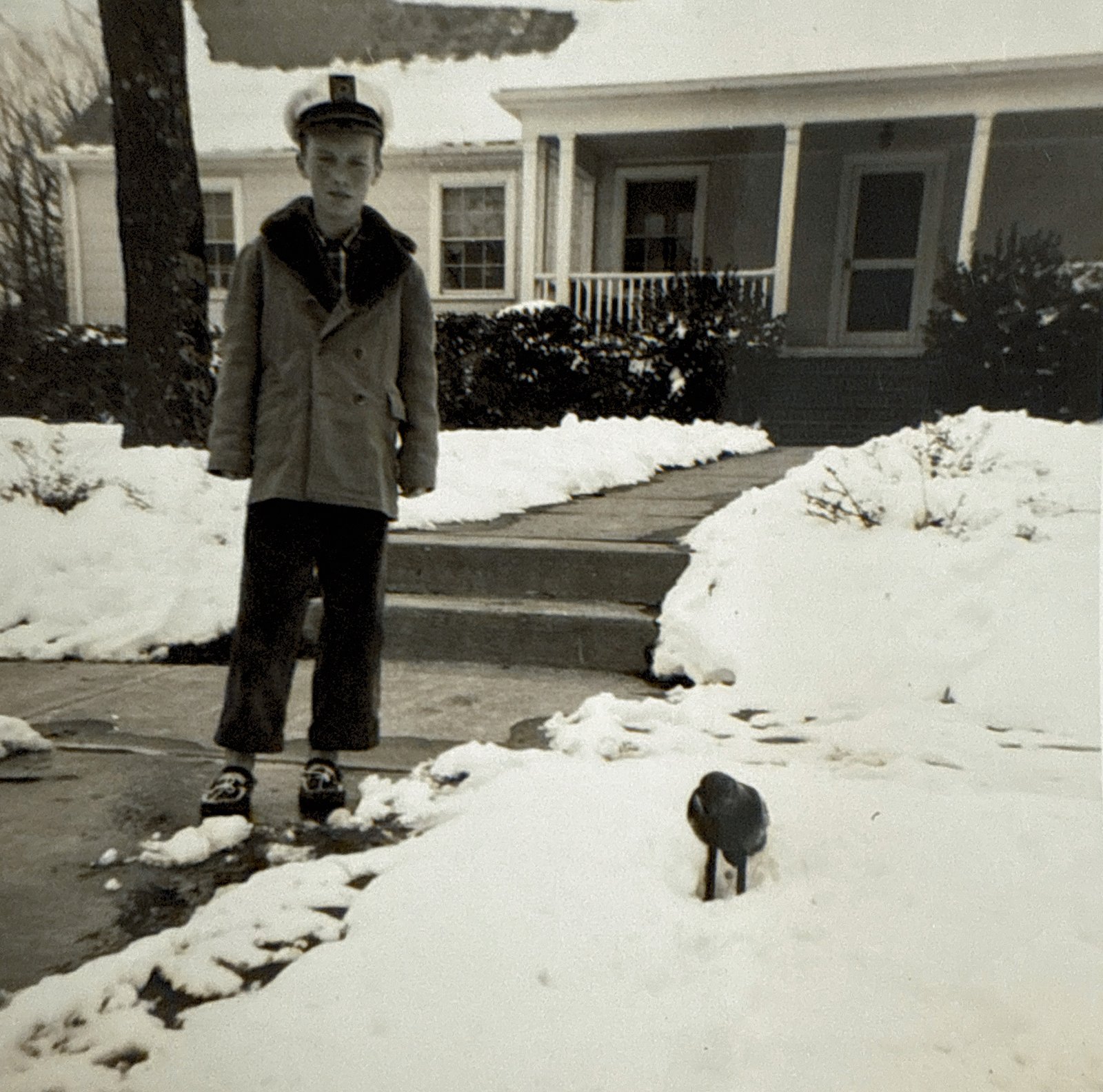
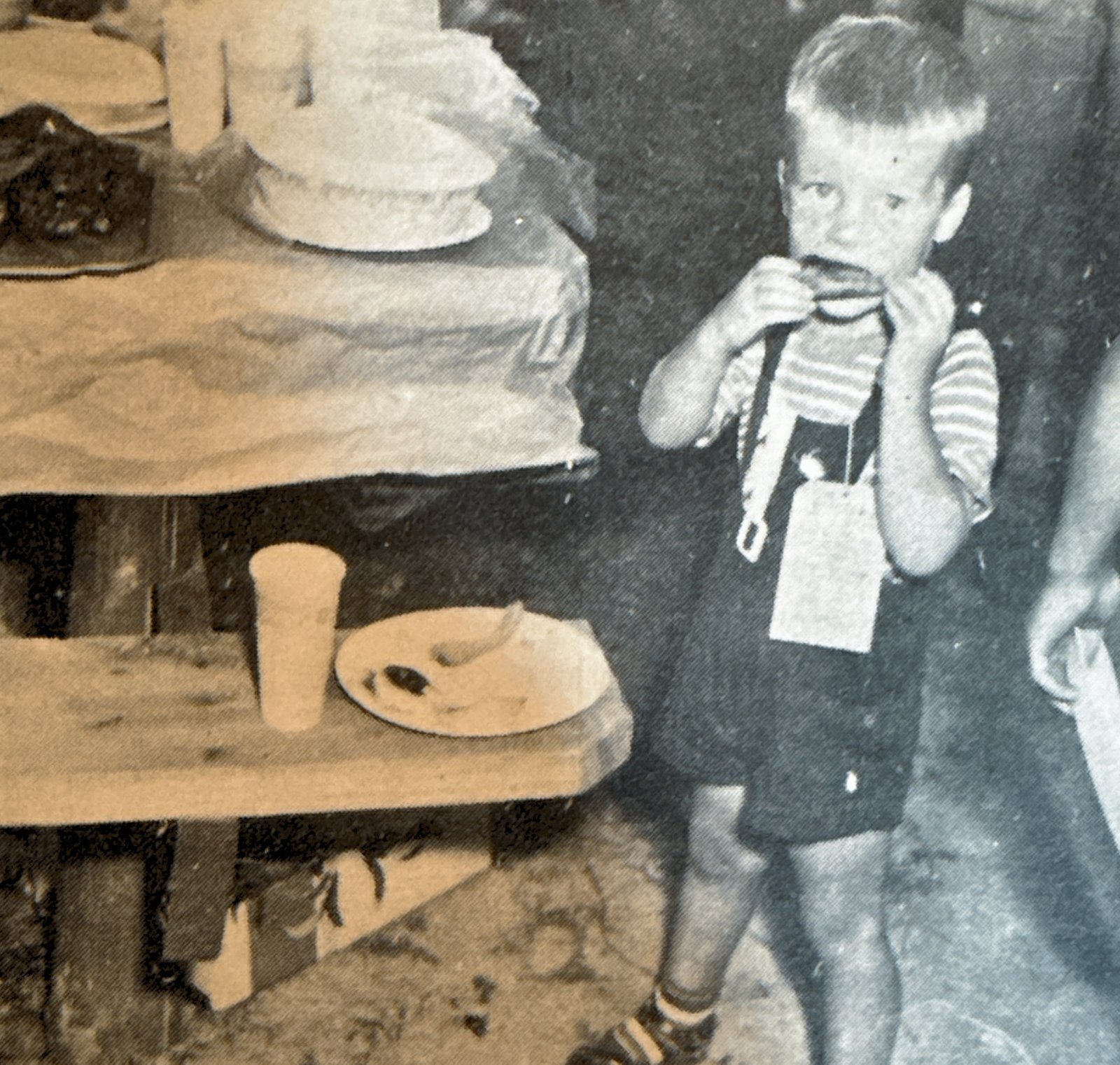
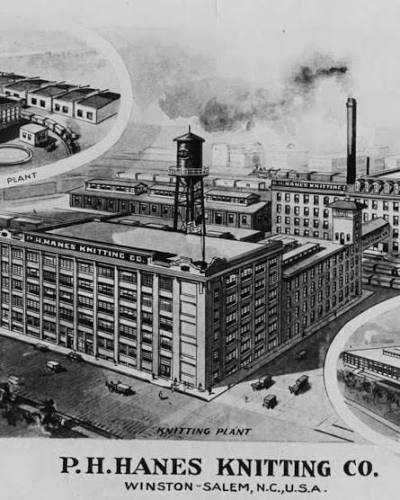
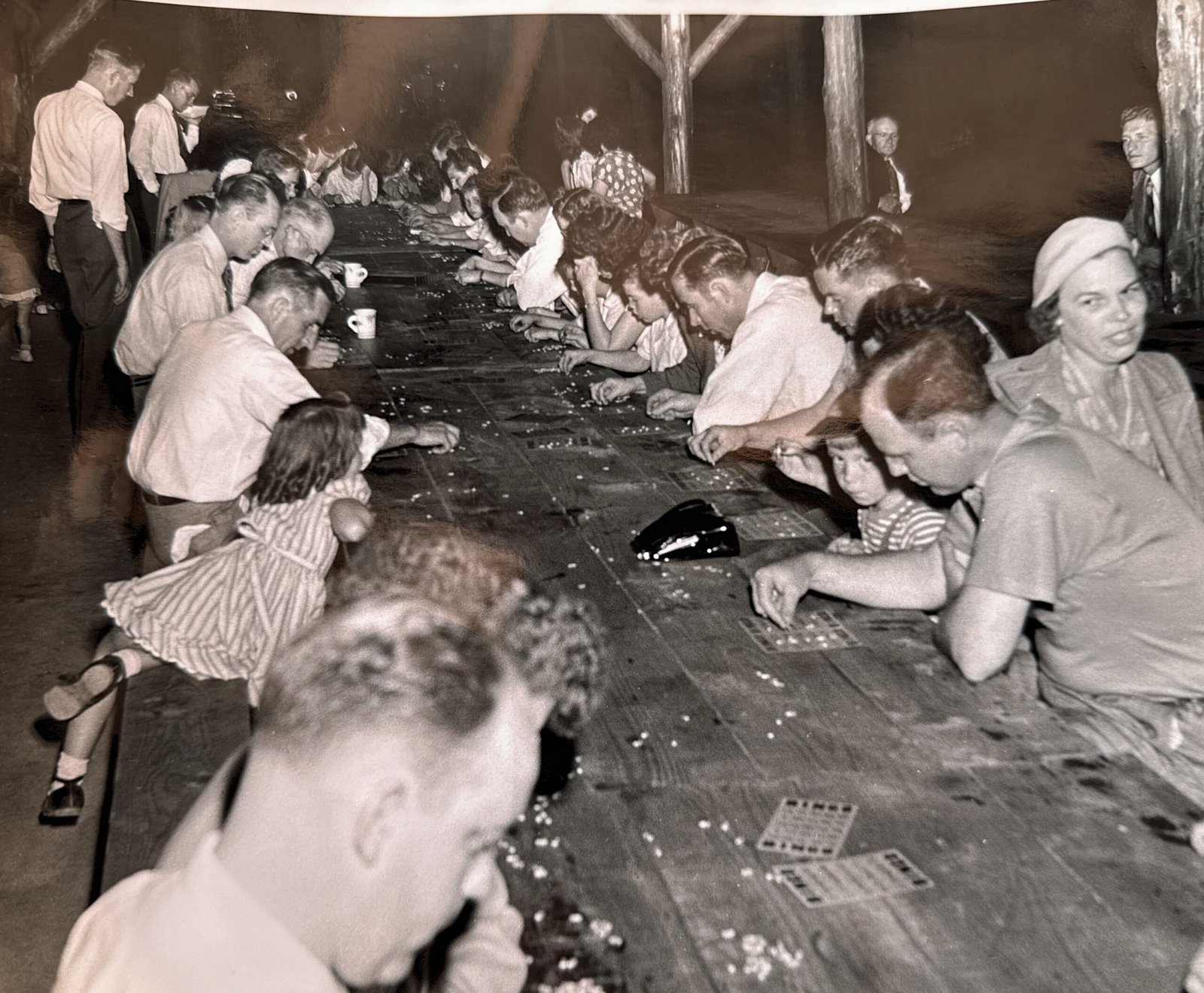
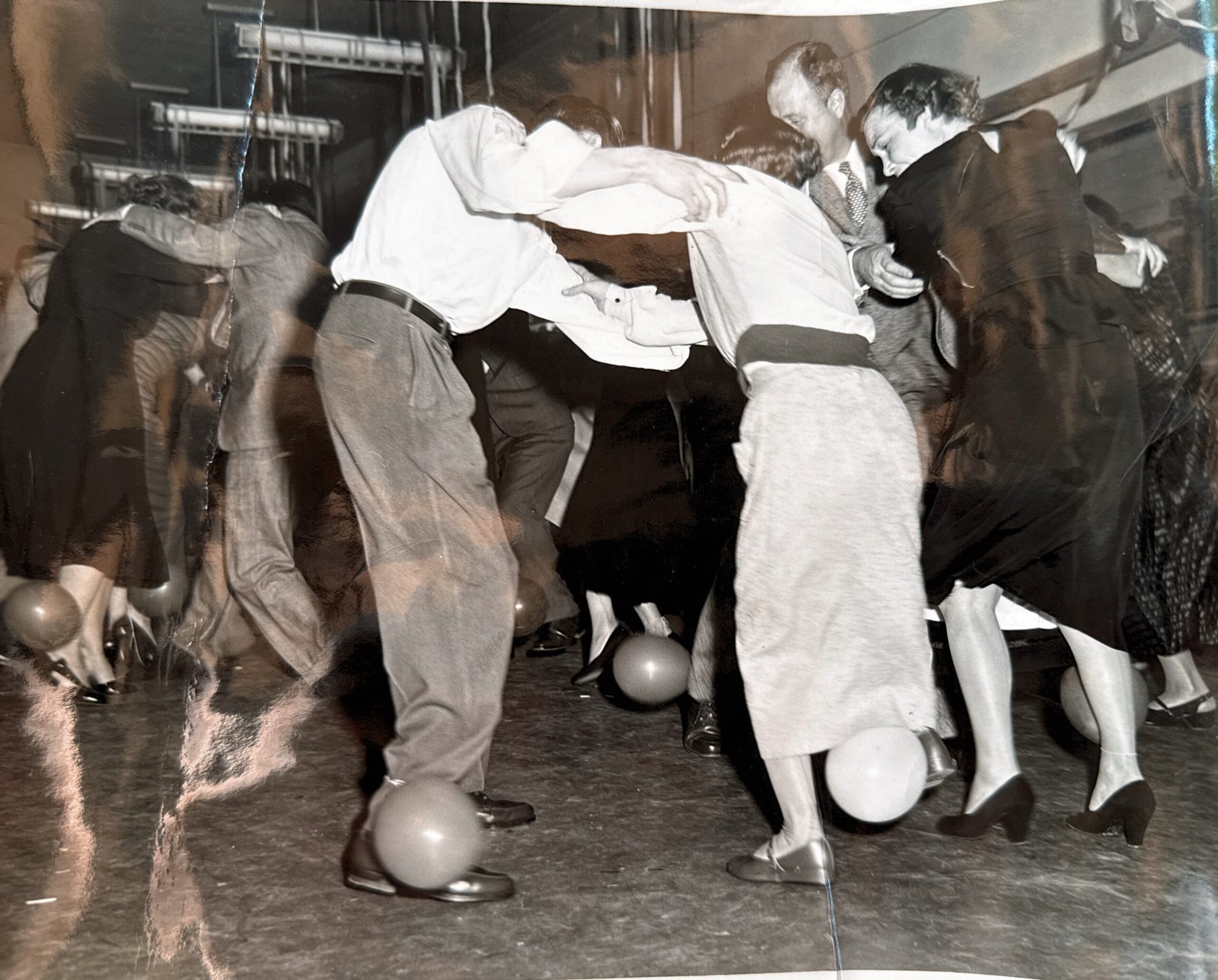
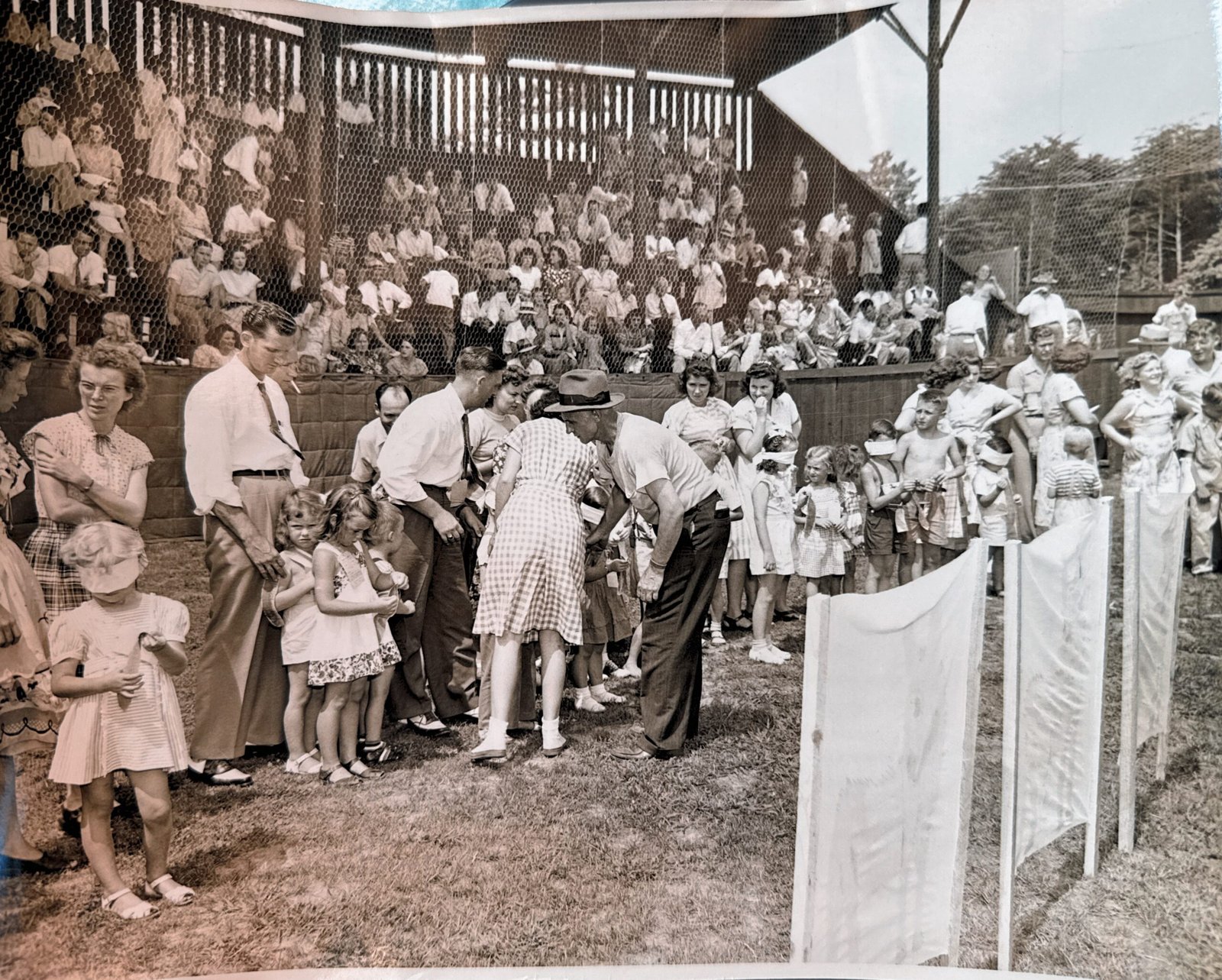
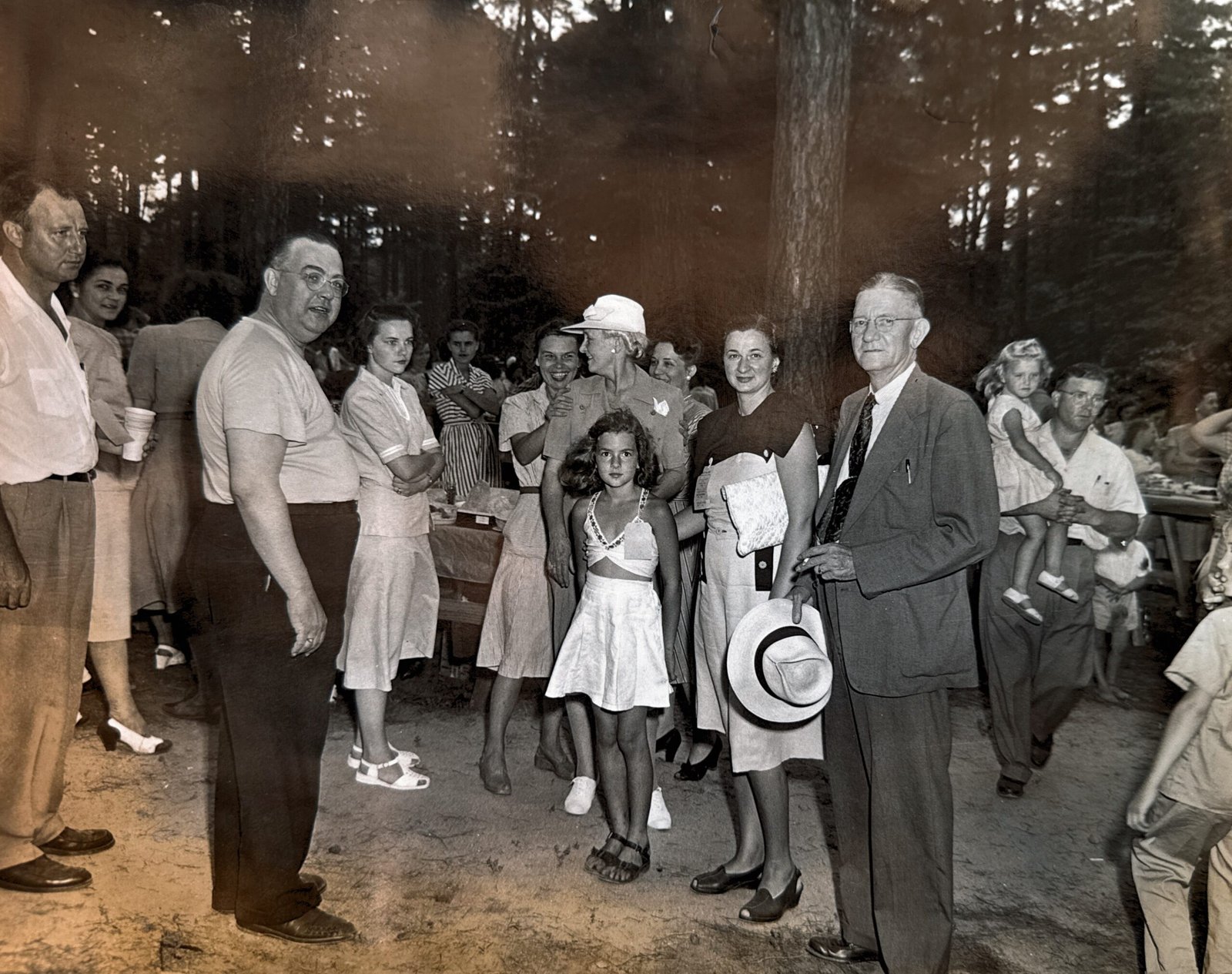
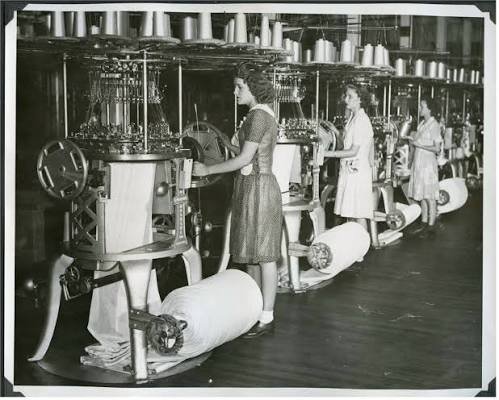
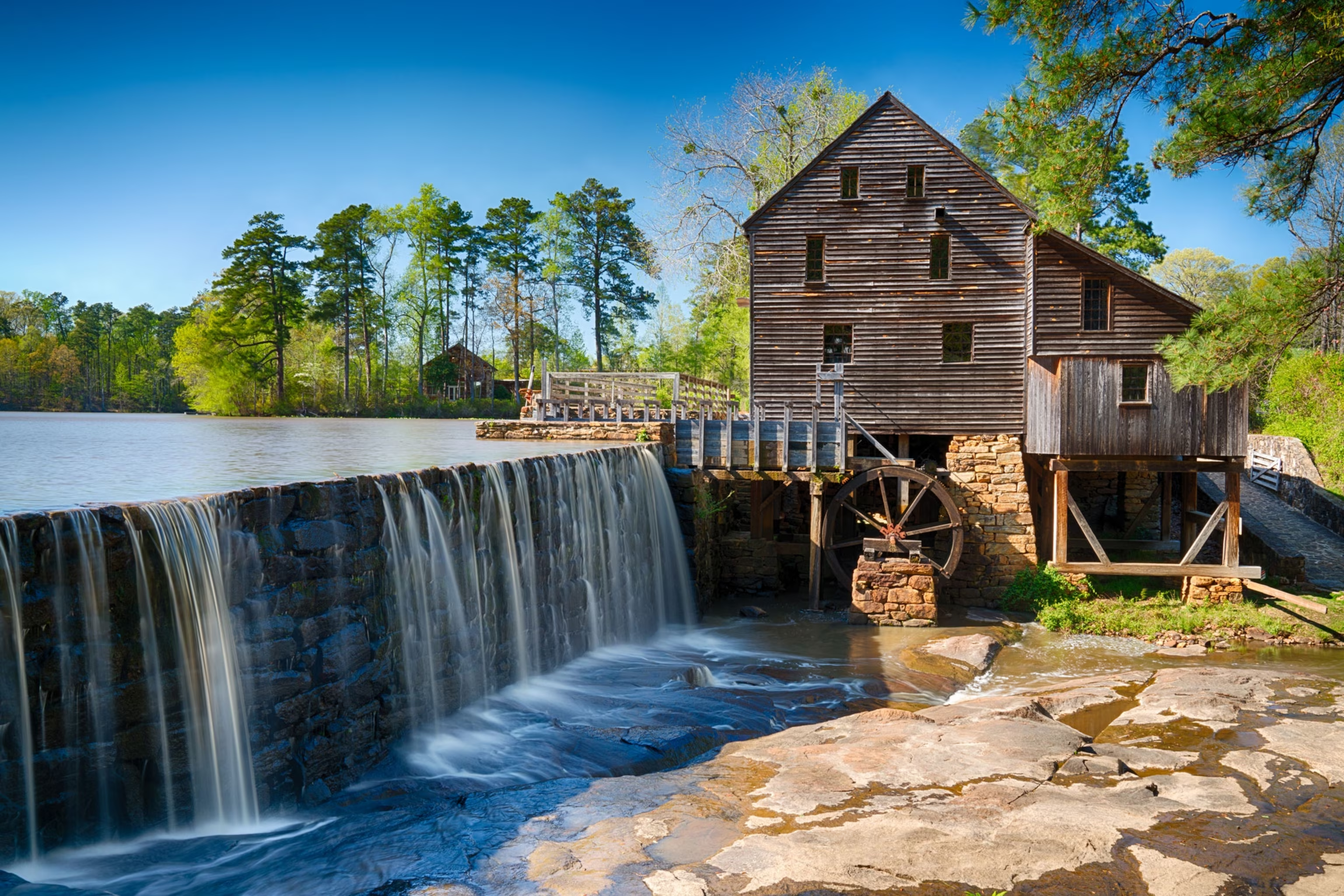
Born in 1942 in Winston-Salem, North Carolina—then a bustling textile hub—Pete was the great-nephew of Pleasant Henderson and John Wesley Hanes, the founders of the Hanes Knitting Company. This family legacy shaped his early years; Pete’s father, Ed, worked as a foreman for Hanes for most of his adult life, and the family lived in the heart of the Hanes community. Participating in the diverse community and attending the legendary annual company picnics left a lasting impression on young Pete. You can learn more about the early years of the Hanes Knitting Company through this 10-minuute video, PH Hanes Kiniting Company.
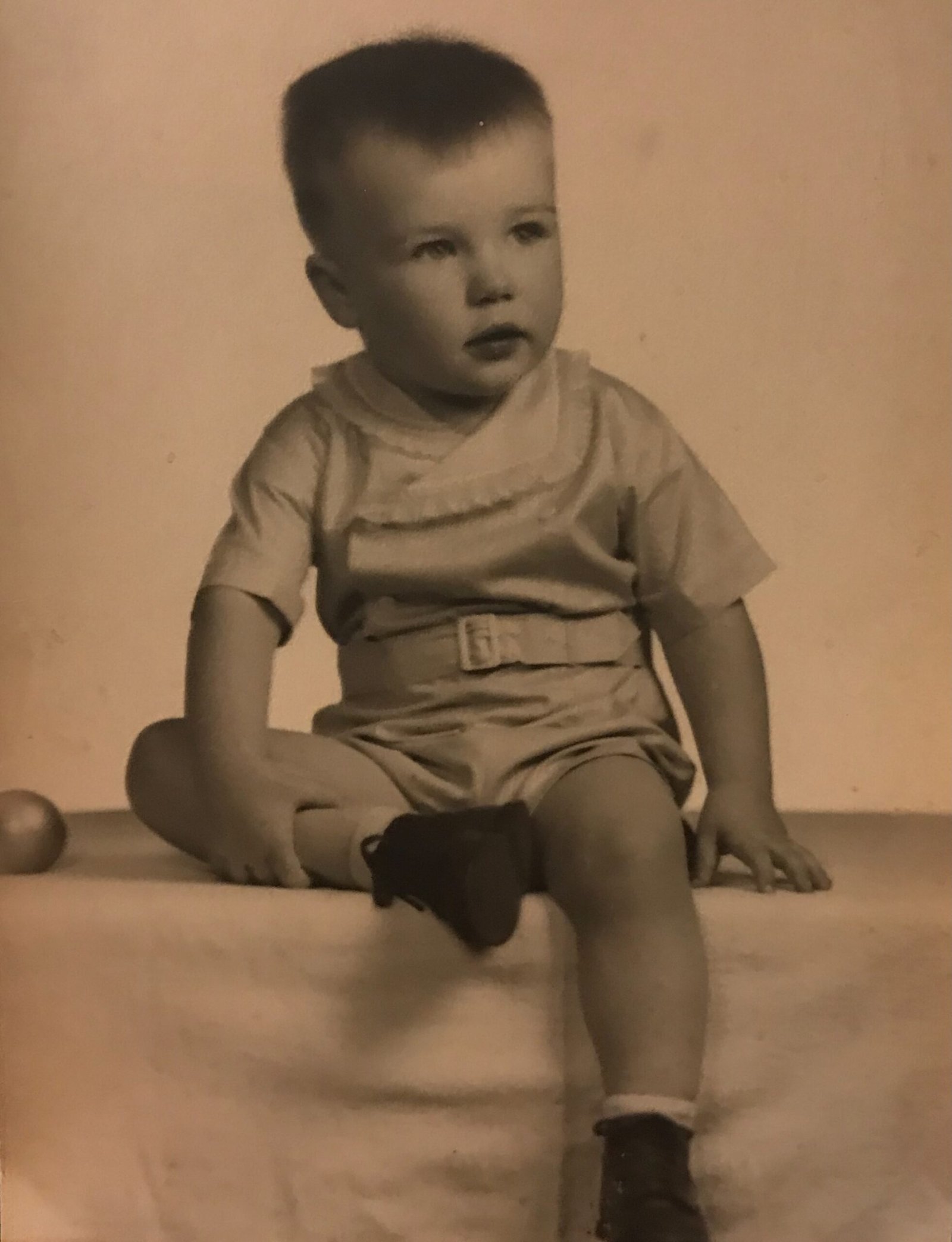
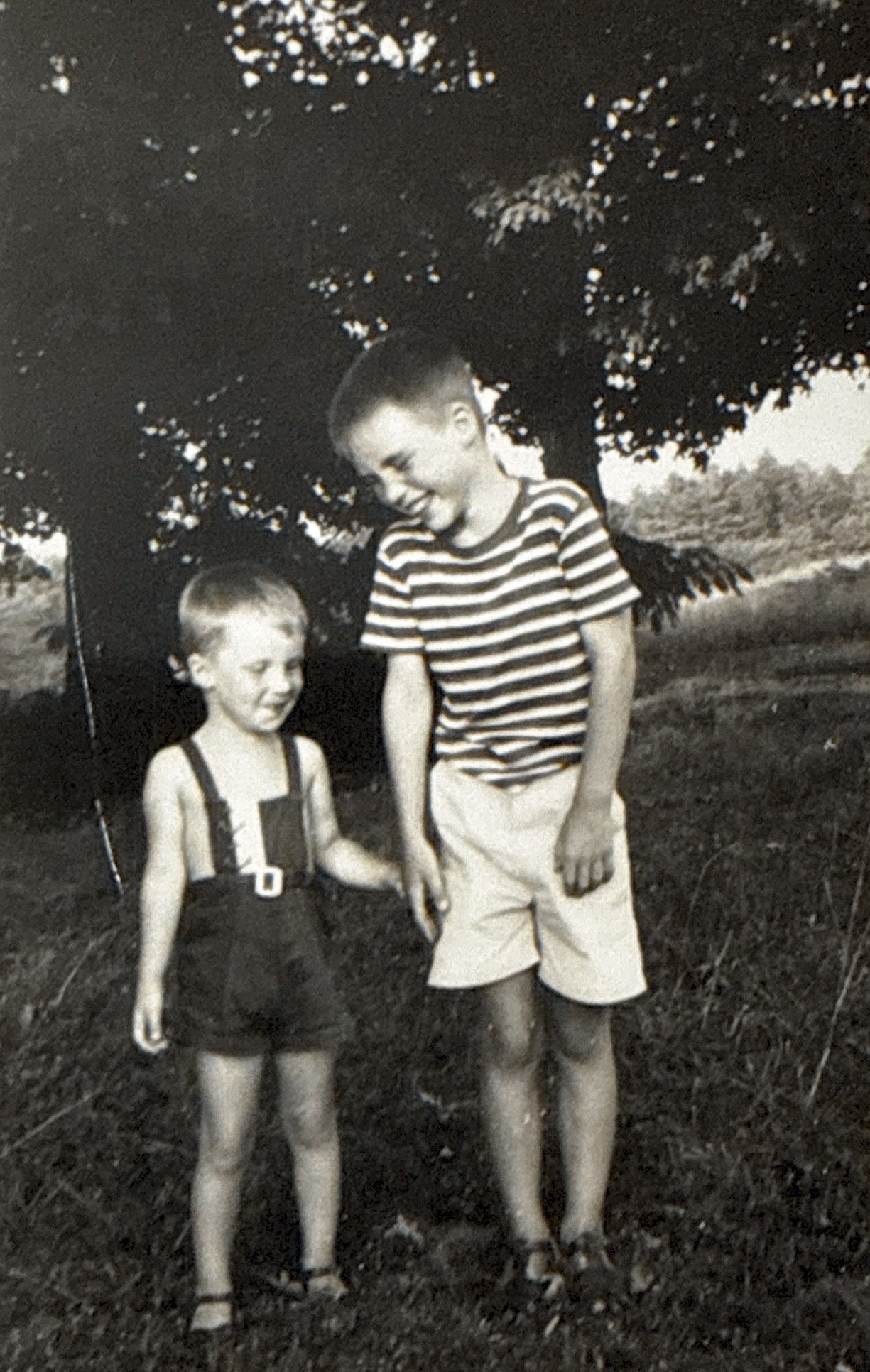
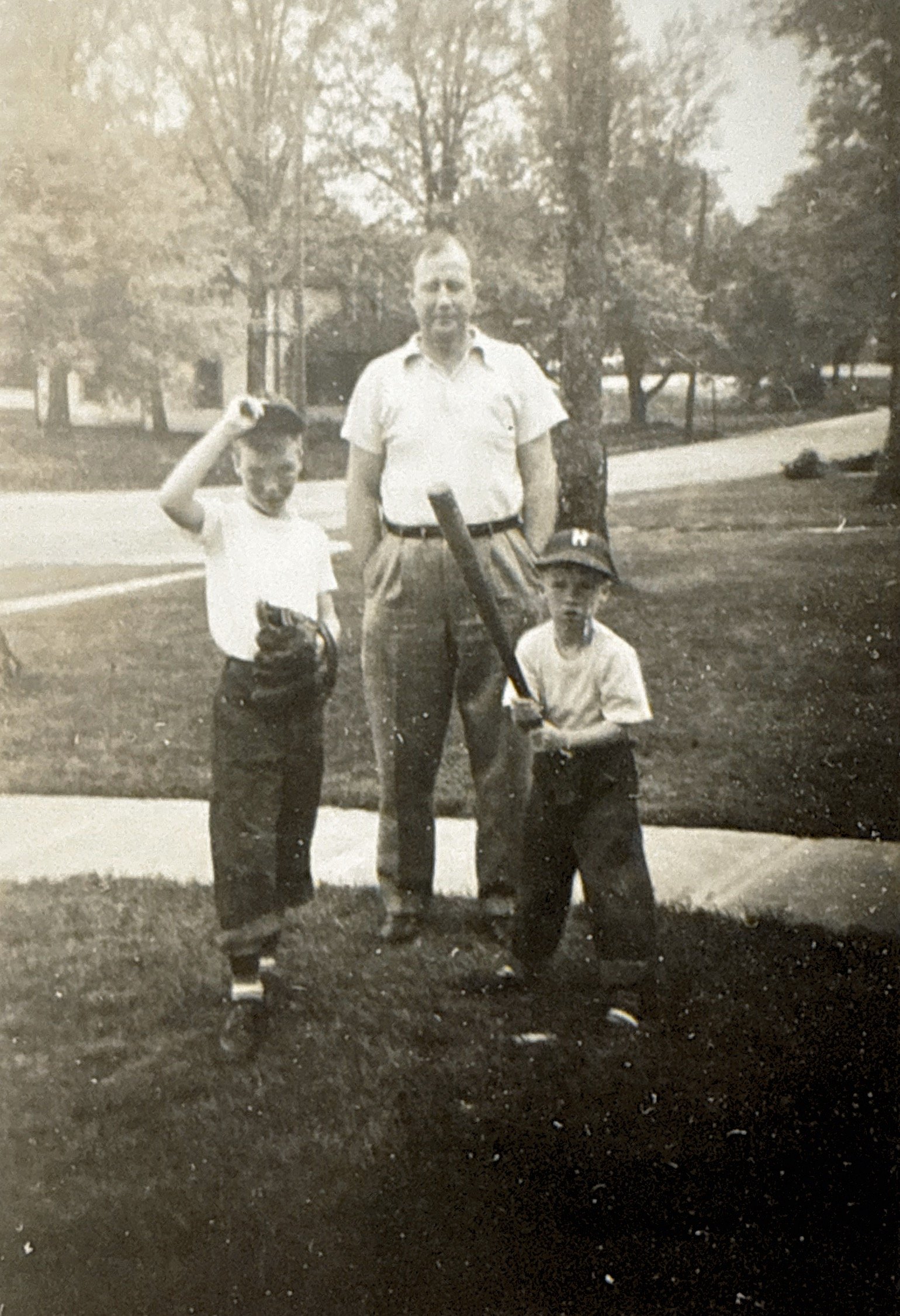
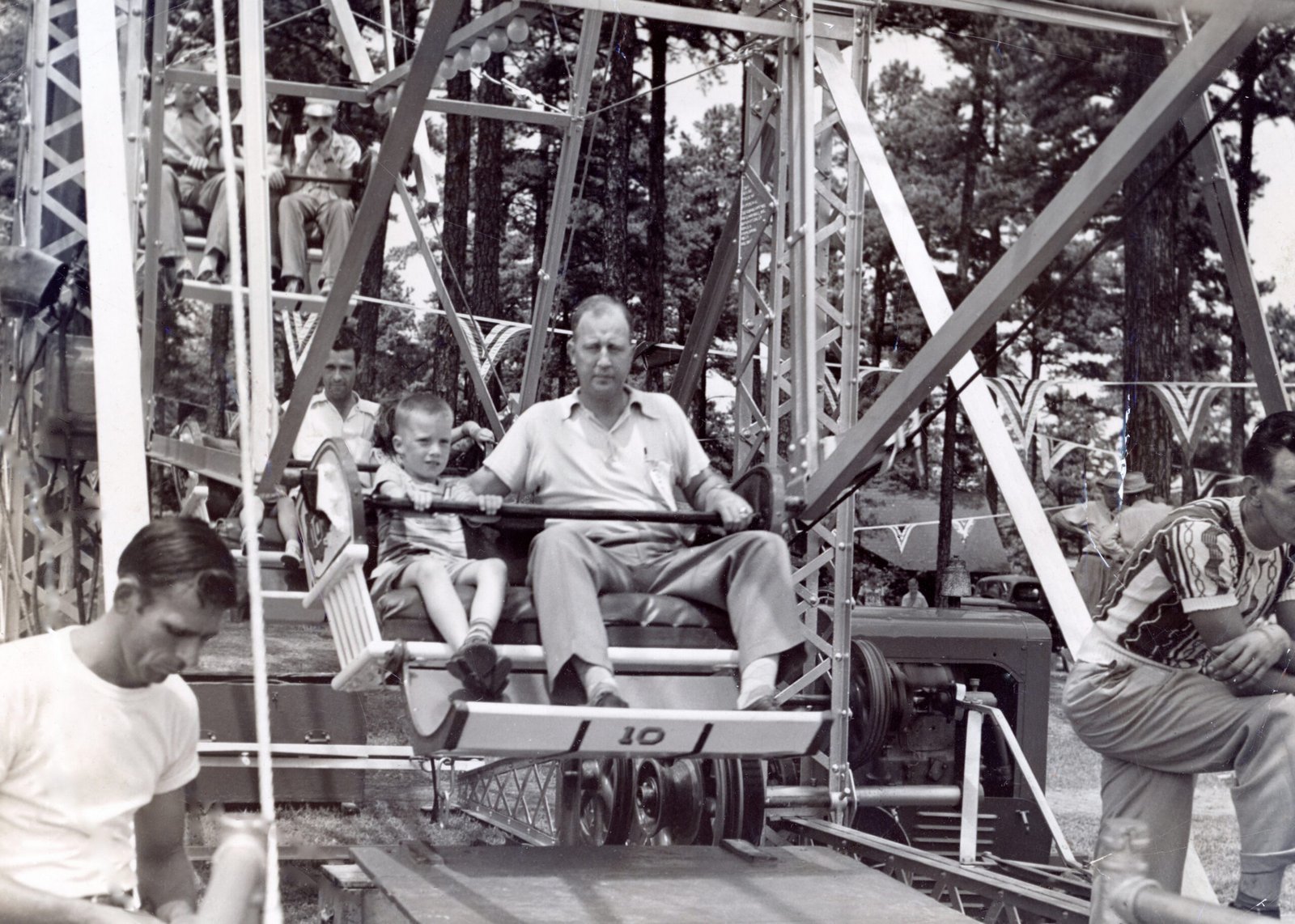
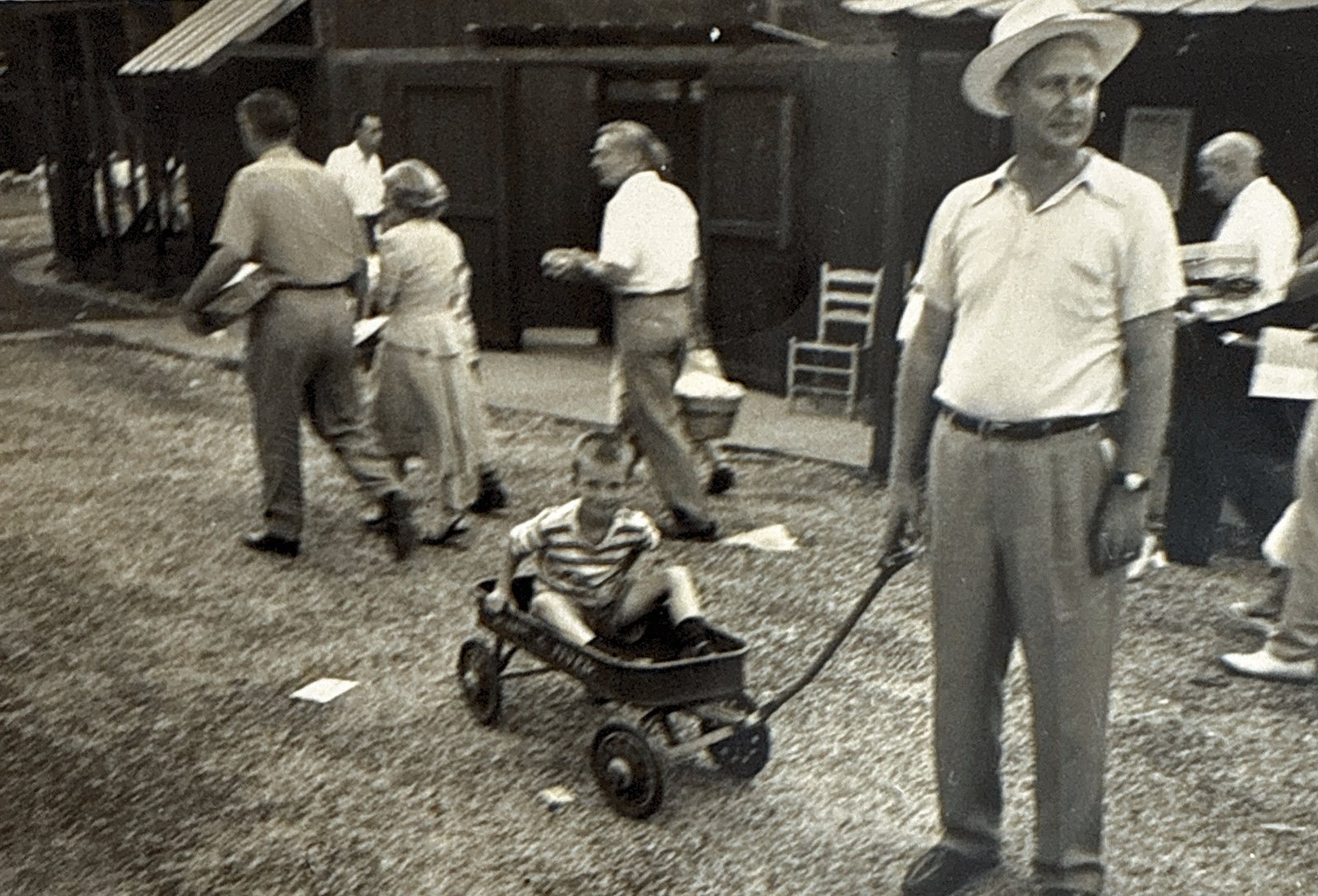
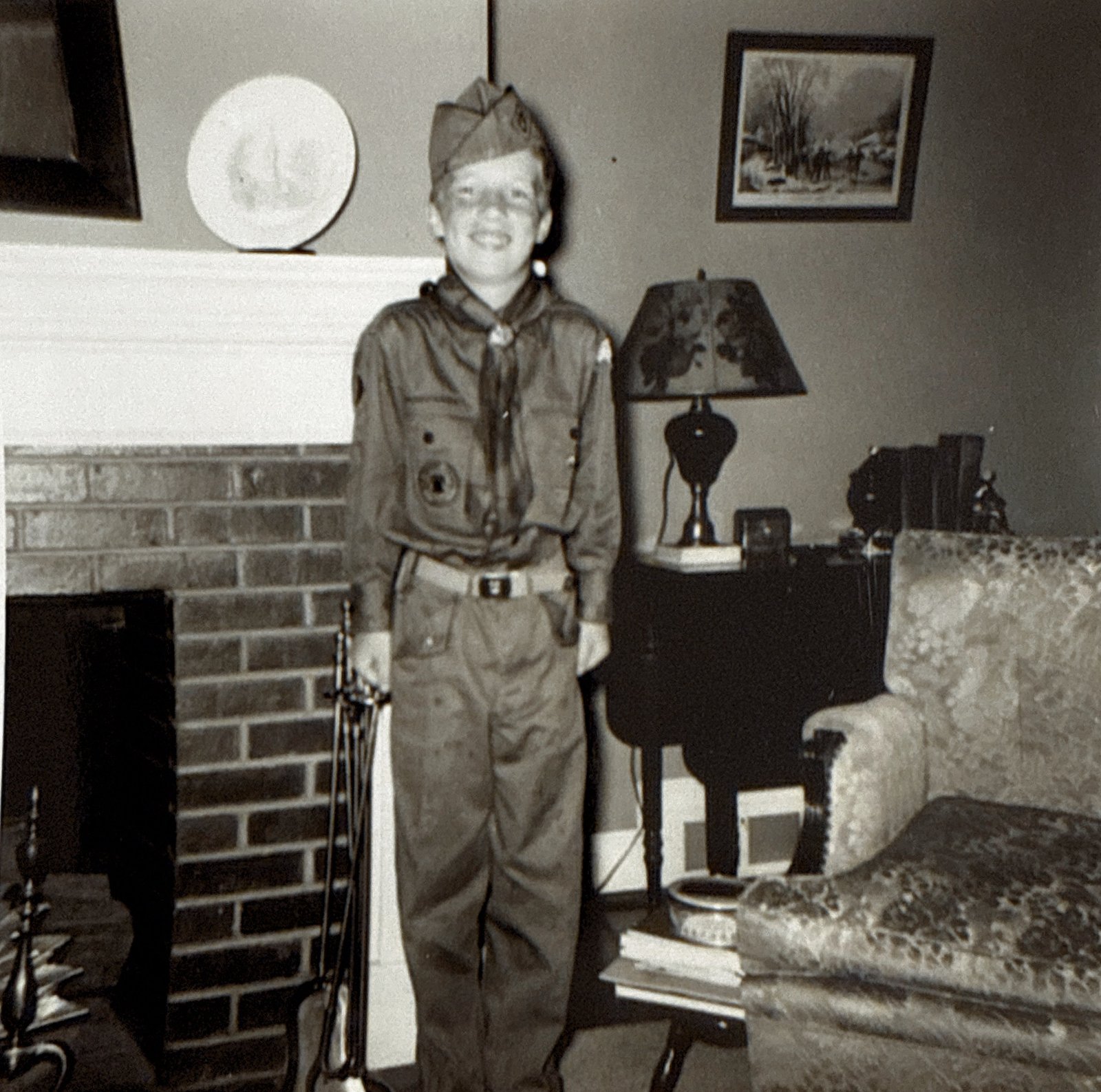
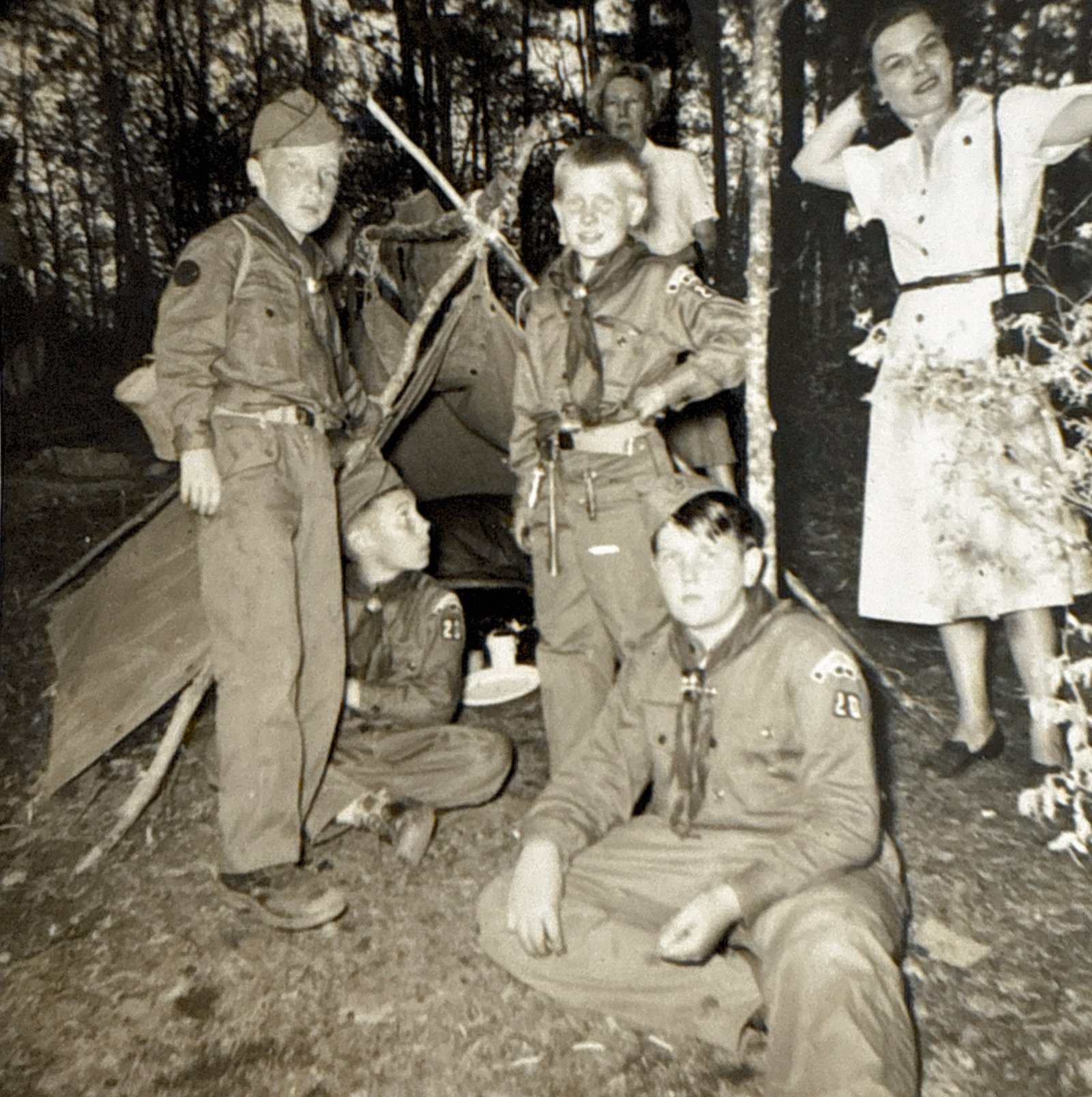
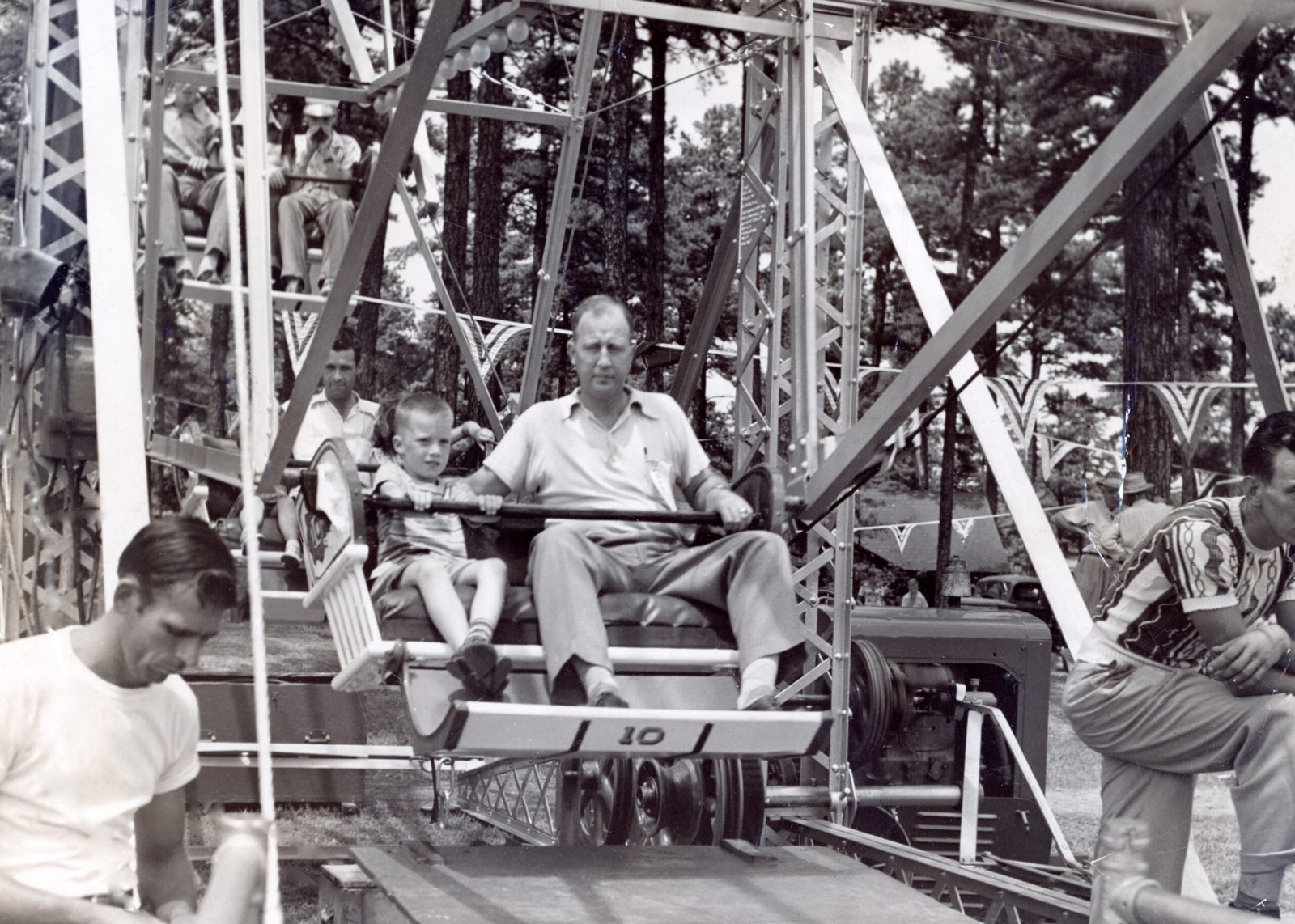
Hanes Knitting Company in the 1940-50s

Roots, Mountains, and the Birth of Old Joe Grady
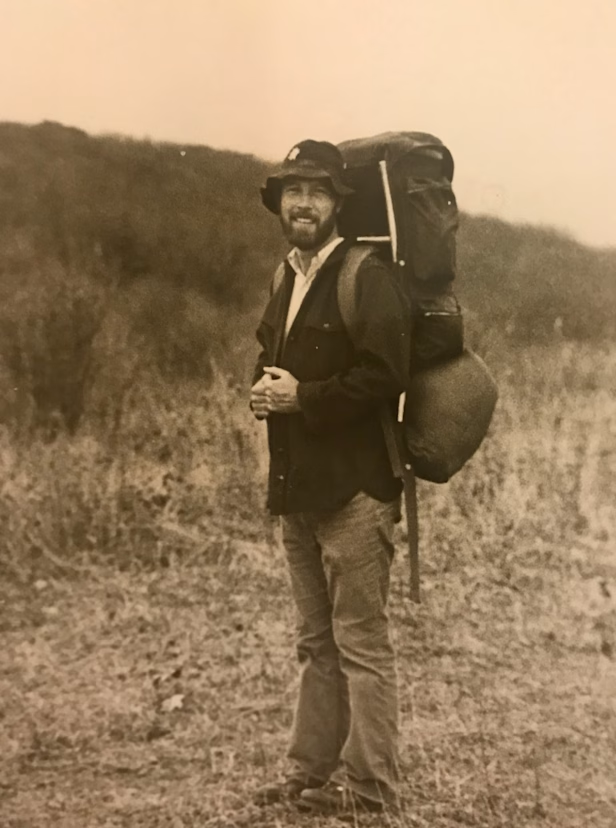
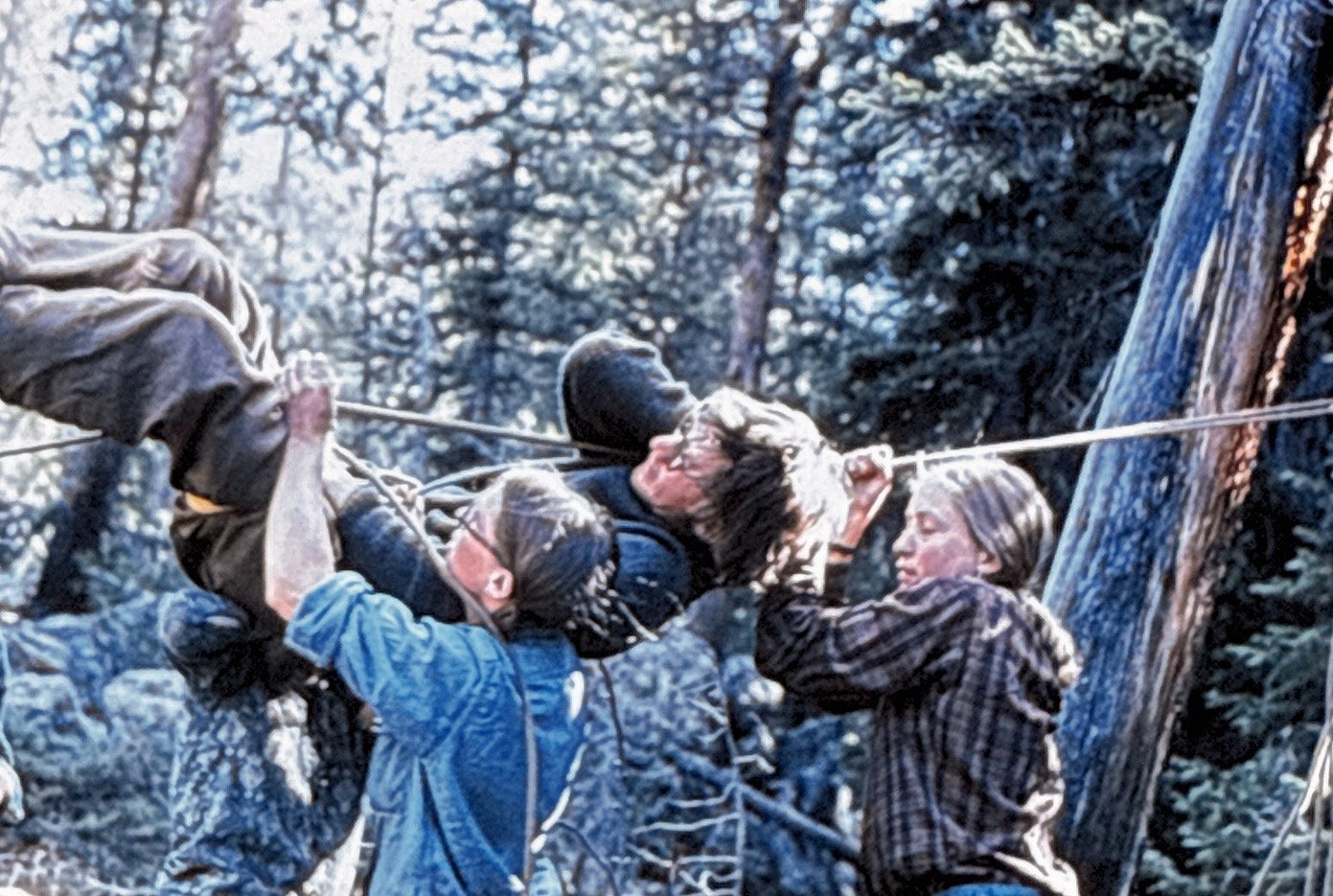
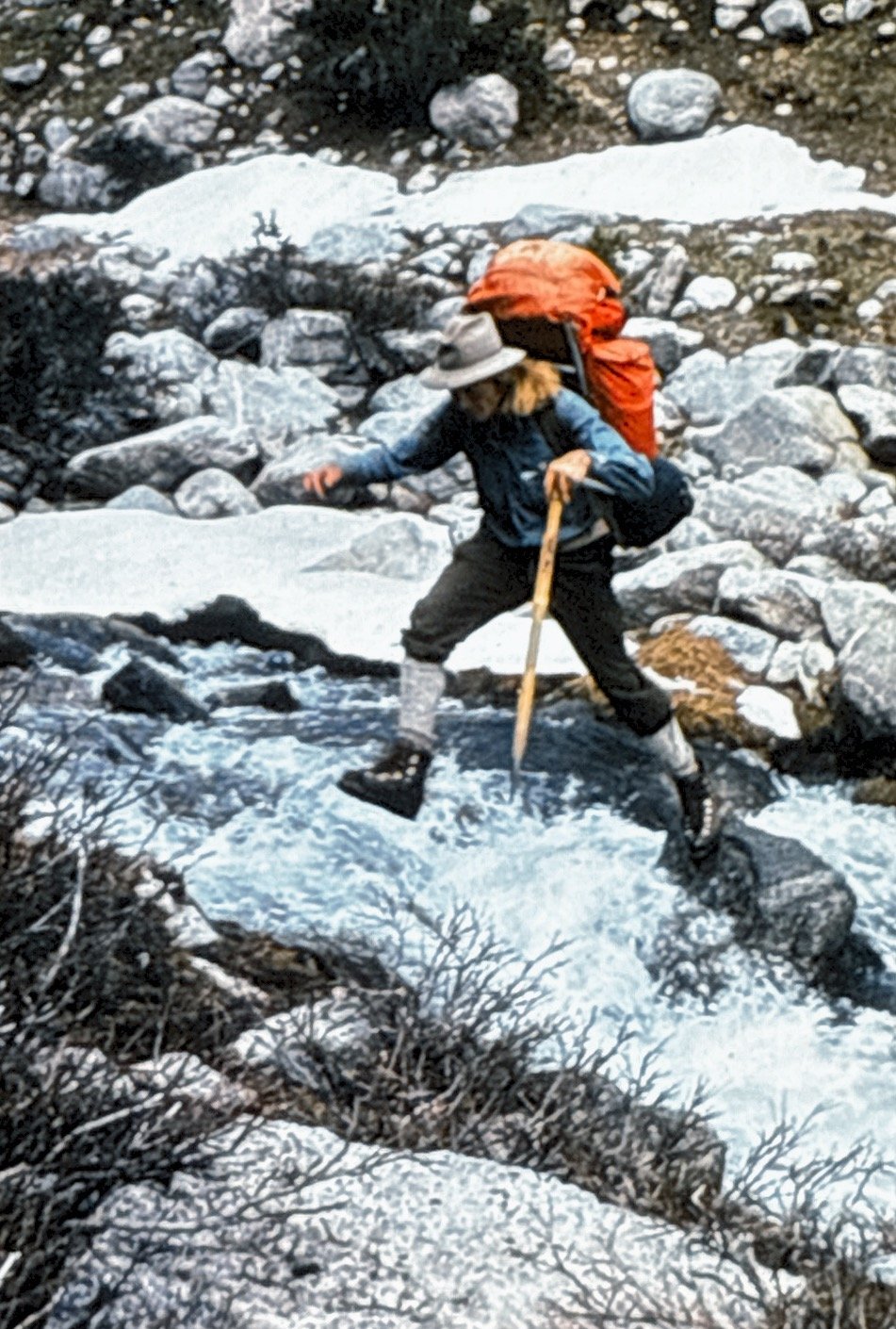
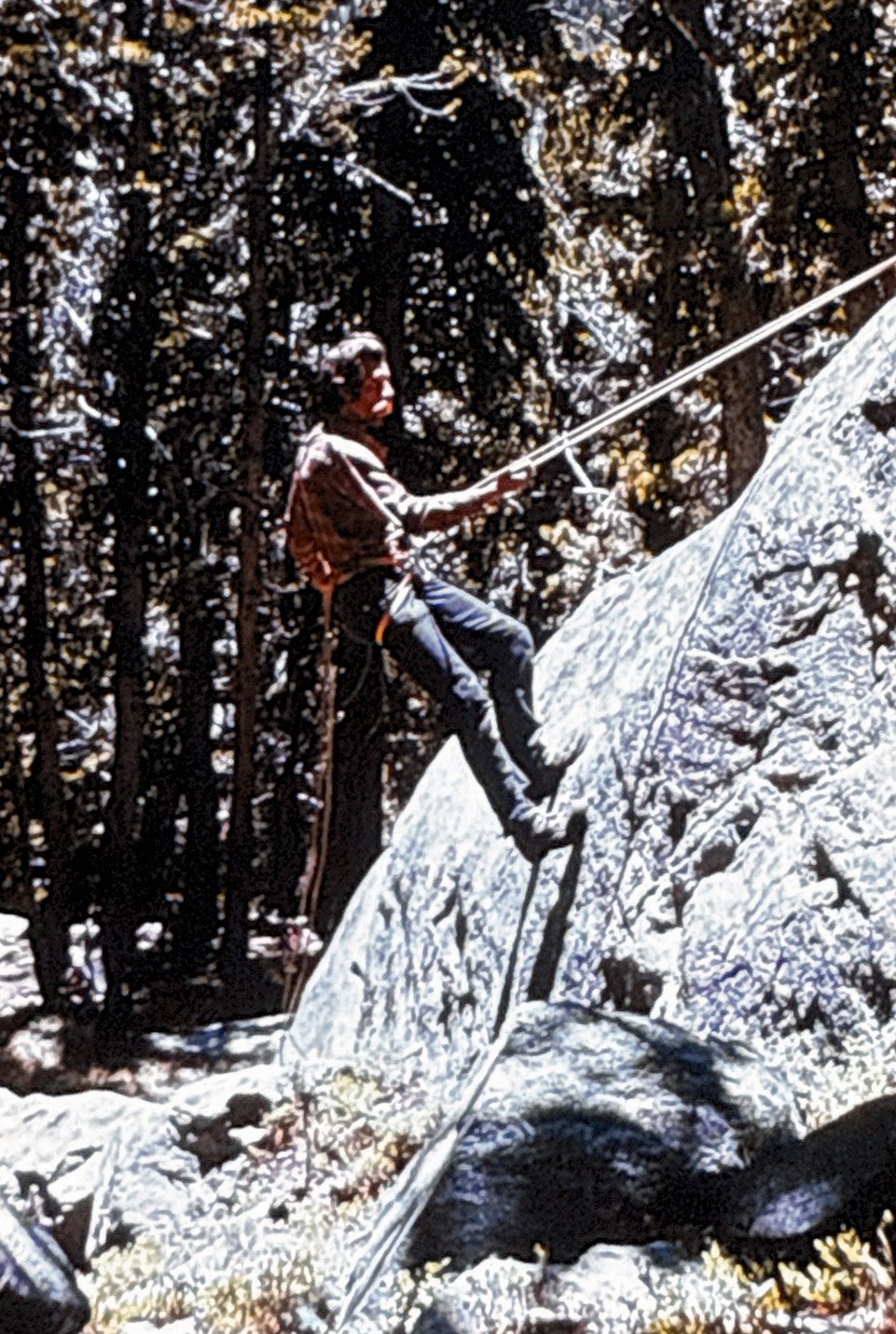
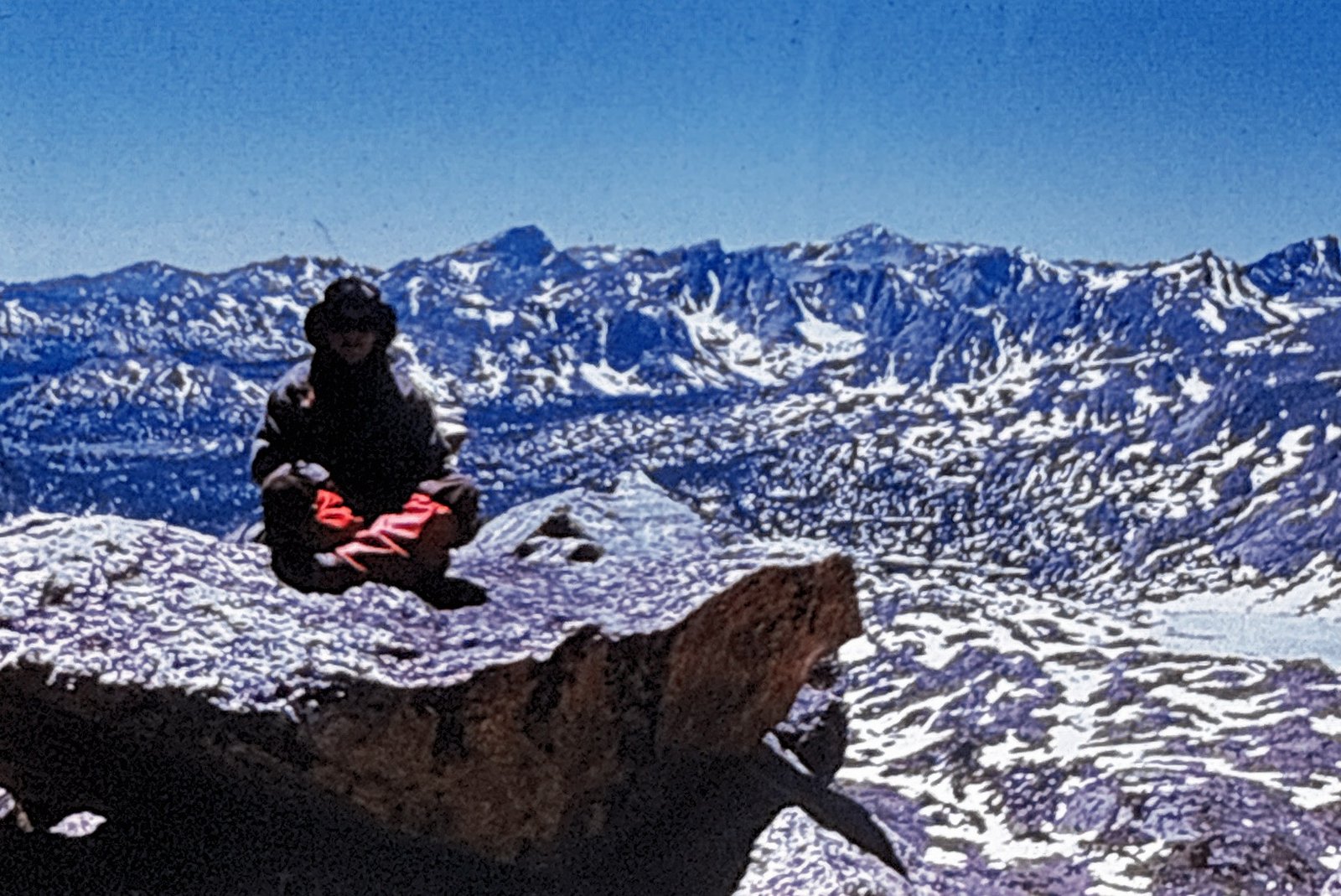
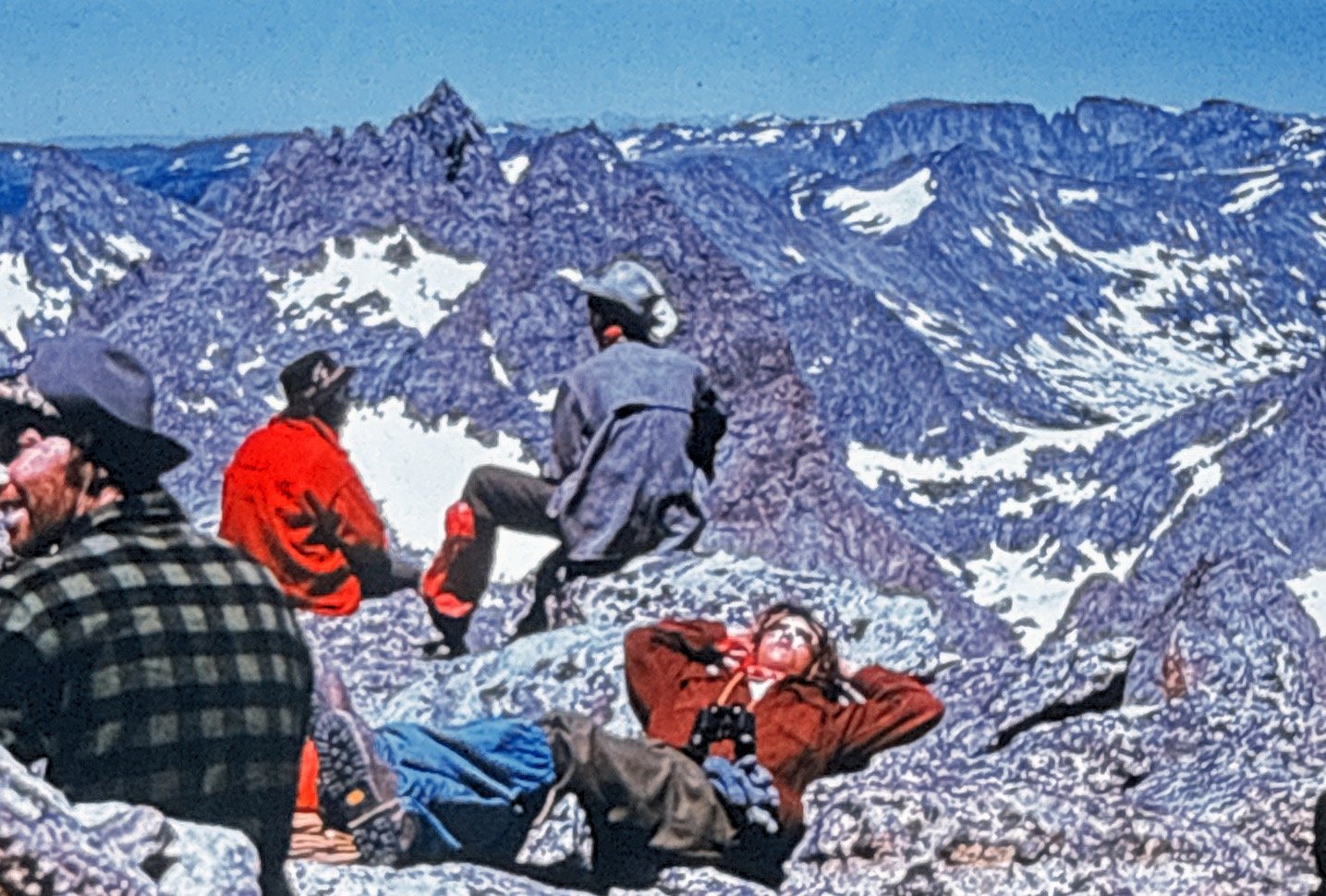
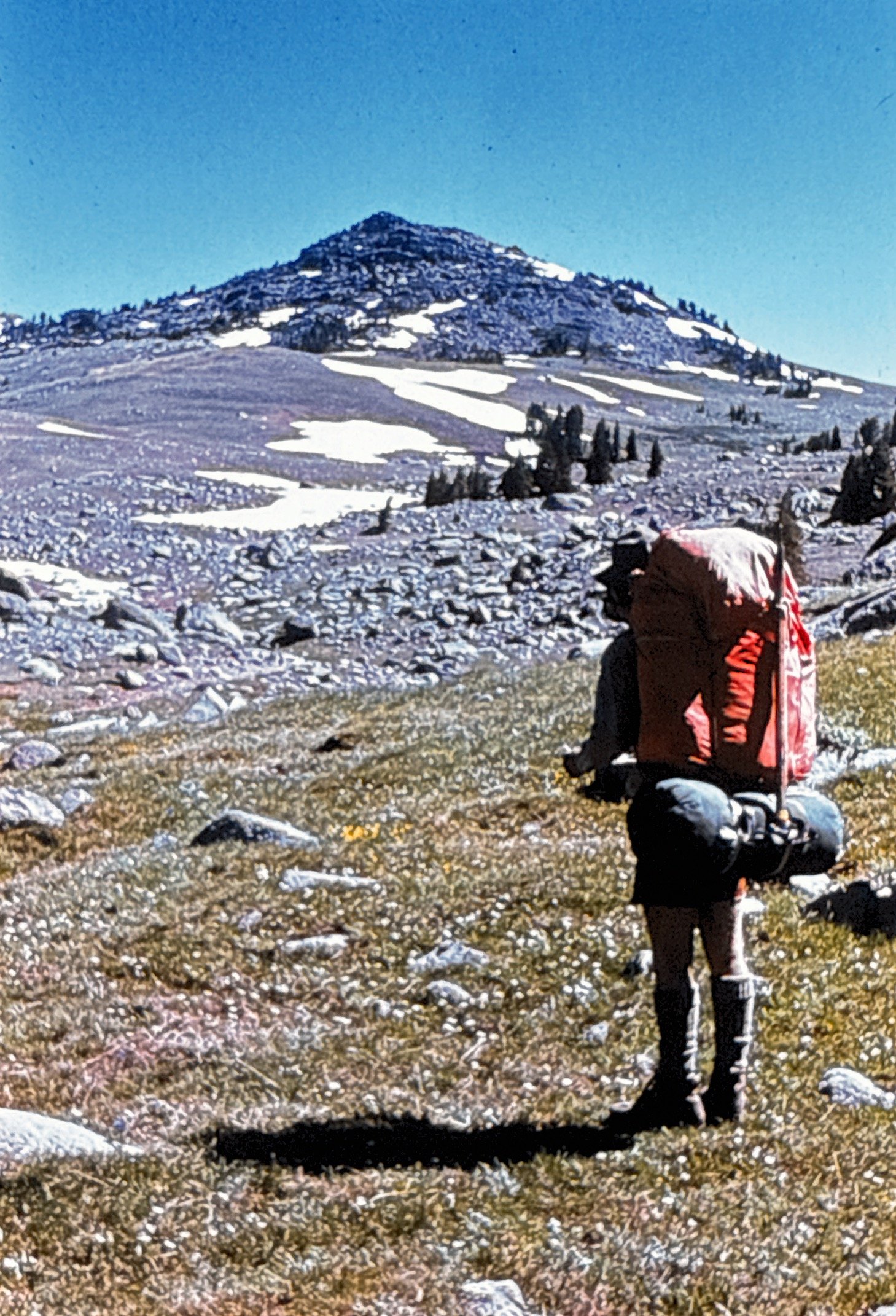
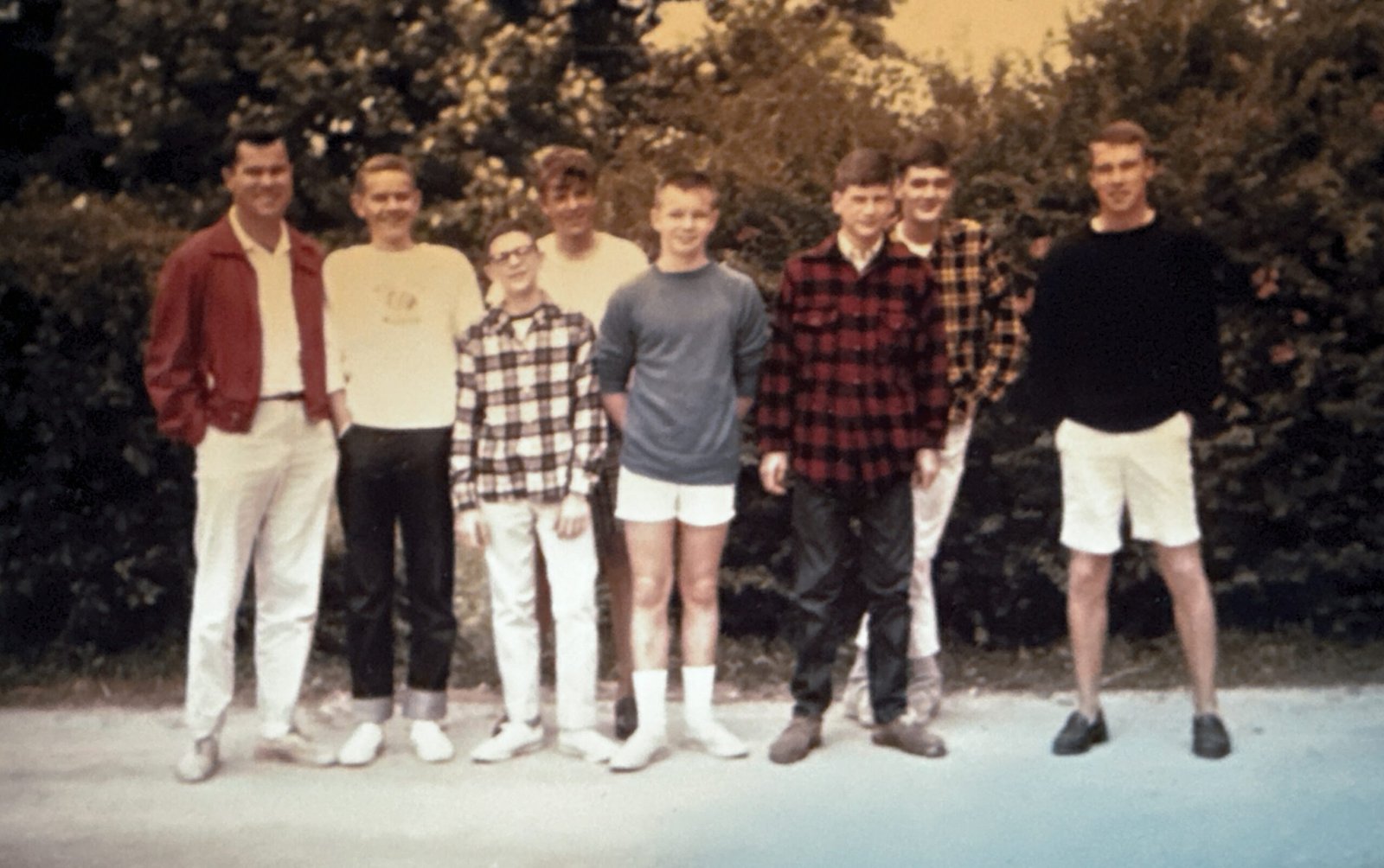
Pete’s true calling, however, began to take shape in the Blue Ridge Mountains during his early twenties. After attending Woodberry Forest School in Orange County, Virginia, Pete spent formative summers working at Camp Mondamin in Western North Carolina. It was here that Pete discovered his dual passions: the great outdoors and storytelling.
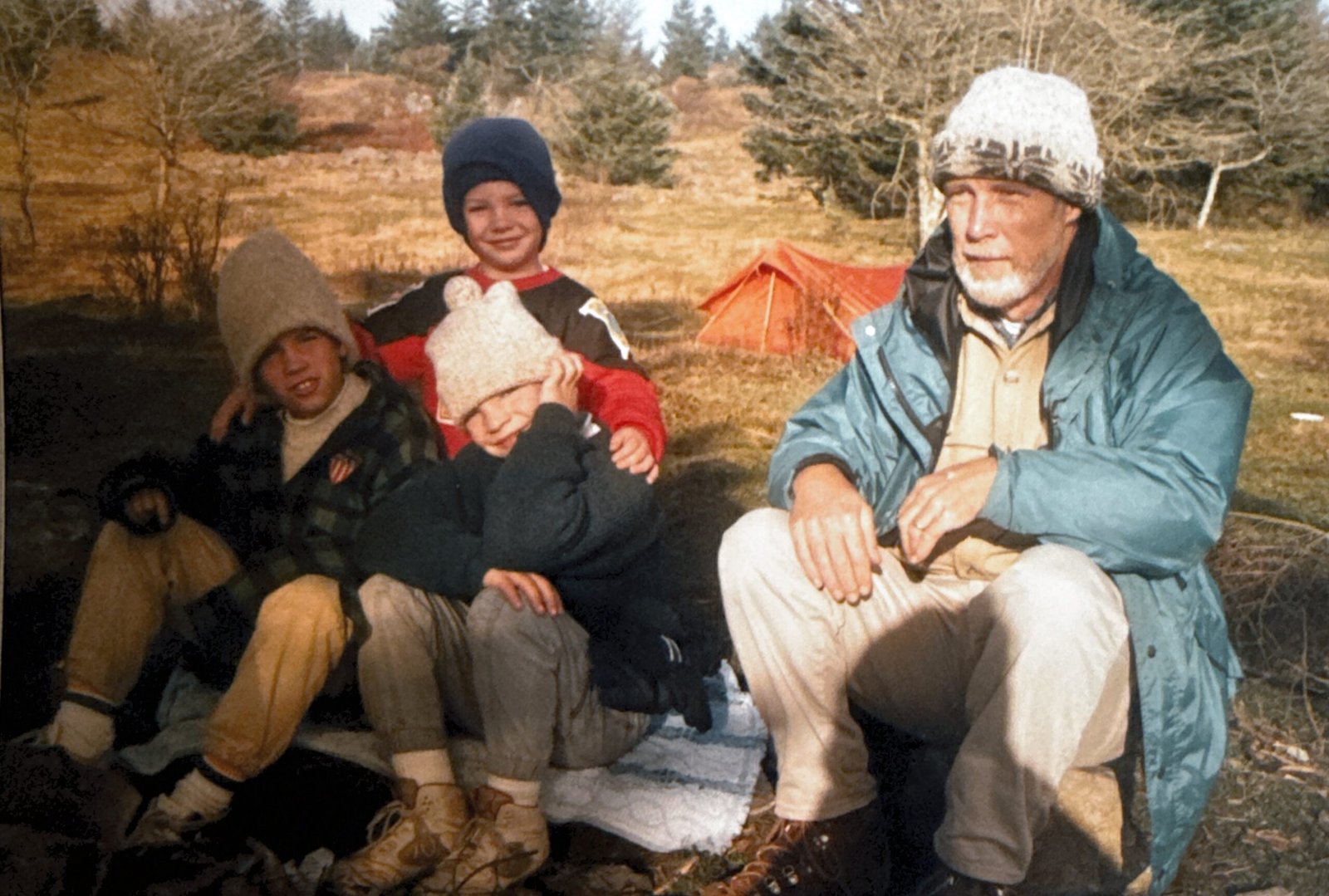
During week-long treks along the Appalachian Trail in the Great Smoky Mountains, Pete needed a way to keep tired young campers focused on the trail rather than their aching feet. To distract them, he conjured up a colorful, folksy character named Old Joe Grady. Years later, when Pete and his wife, Beth, took their own children hiking, Old Joe Grady returned to the trail, introducing the family to a new, colorful character: “Cauliflower Ear” McDuffy.” Pete’s love for the wilderness led him years later to participate in the National Outdoor Leadership School (NOLS) in Wyoming; several years after that he was a part of a Sierra Club climb in the Swiss Alps.

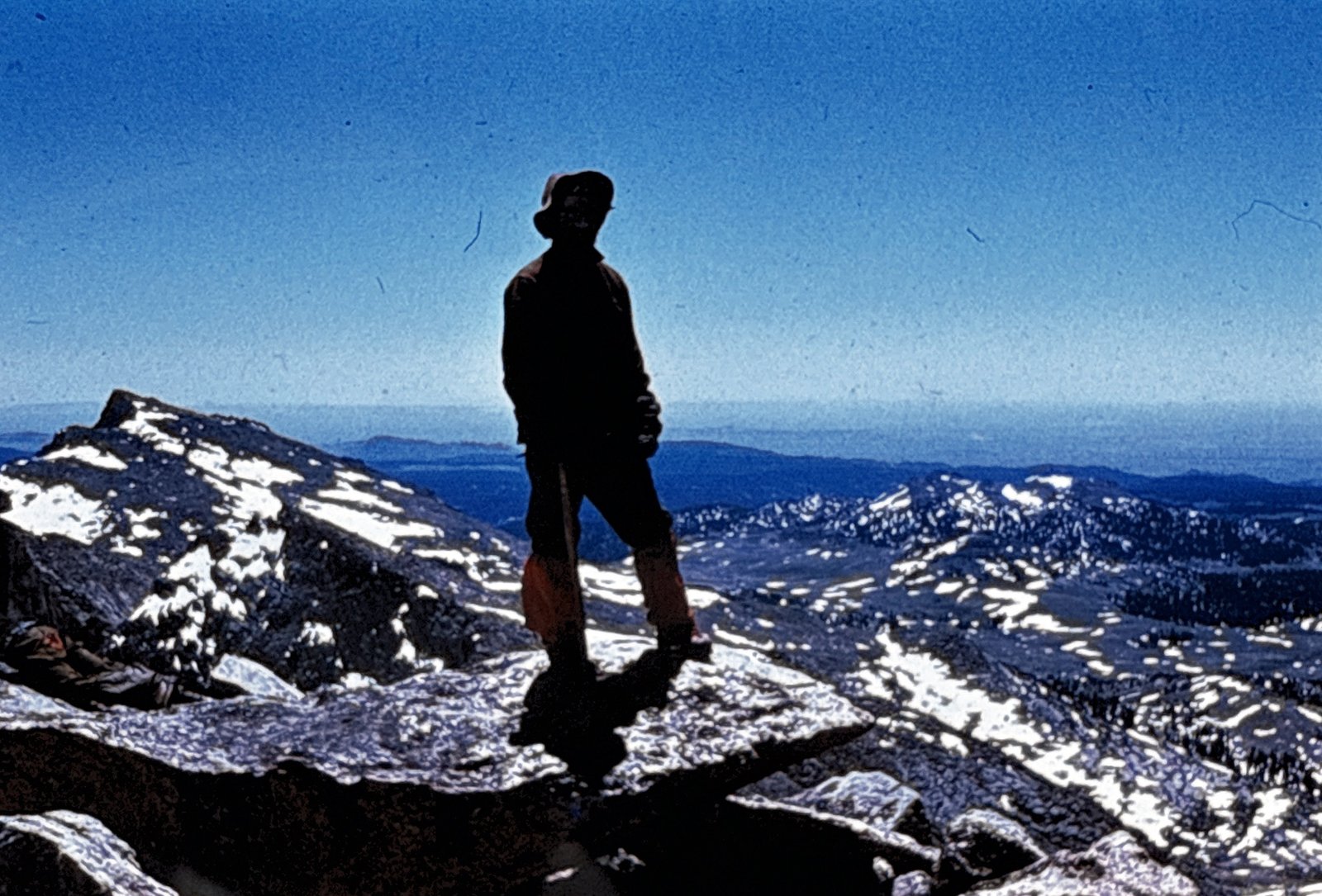
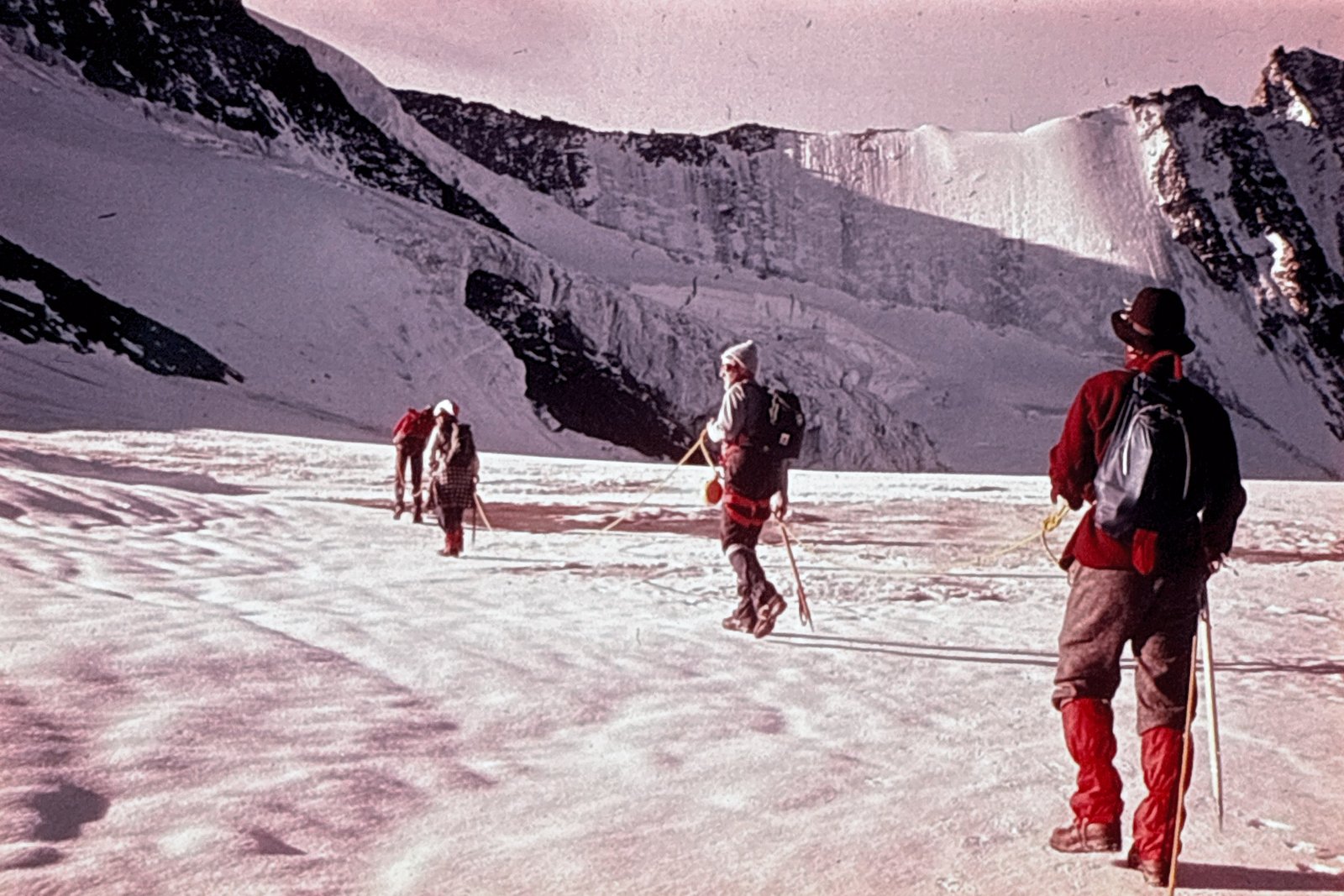
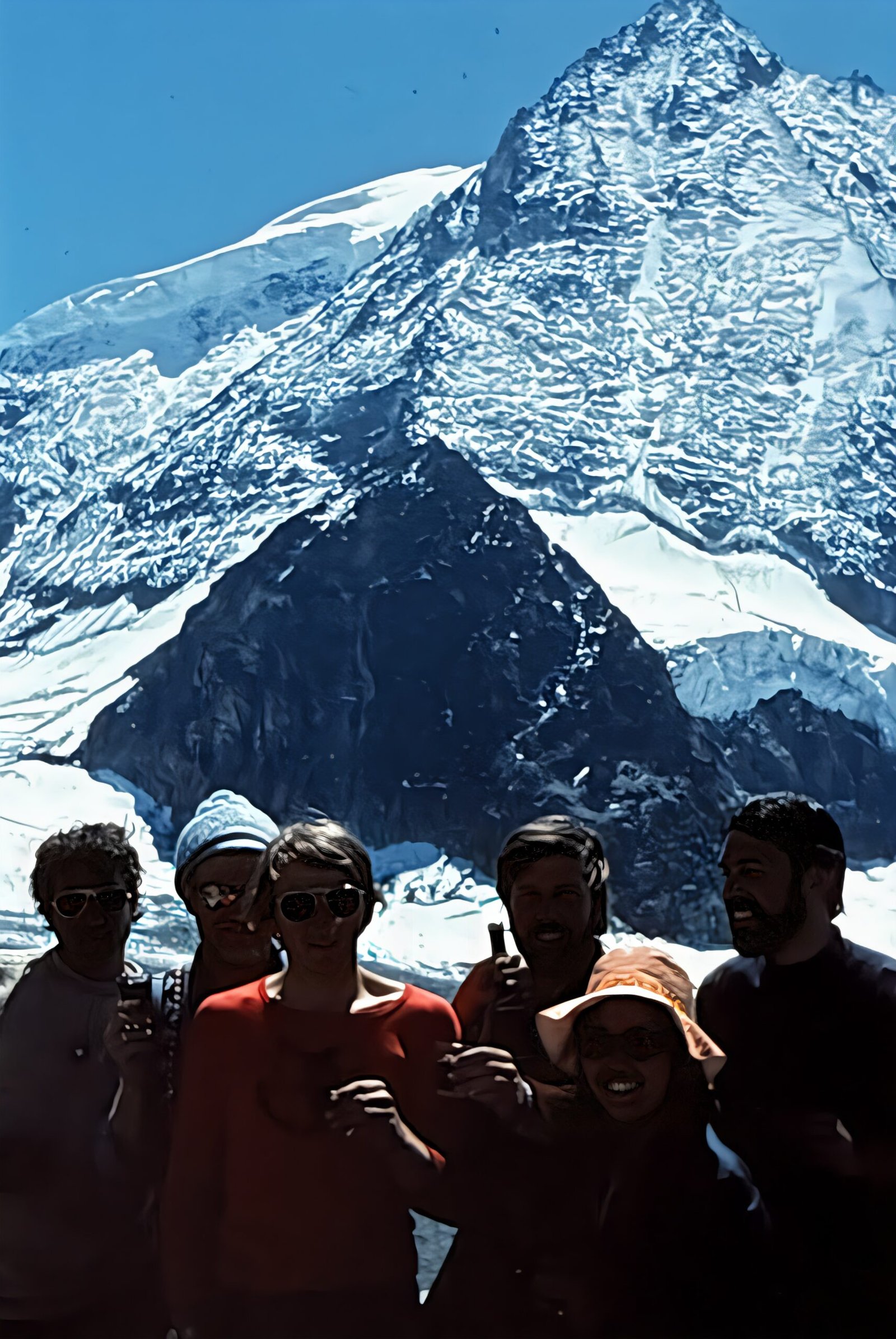

"I went to the woods because I wished to live deliberately, to front only the essential facts of life, and see if I could not learn what it had to teach, and not, when I came to die, discover that I had not lived."
Shaping Minds at Ferrum College (1973–2008)
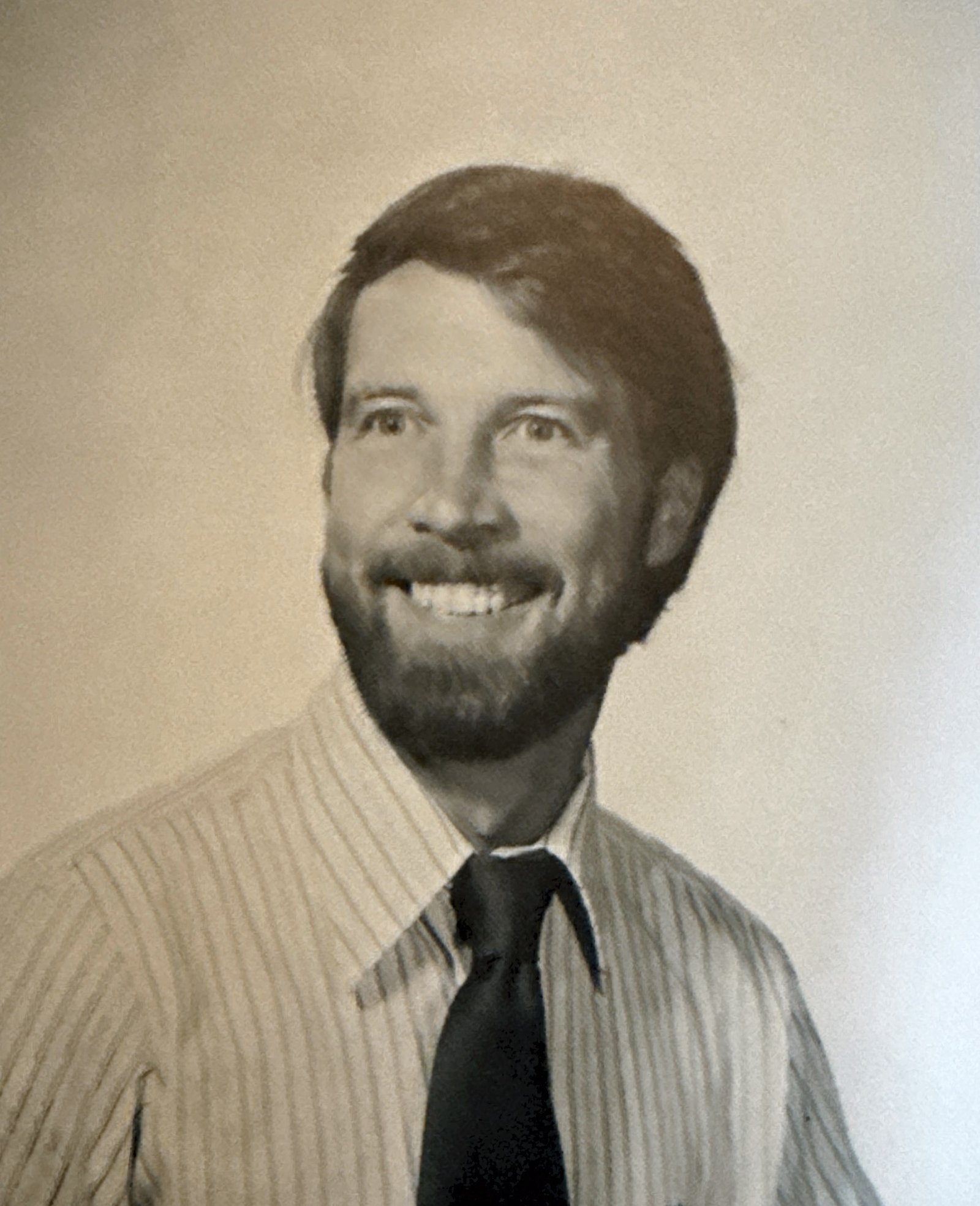
Pete’s academic journey took him through Davidson College, Florida State University, and ultimately Duke University, where he earned his PhD. In 1973, he joined the faculty of Ferrum College in Virginia just as it was transitioning from a junior college into a four-year institution. Over the next 35 years, Pete helped build the college’s academic identity from the ground up.
He served as the long-time chair of the Languages and Literature Division, ran the Composition Center, and in 1998, established his most enduring contribution: The Appalachian Cluster. This immersive program sent students directly into historic coal towns and mountain communities to build, restore, and learn side-by-side with local residents. The program ran for more than two decades, profoundly shaping the lives of hundreds of students.
Pete’s deep immersion in these communities also inspired his celebrated nonfiction book, Do, Die, or Get Along: A Tale of Two Appalachian Towns, which chronicled the lives and history of St. Paul and Dante, Virginia.
On May 4, 2013, after his retirement, Pete was named professor emeritus, along with four other long time faculty members.
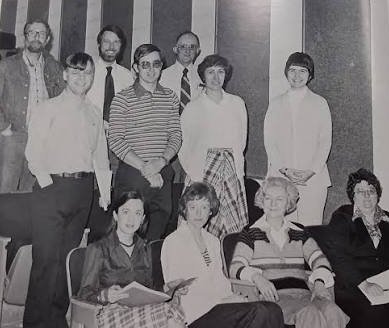
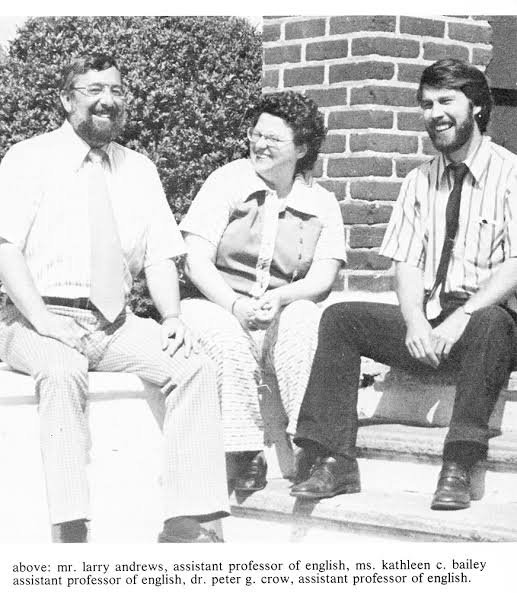
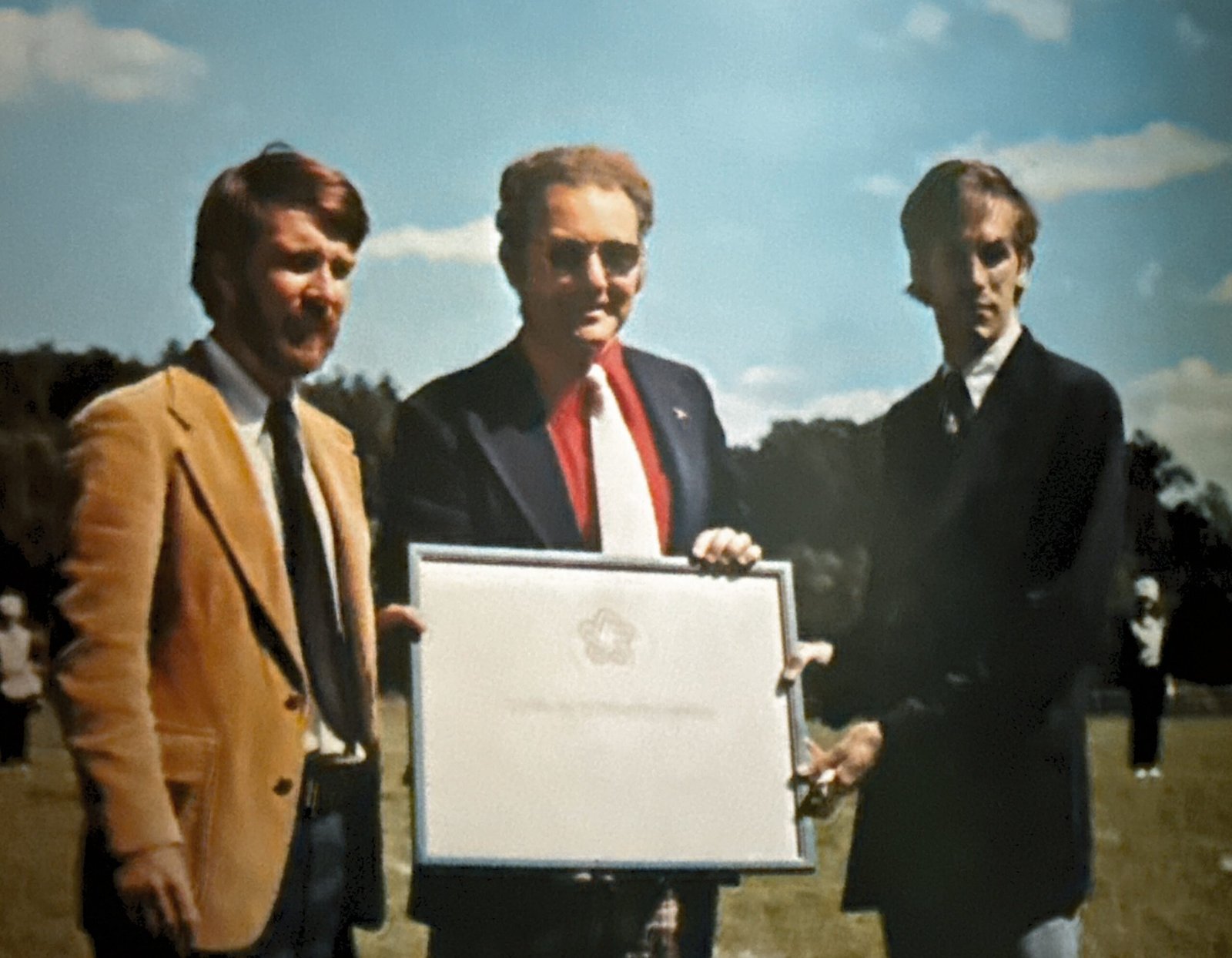
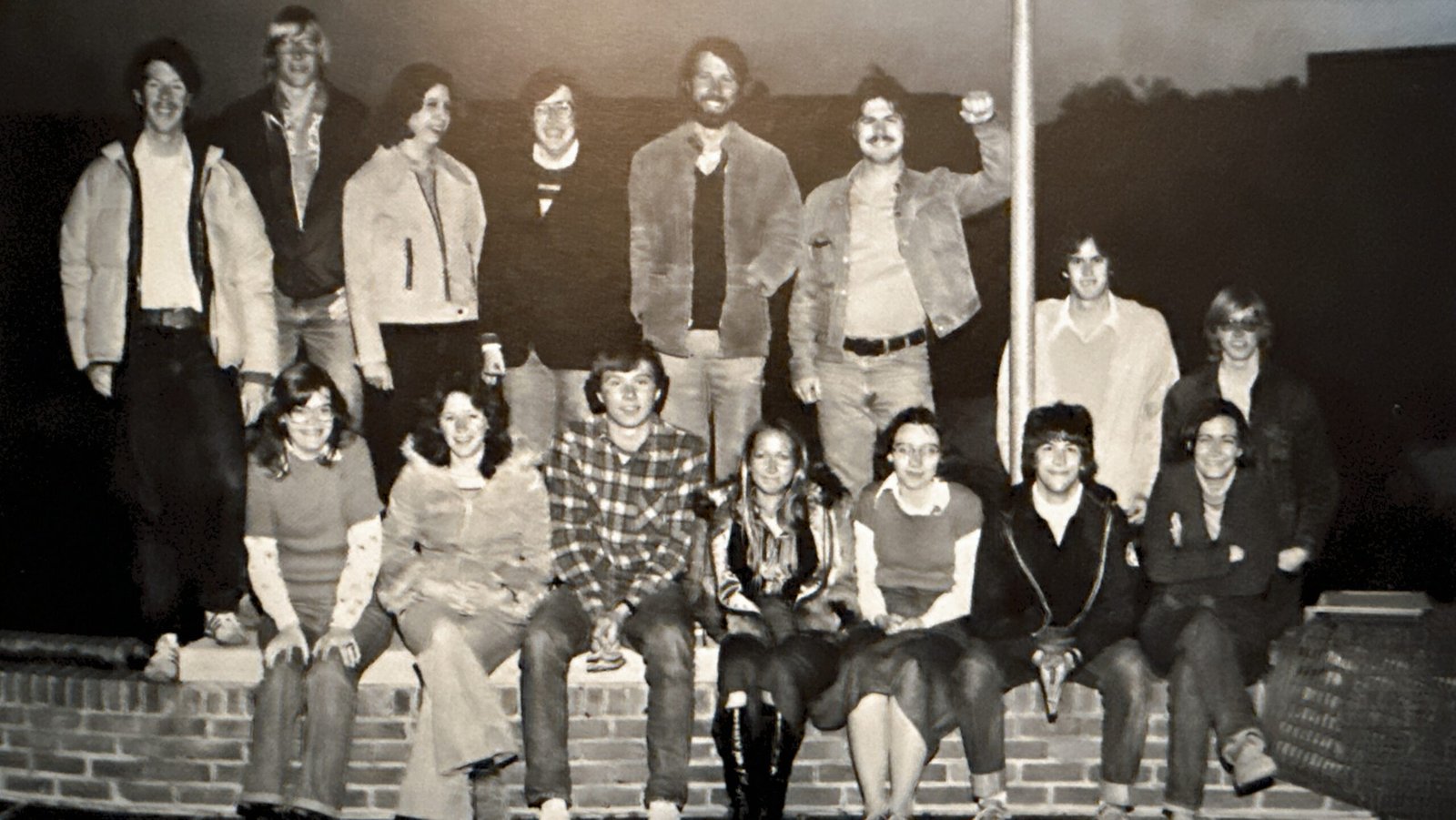
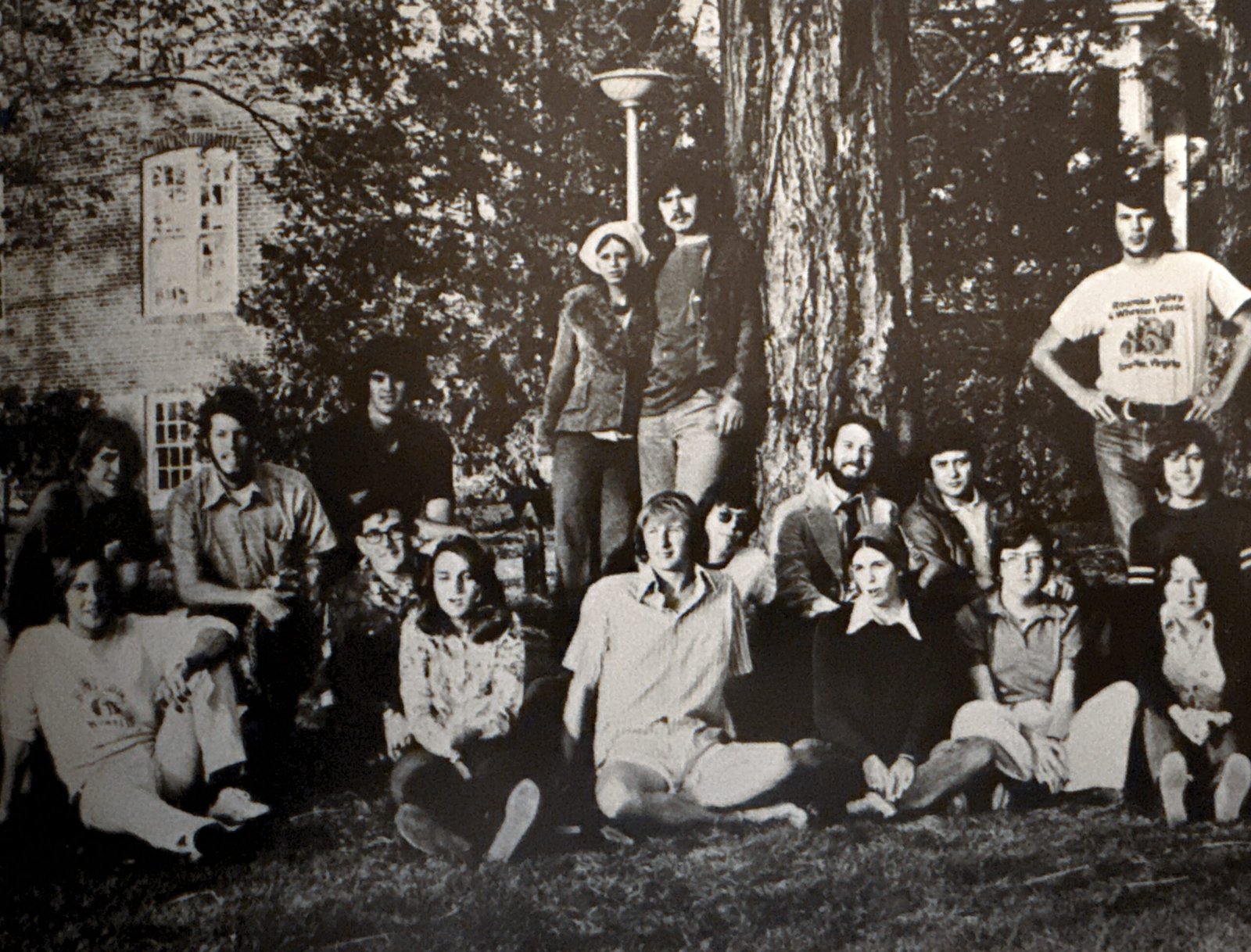
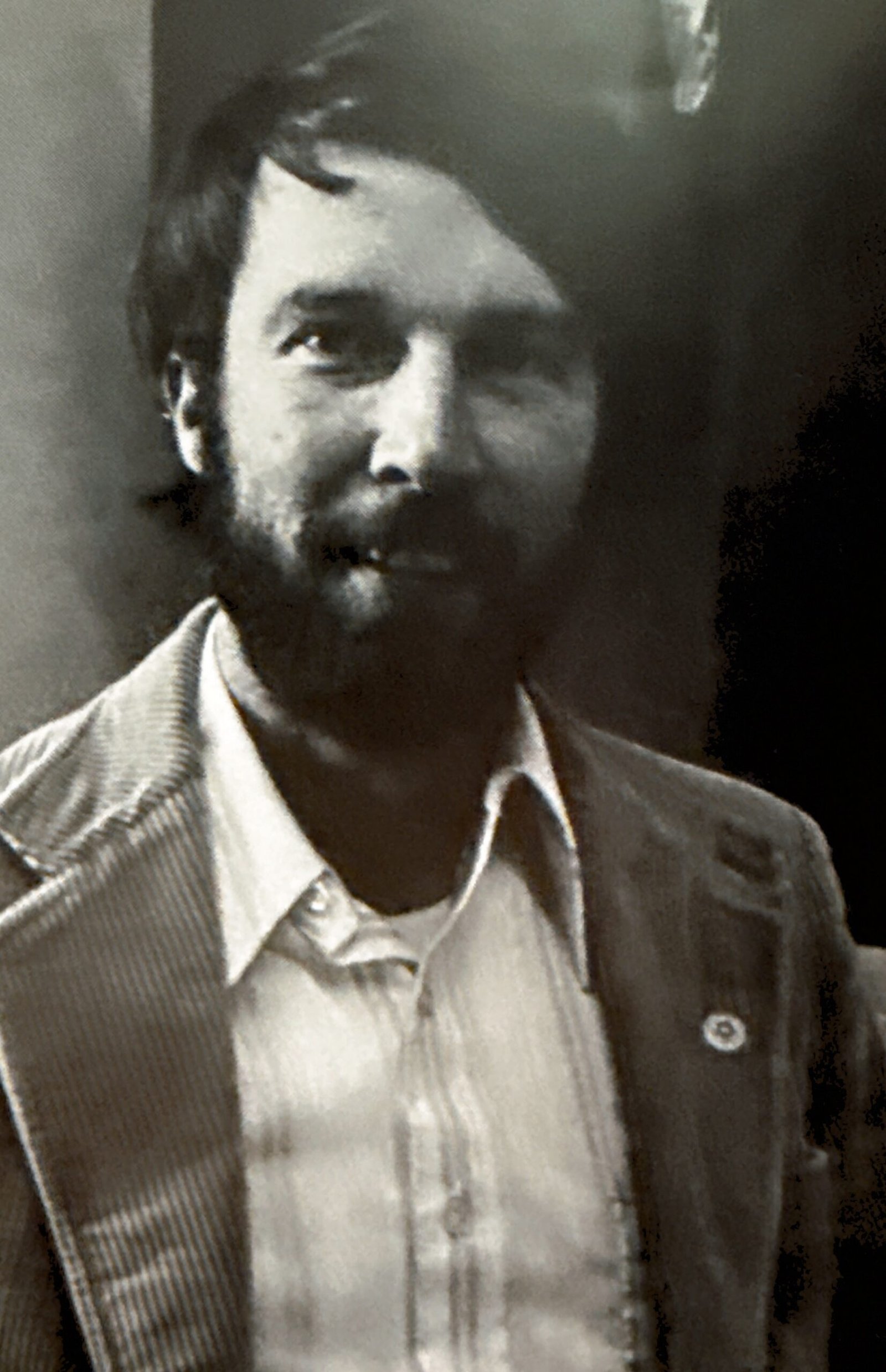
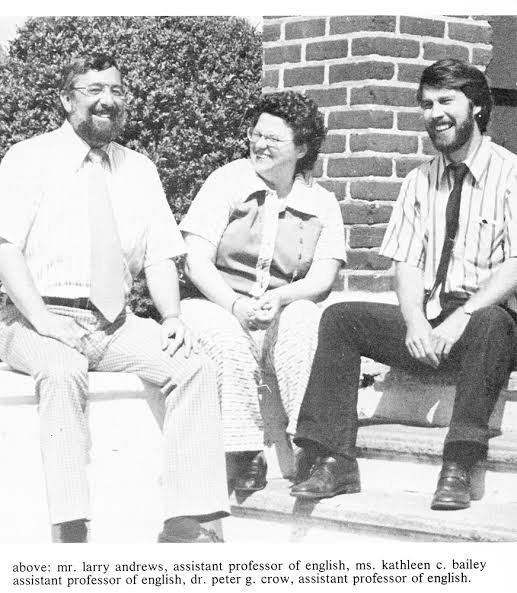
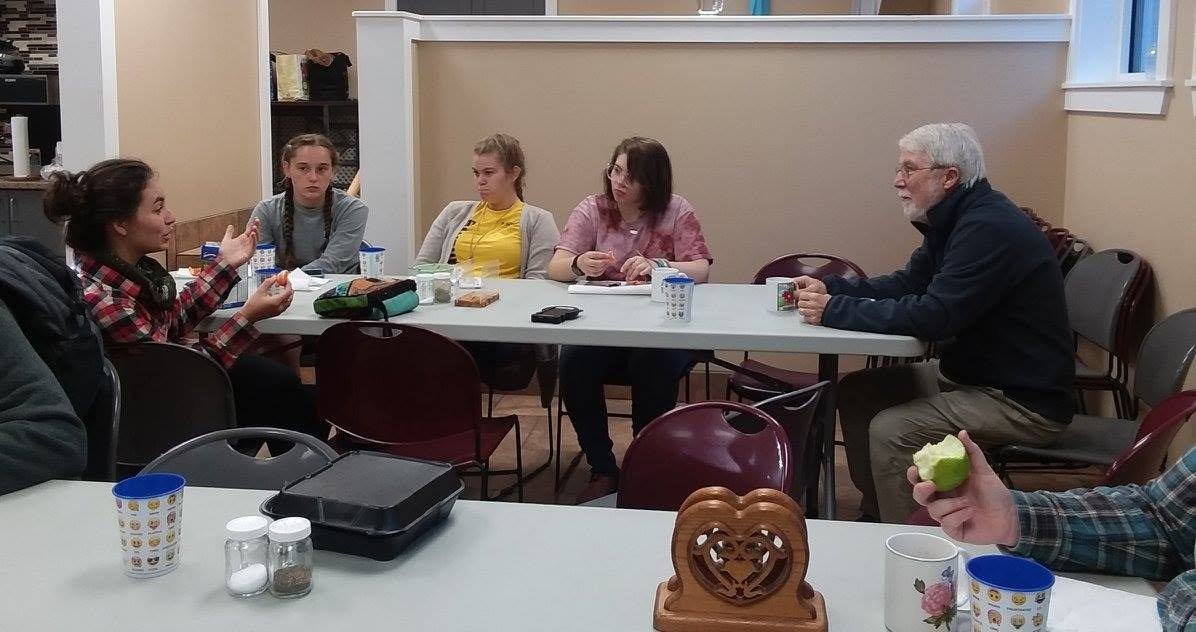
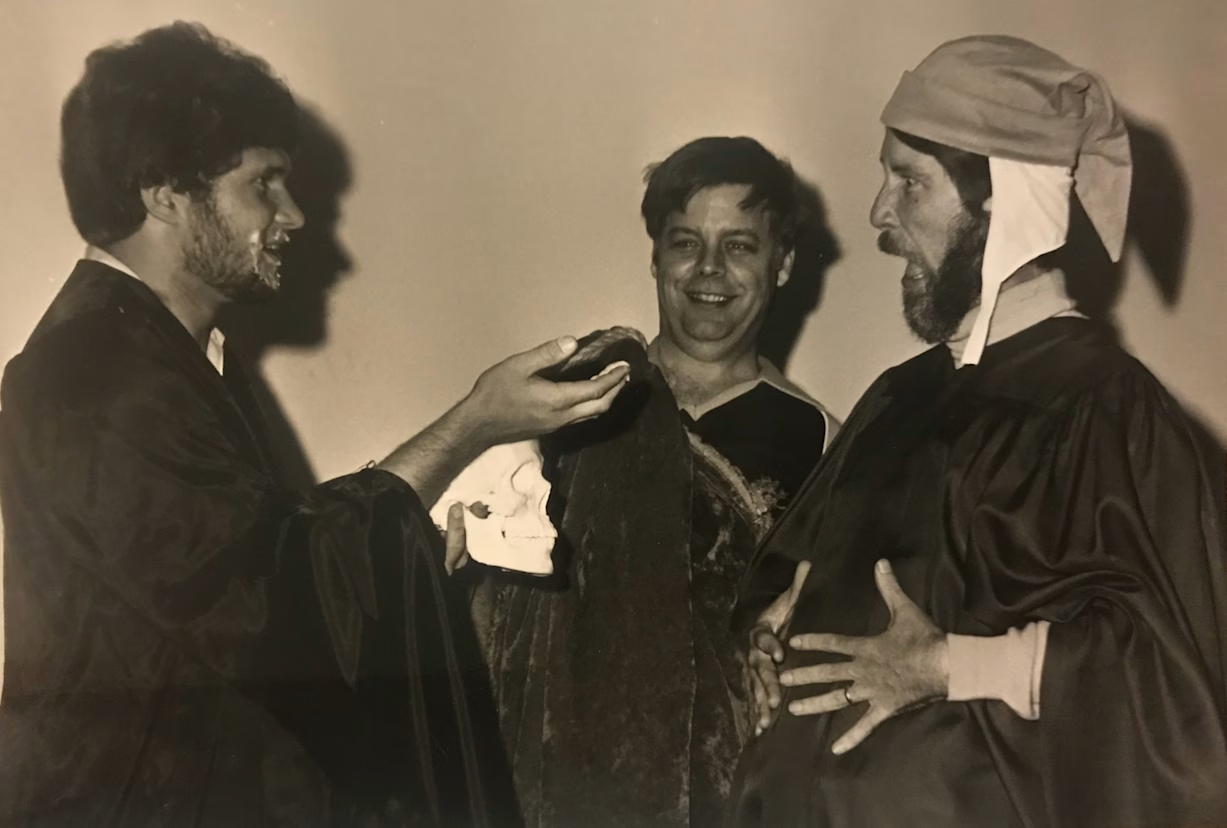
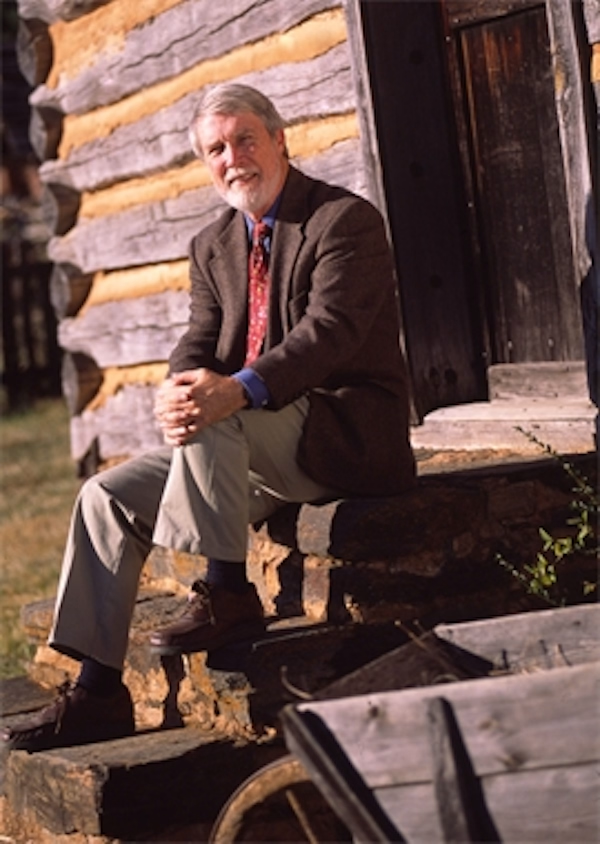
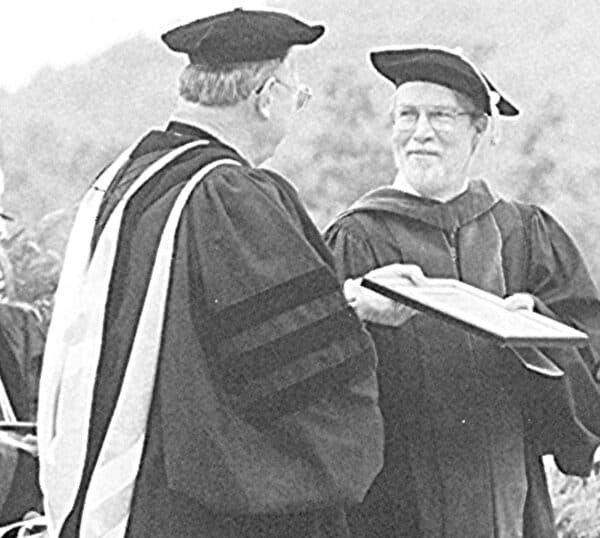
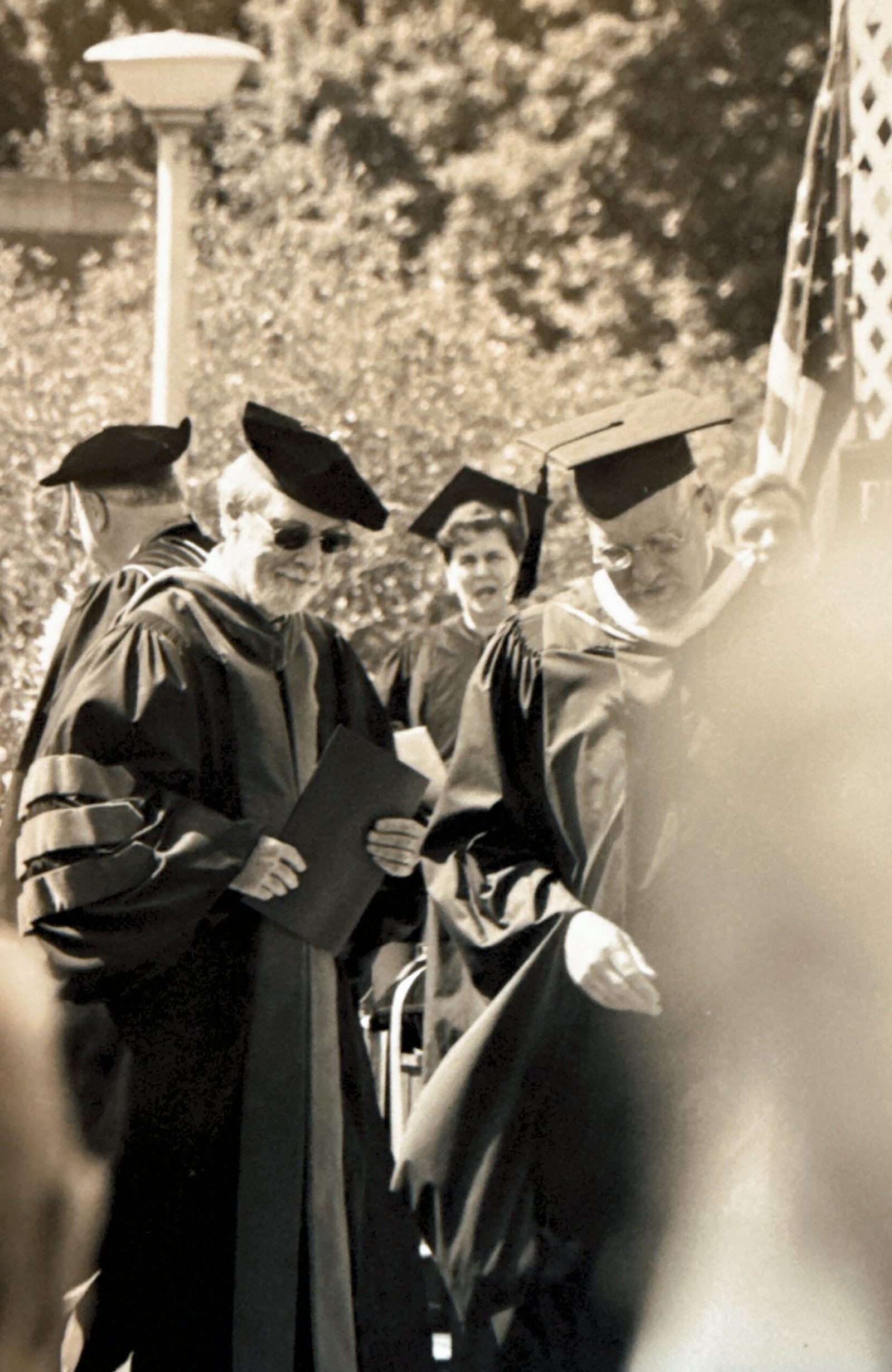
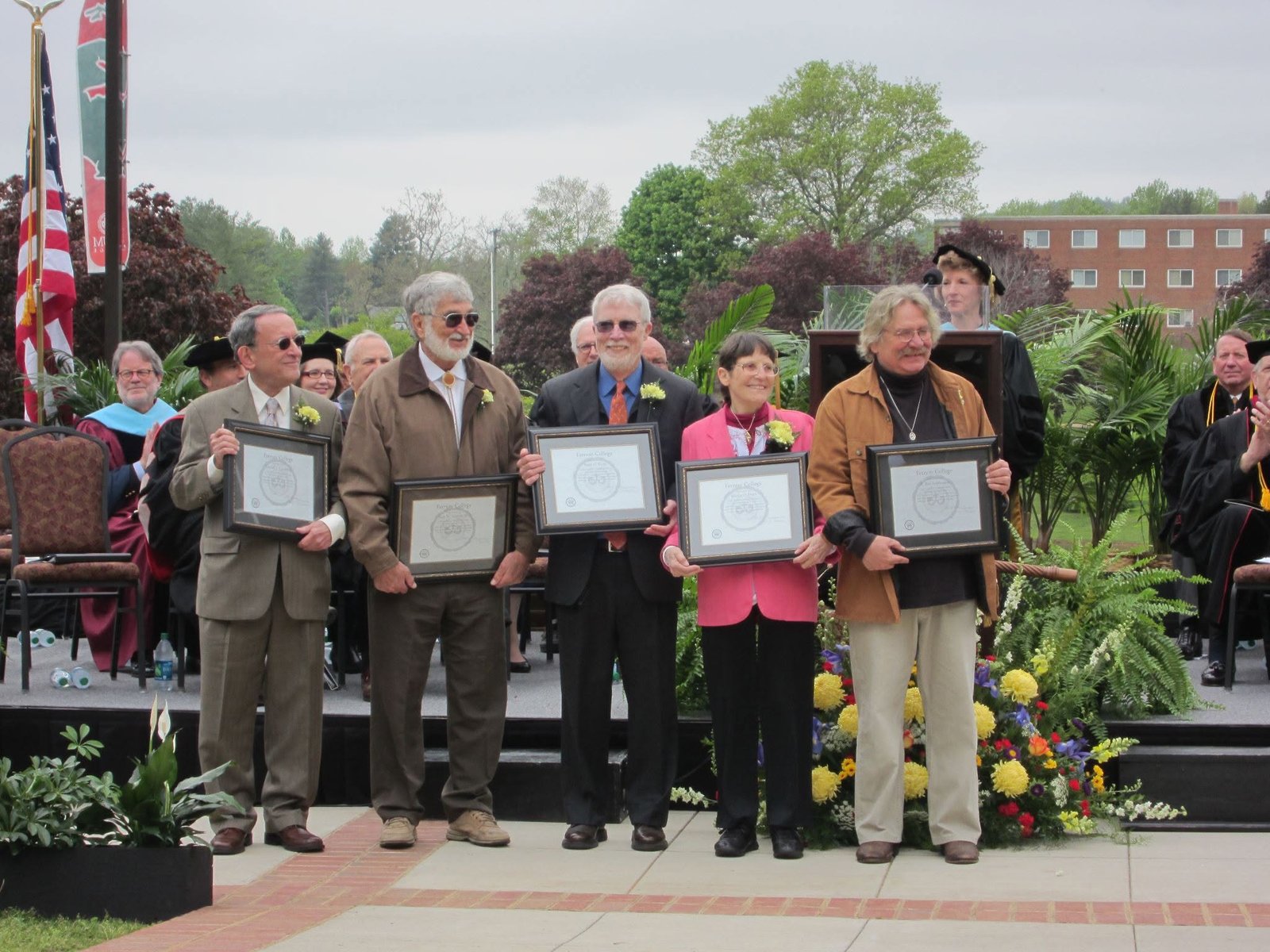
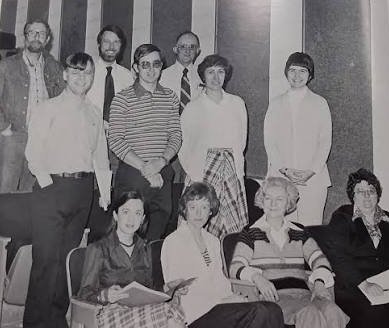
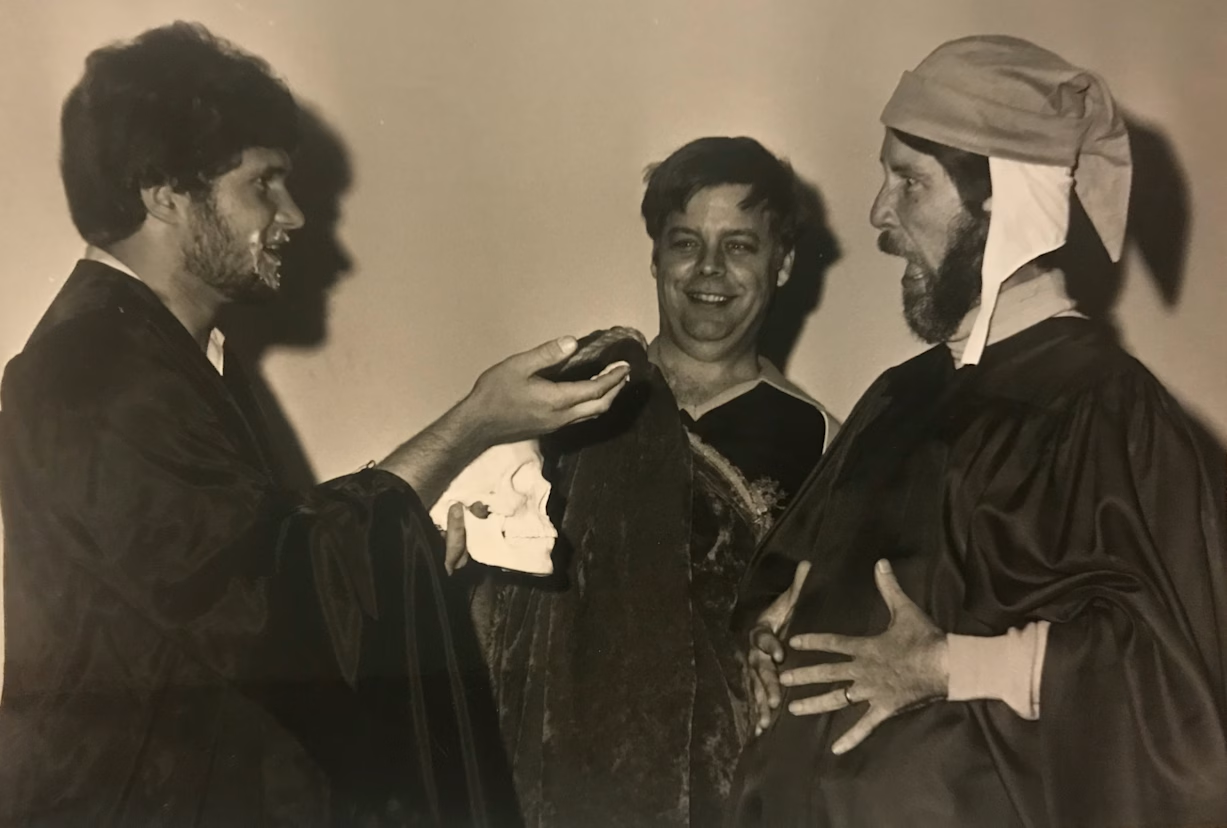
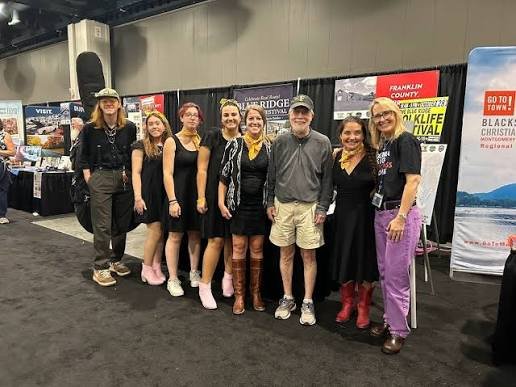
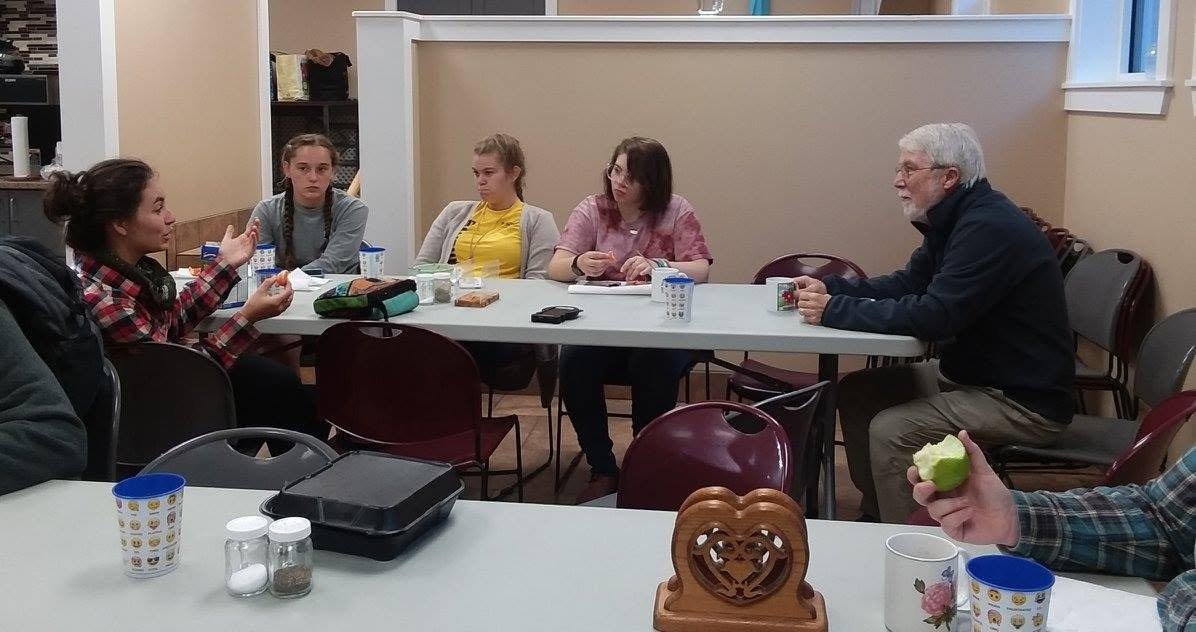
“Pete Crow was more than an extraordinary educator—he was a mentor, a colleague, and a friend to generations of Ferrum College students, faculty, and community members. His vision, dedication, and warmth helped shape the college into the vibrant, caring community it is today."
Defending the New River & Coaching the Griffins
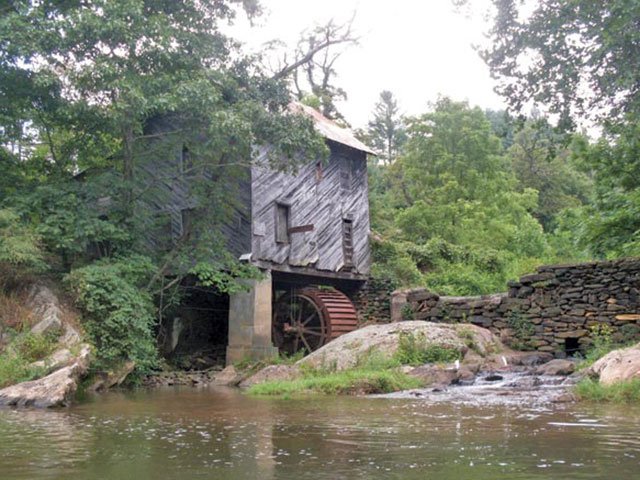
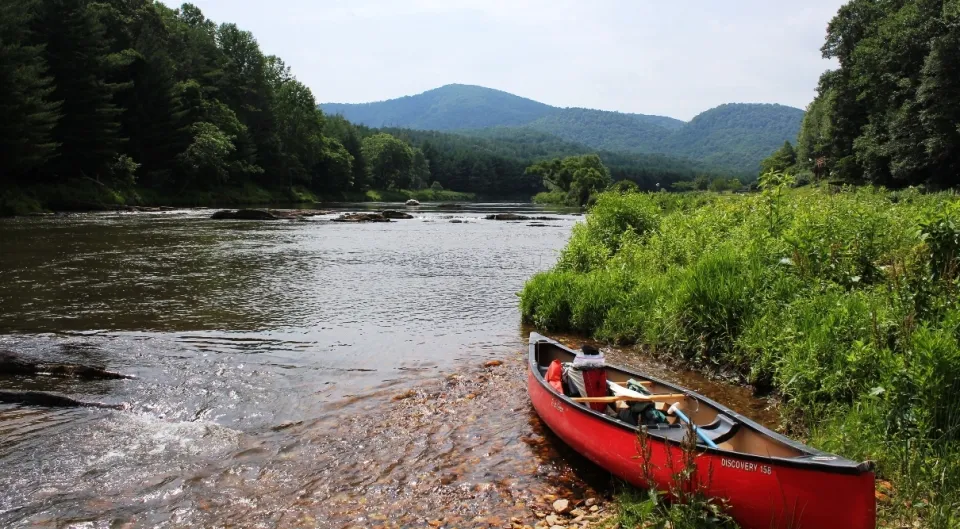
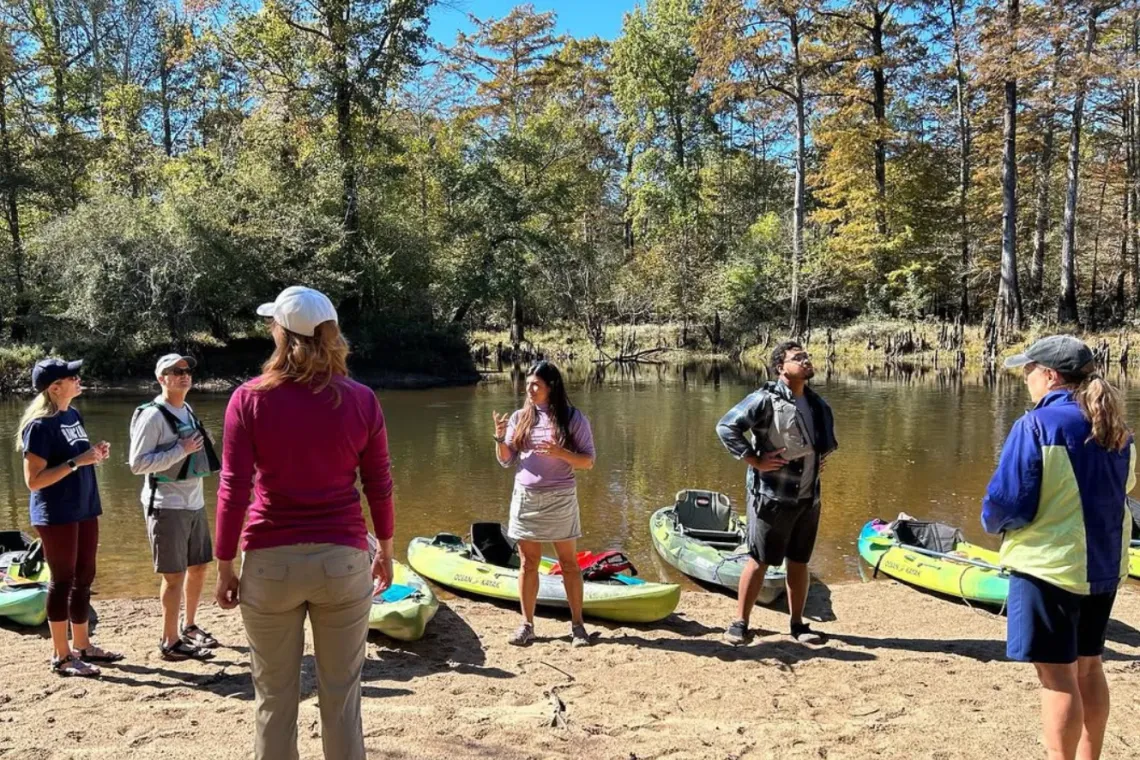
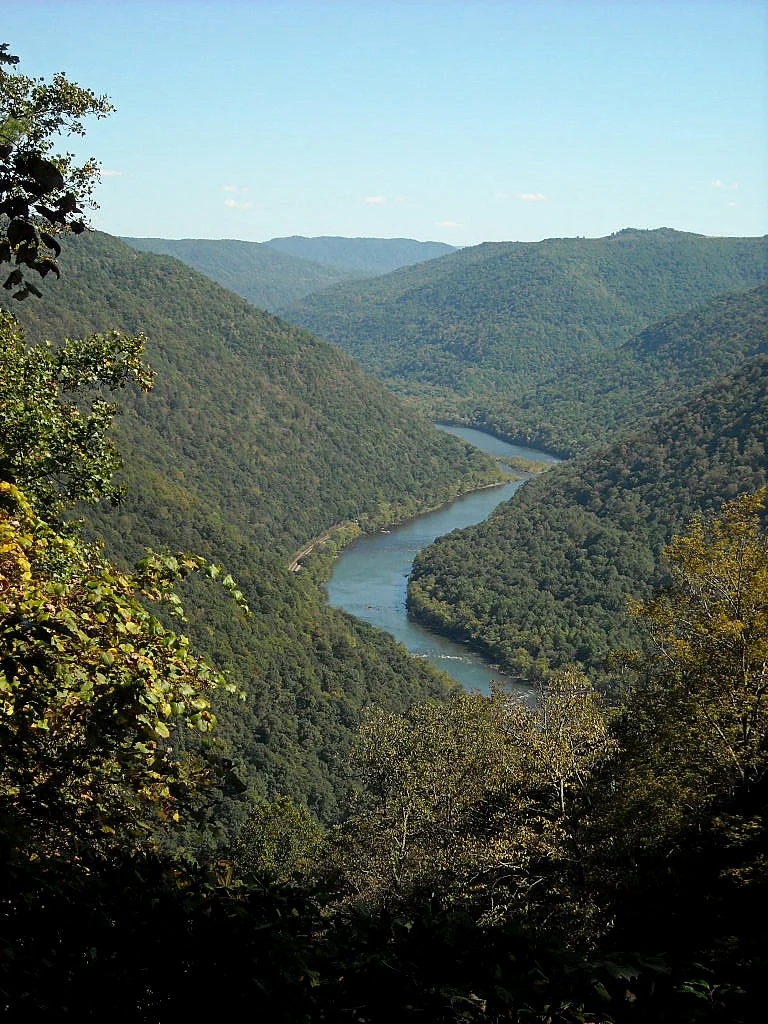
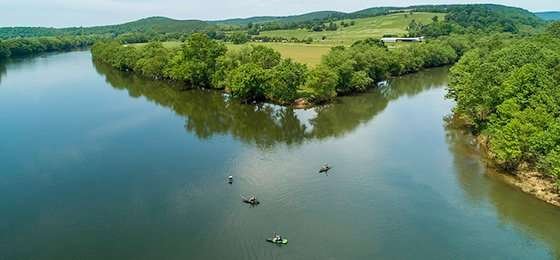
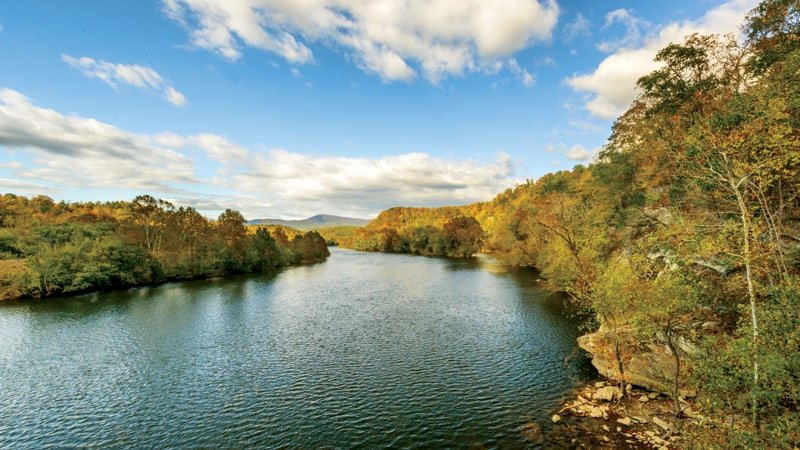
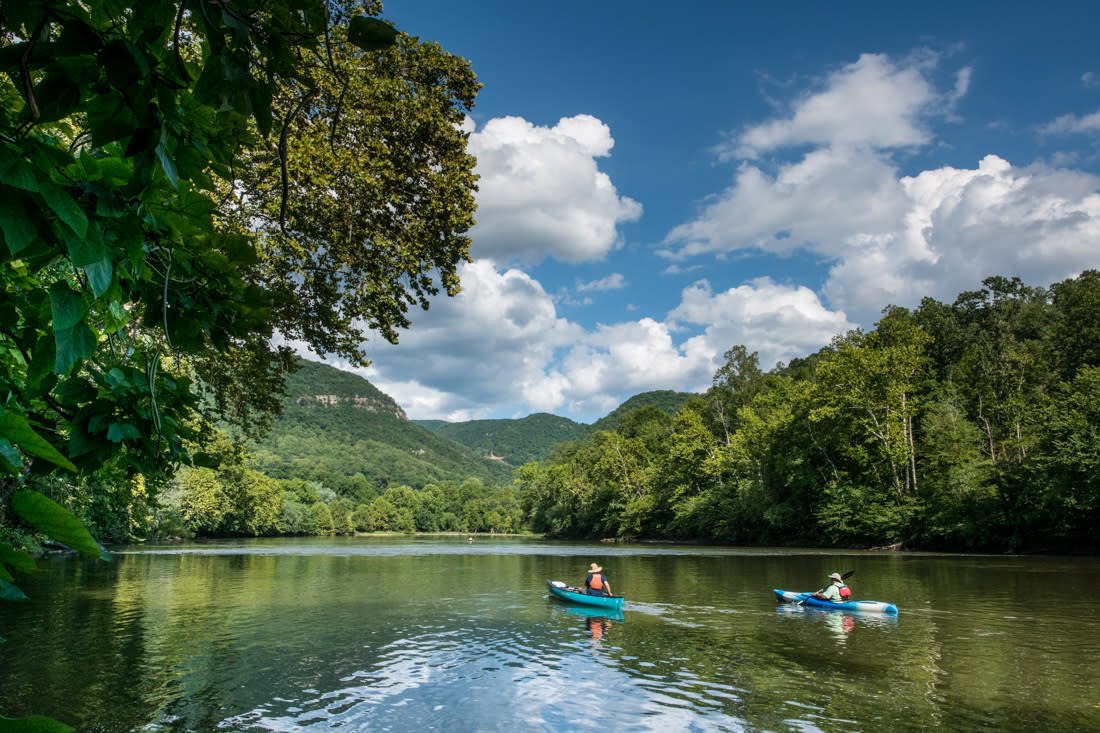
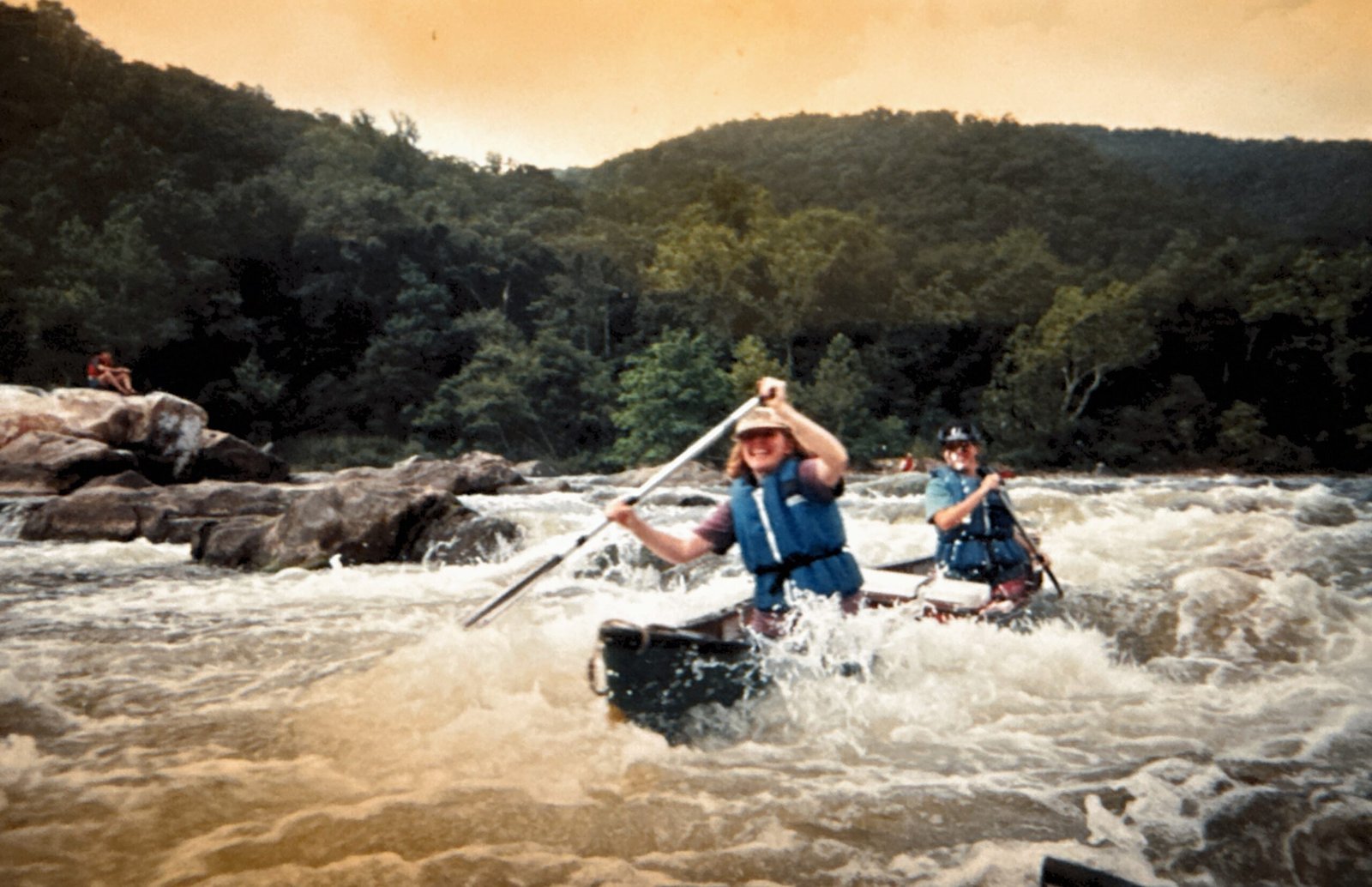
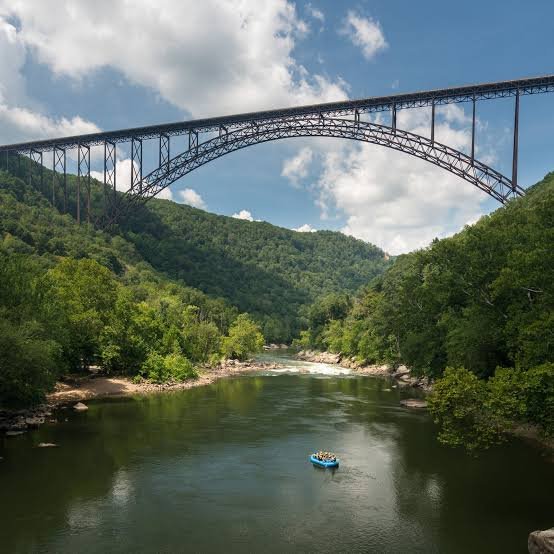
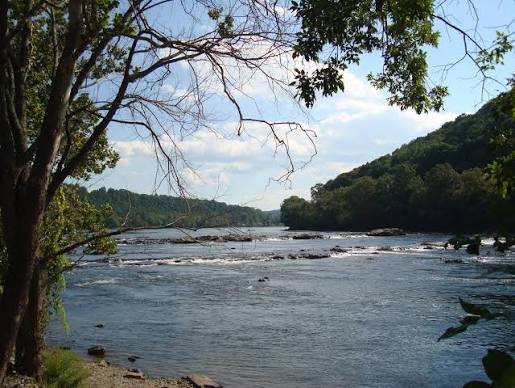
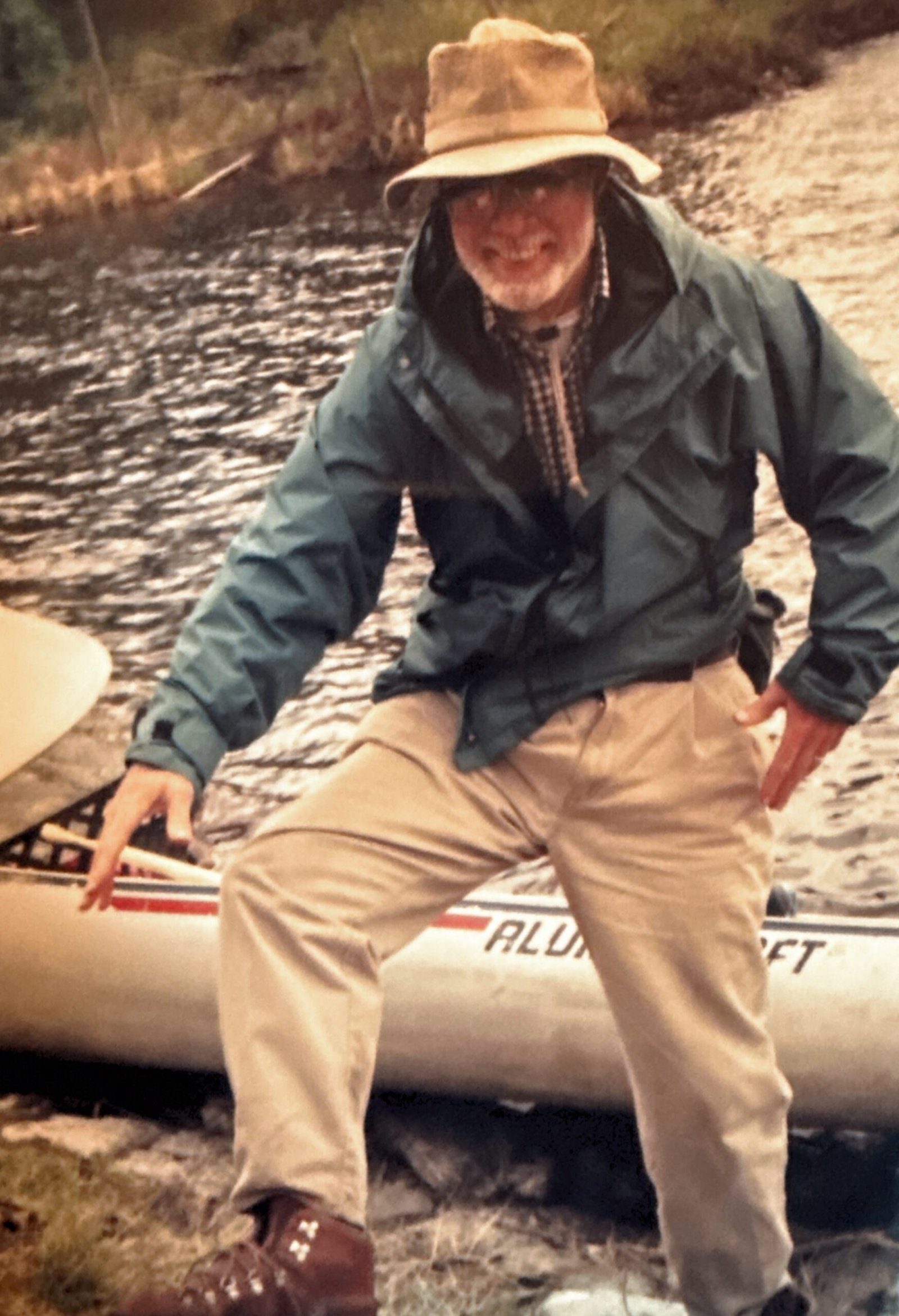
Pete’s love for nature was matched by his commitment to protecting it. In 1974, he worked alongside fellow volunteers to advocate against a proposed dam on Virginia’s New River. Their efforts, in conjunction with the New River Conservancy culminated in 1976 when President Gerald Ford signed the “New River” bill, preserving the river from construction by placing it into the National Wild and Scenic Rivers System. Pete spent the following decades leading youth white-water canoe trips down the very waters he helped save as part of a program with the Episcopal Diocese of Southwestern Virginia.
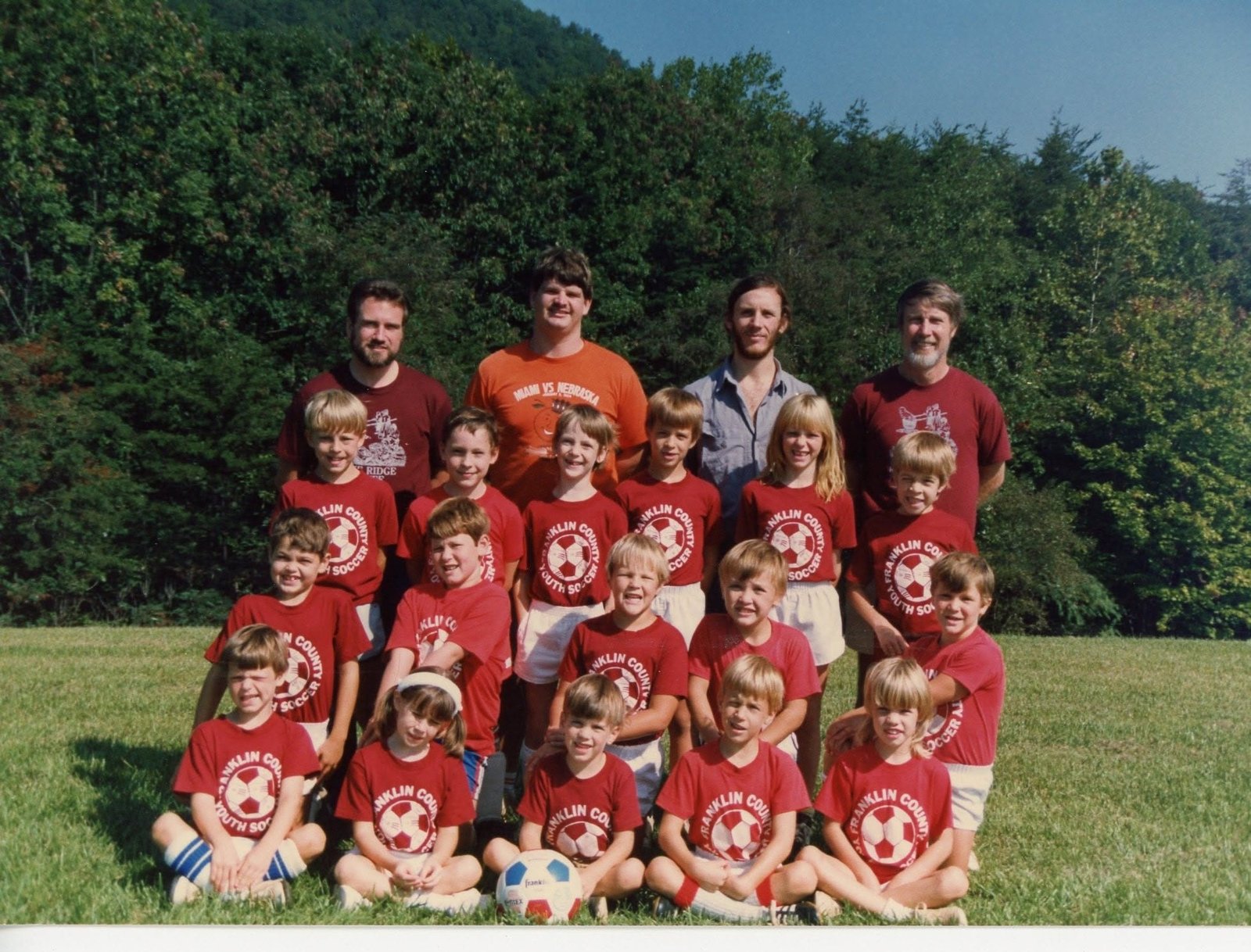
Pete also found a way to merge his love for kids, sports, and history on the soccer field. While coaching his son, Rob, Pete and a fellow Ferrum philosophy professor co-founded a traveling soccer team called the Franklin County Griffins. Pete drew on his knowledge of classical mythology to name the team. Because a griffin has the body of a lion and the head/wings of an eagle, they figured it was the perfect bridge between the Ferrum College Panther and the Franklin County High School Eagle—a lion and a panther being close enough!


"It's about finding what gives your particular life meaning,
embracing the challenges and convolutions."
Active Retirement & Global Justice
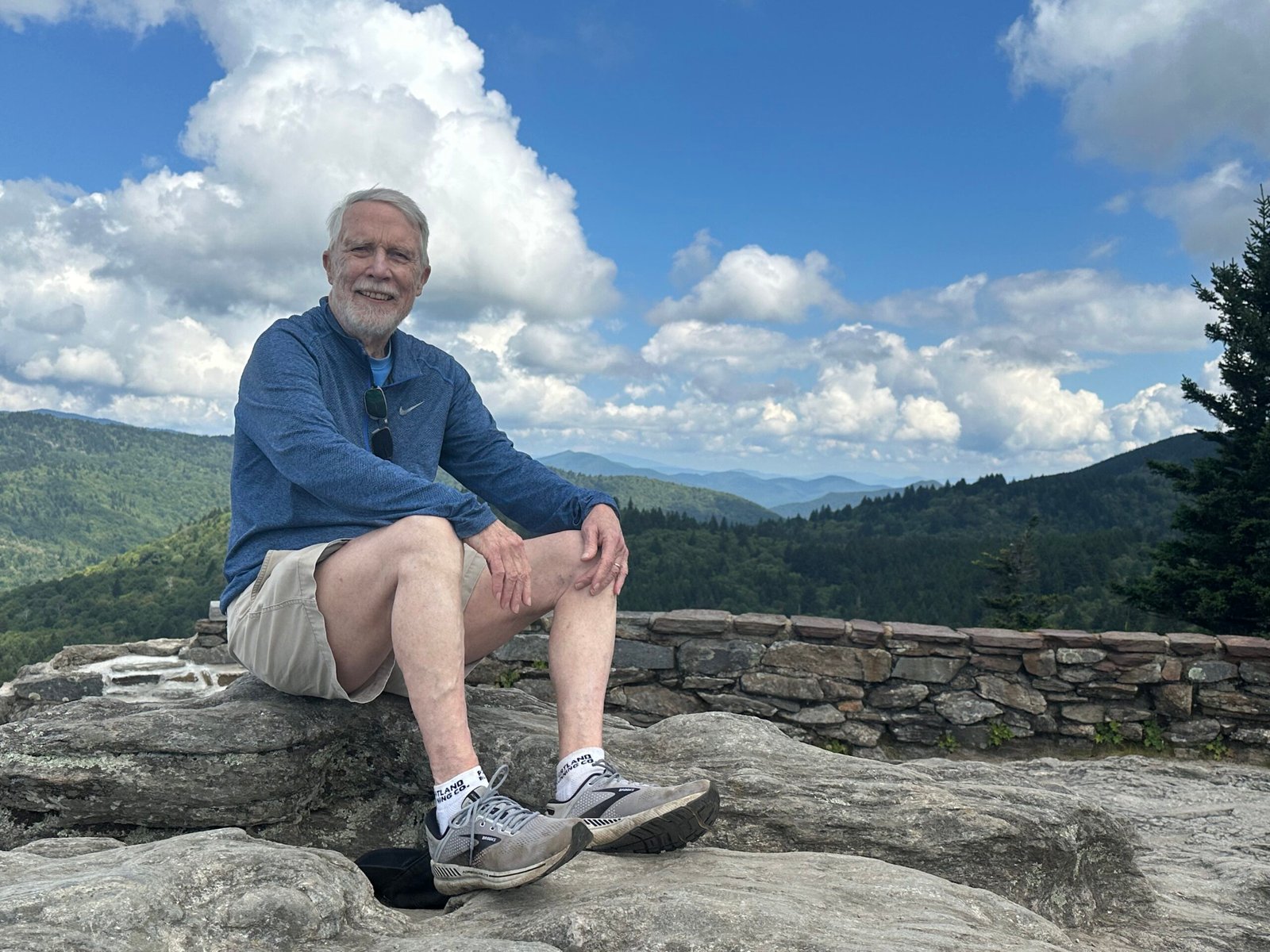
After retiring in 2008, Pete and Beth moved to Raleigh, North Carolina, where Beth took a position with the Episcopal Diocese of North Carolina. Rather than slowing down, Pete eagerly found new ways to serve. He learned Spanish to tutor adults in English as a Second Language (ESL) and volunteered in Amy’s third-grade classroom, supporting her students, particularly the Hispanic students.
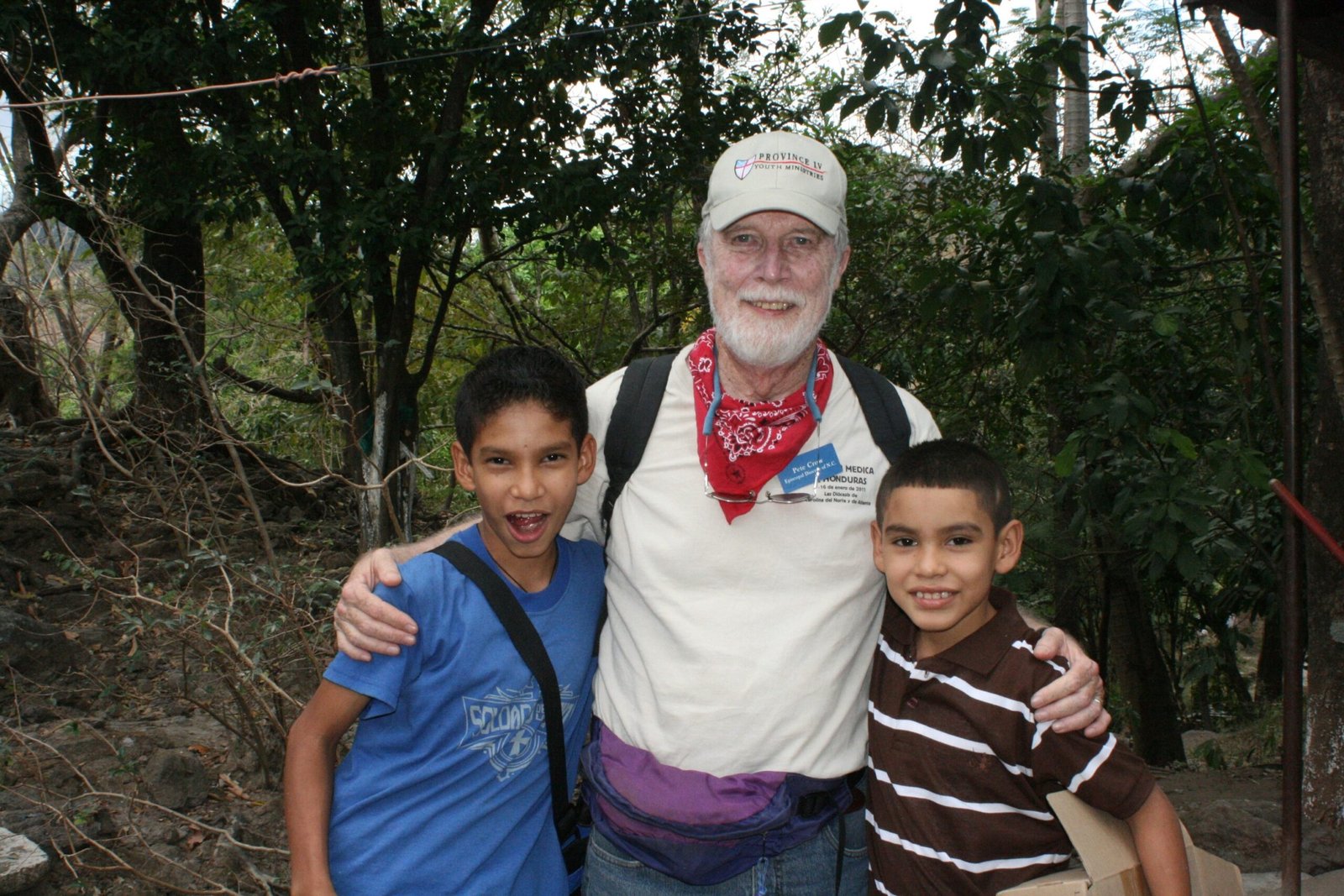
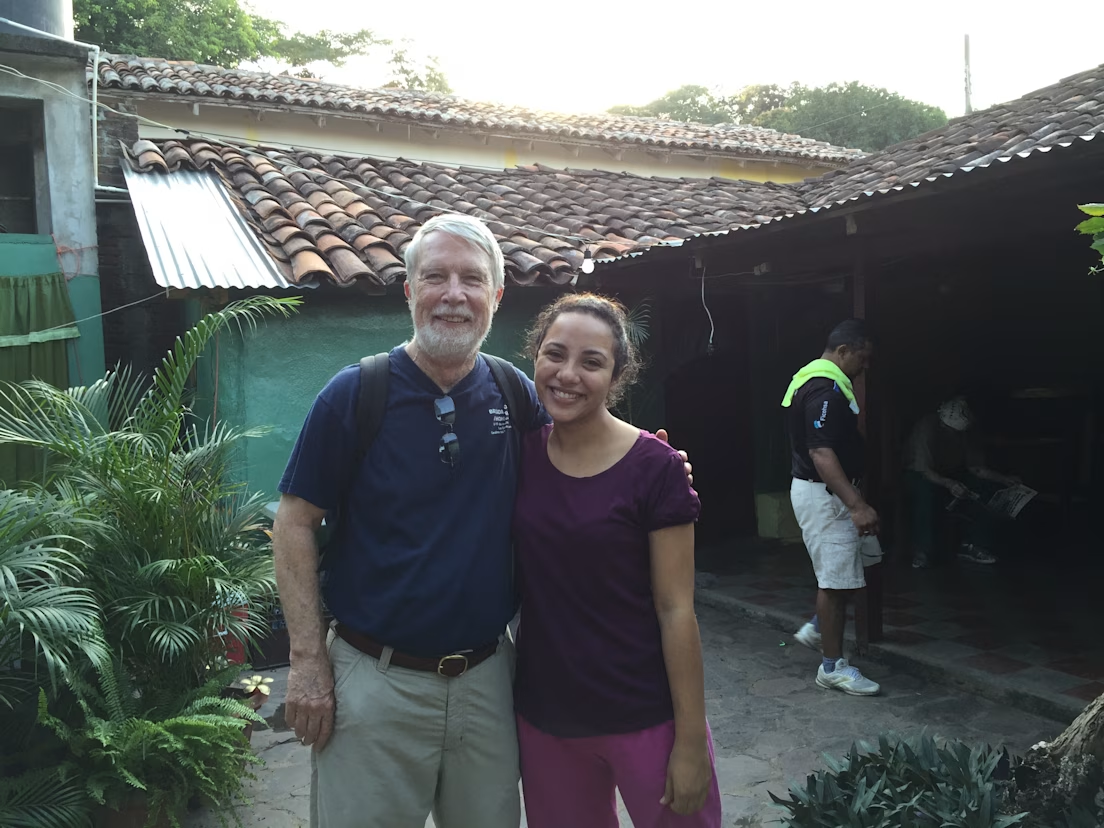
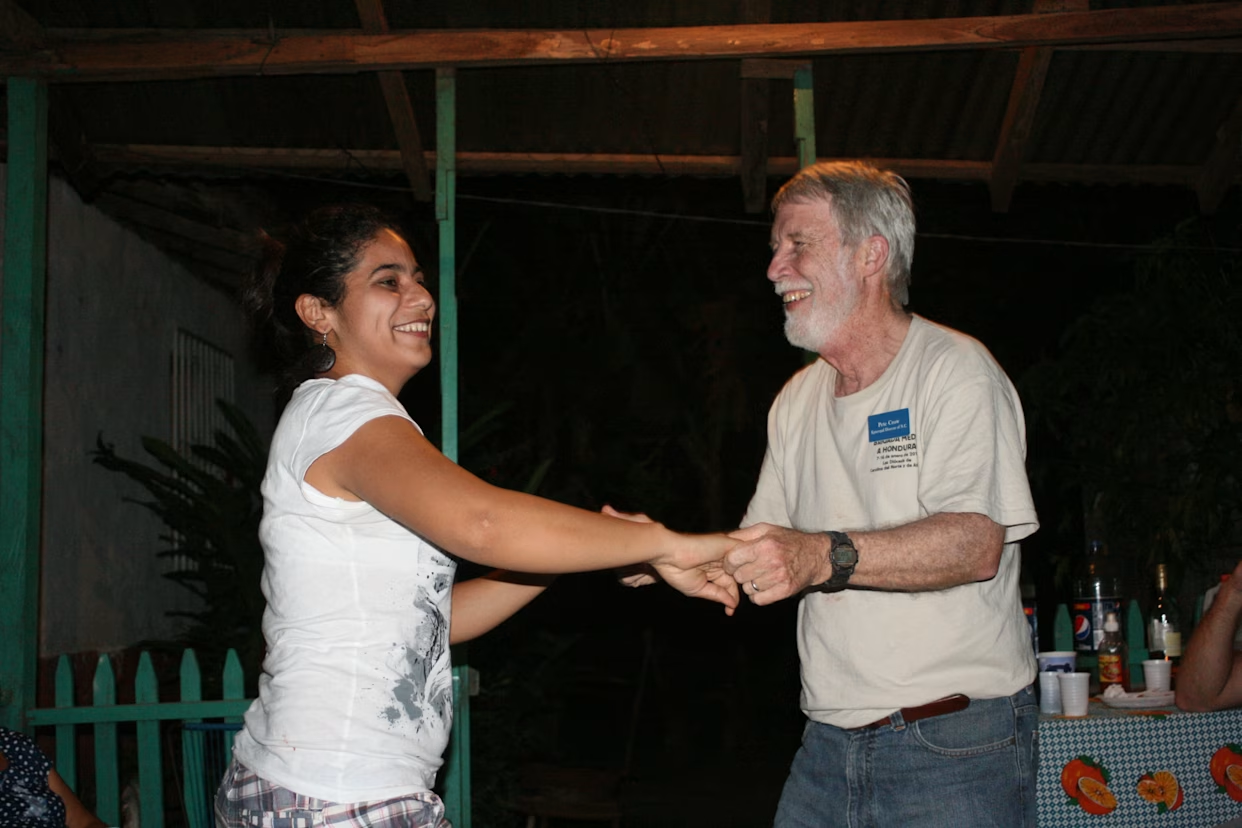
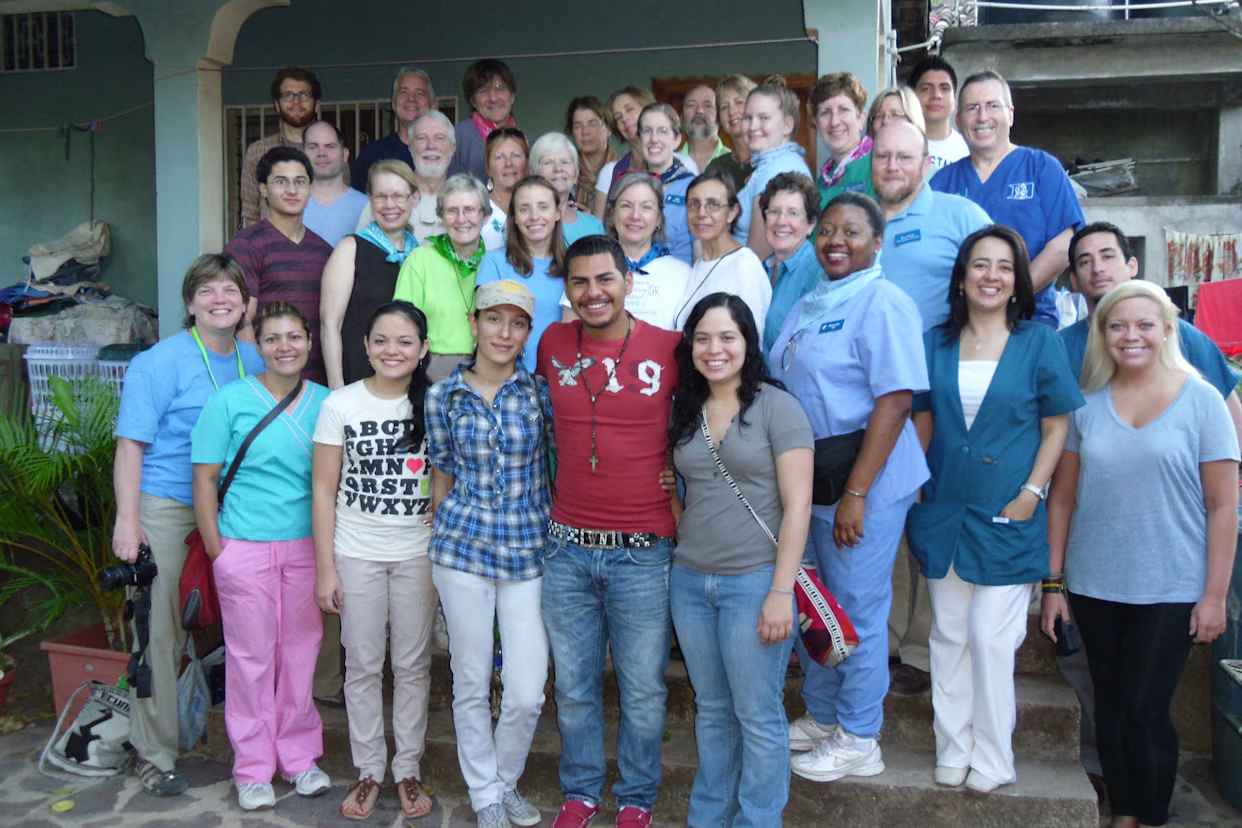
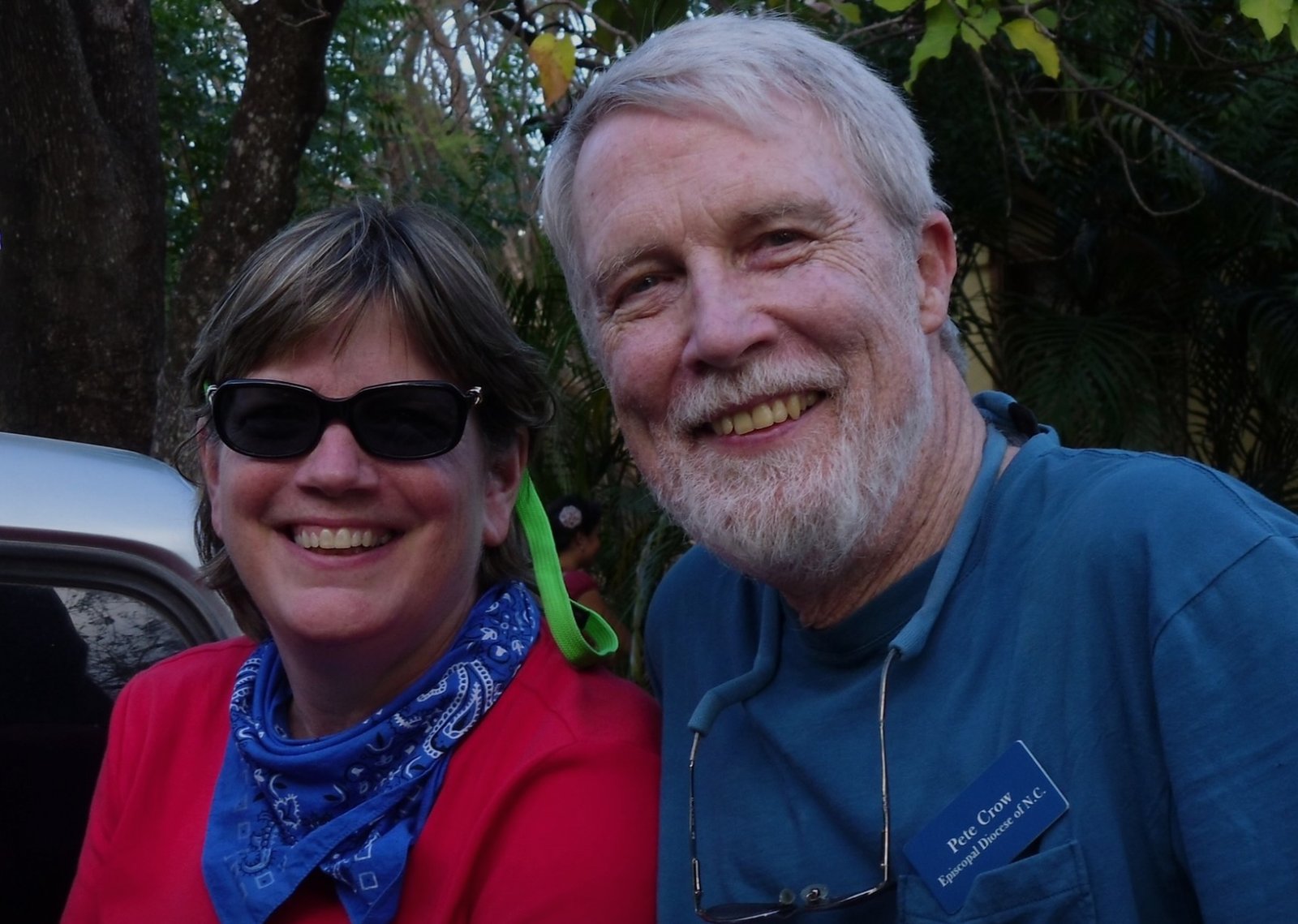
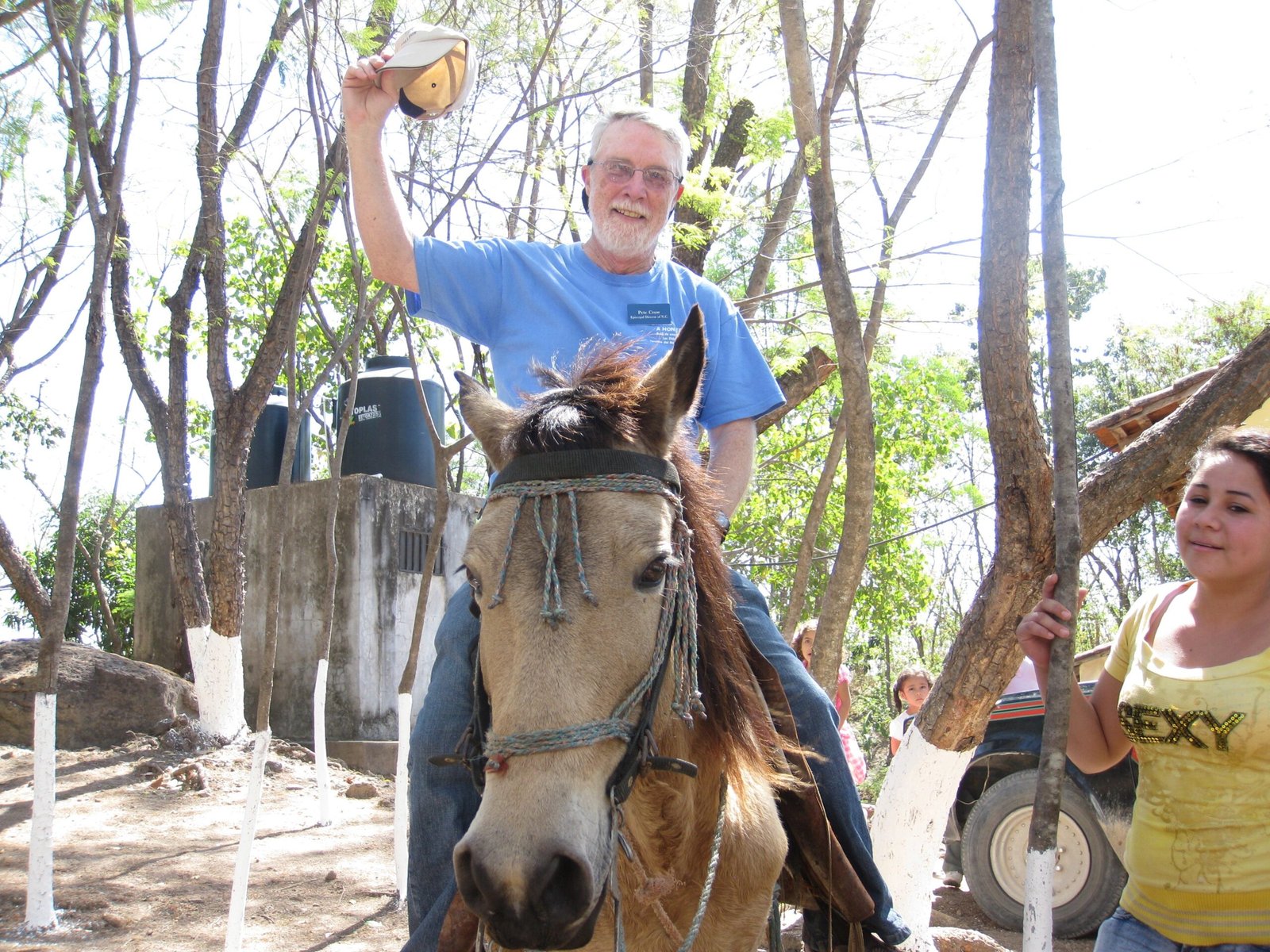
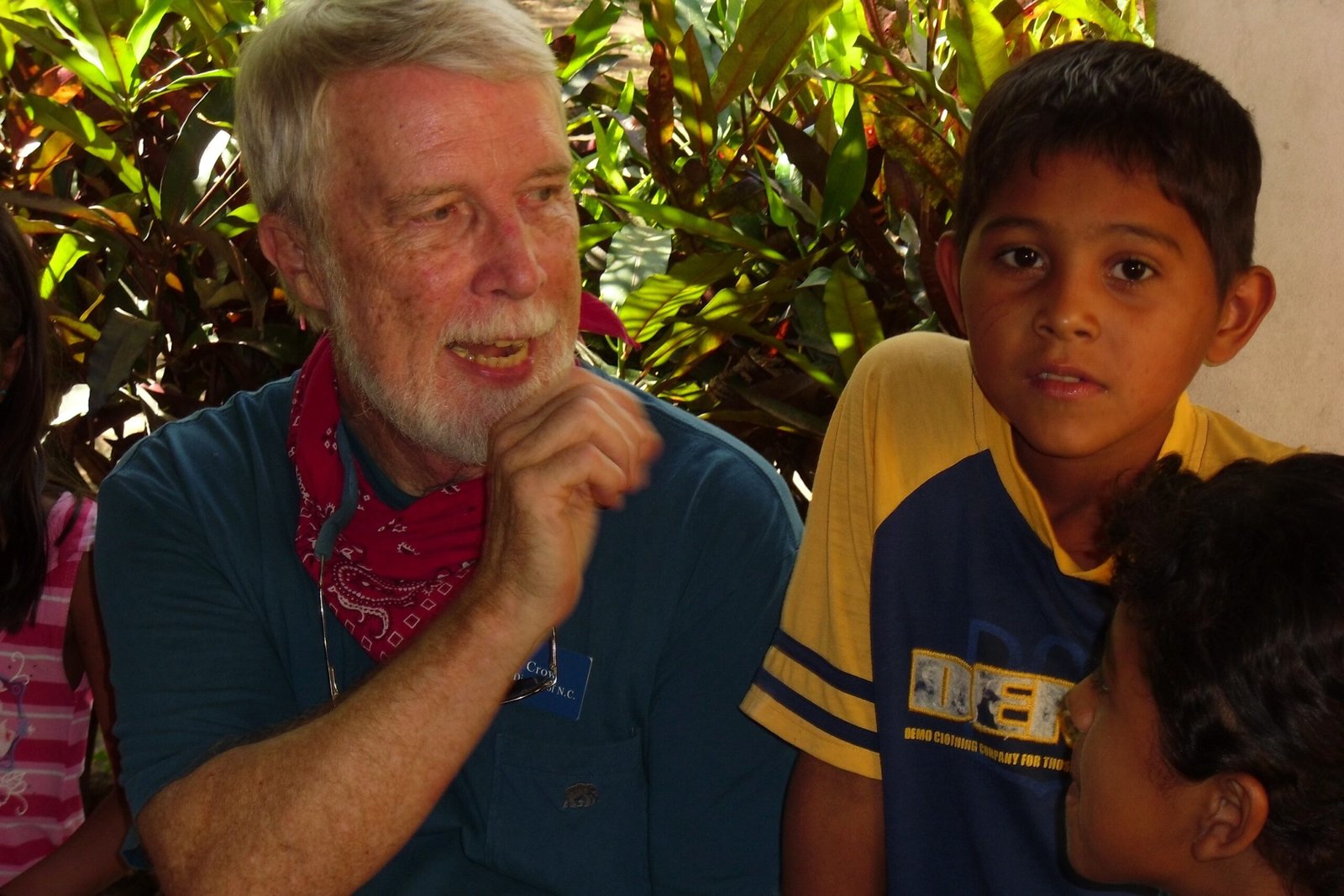
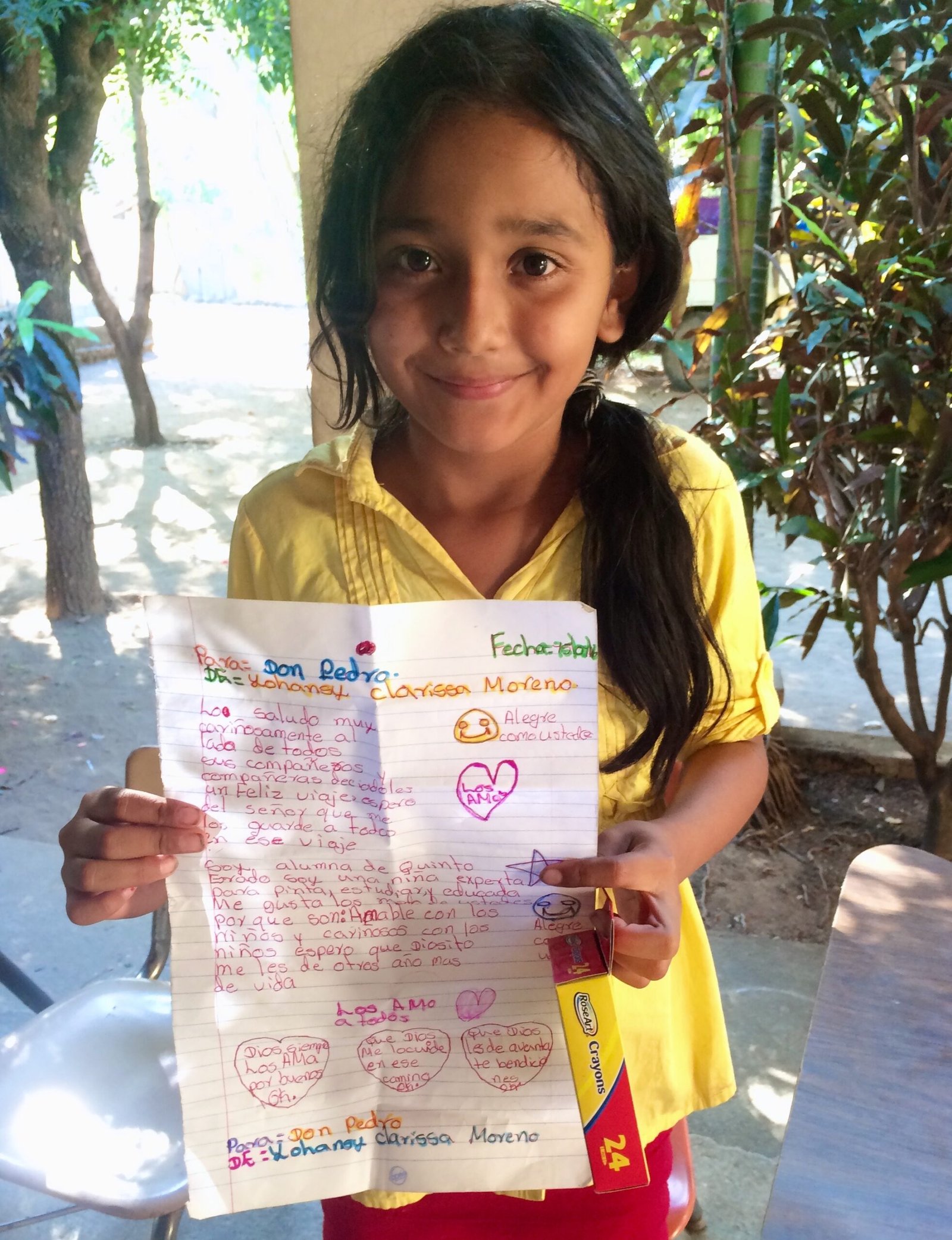
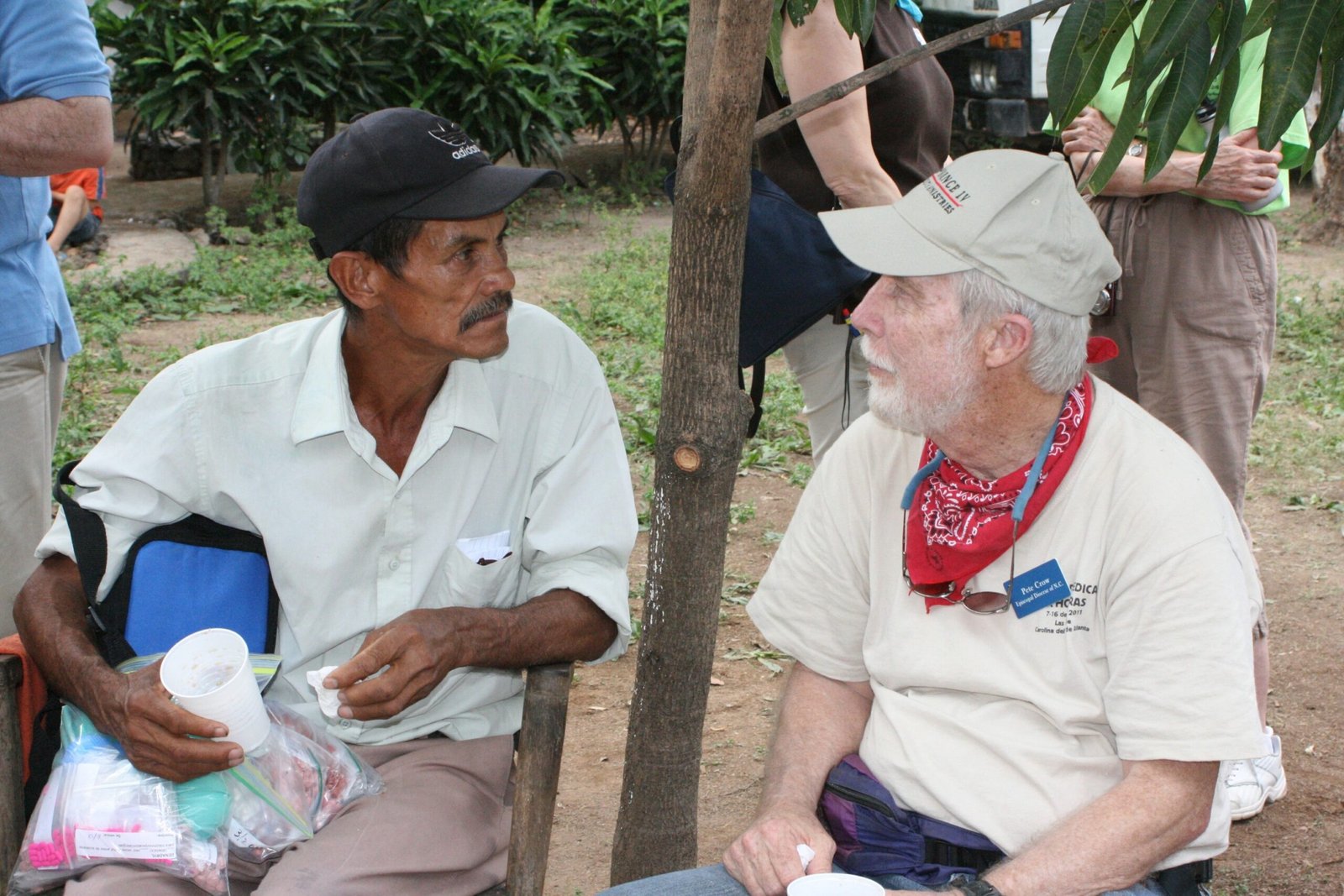
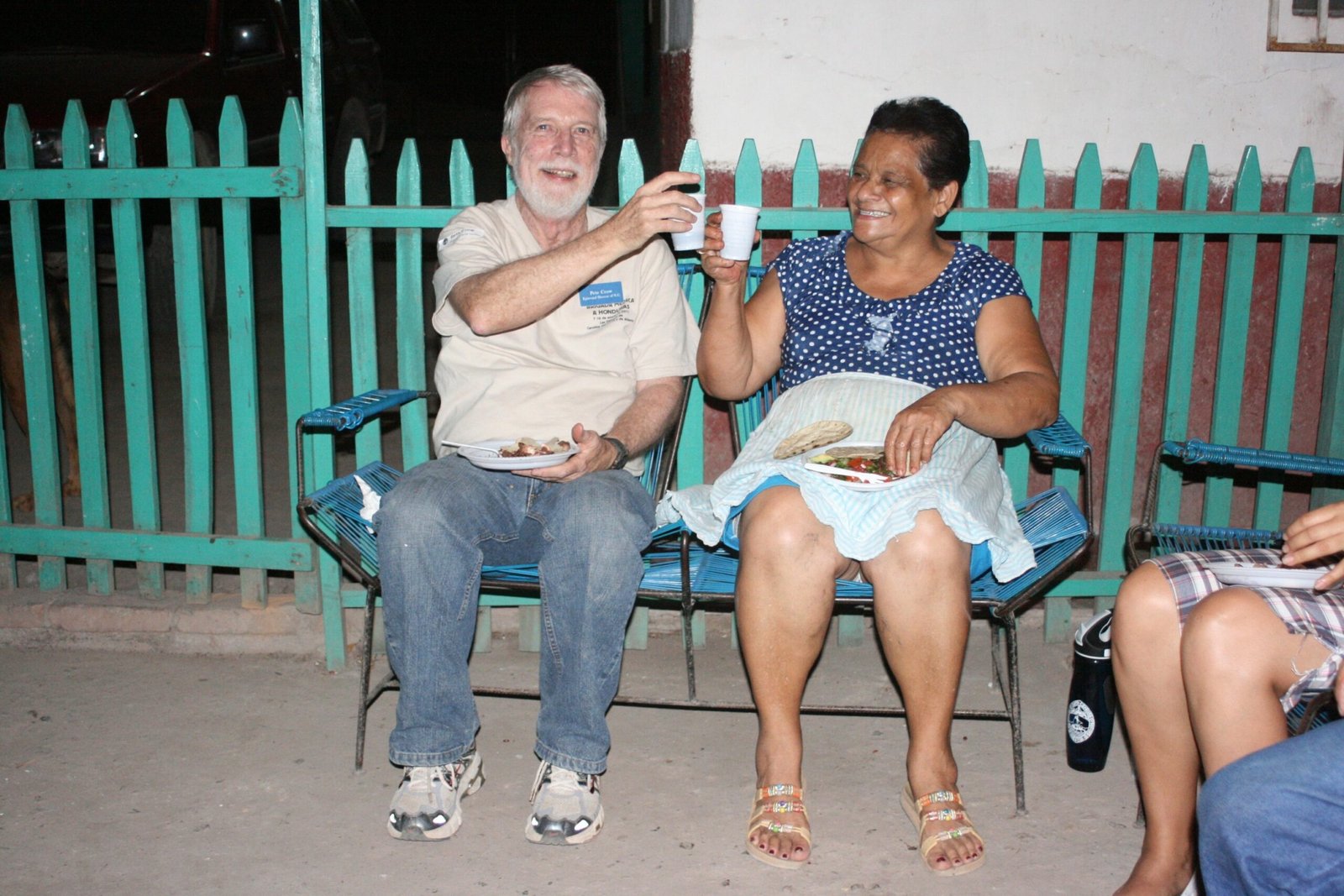
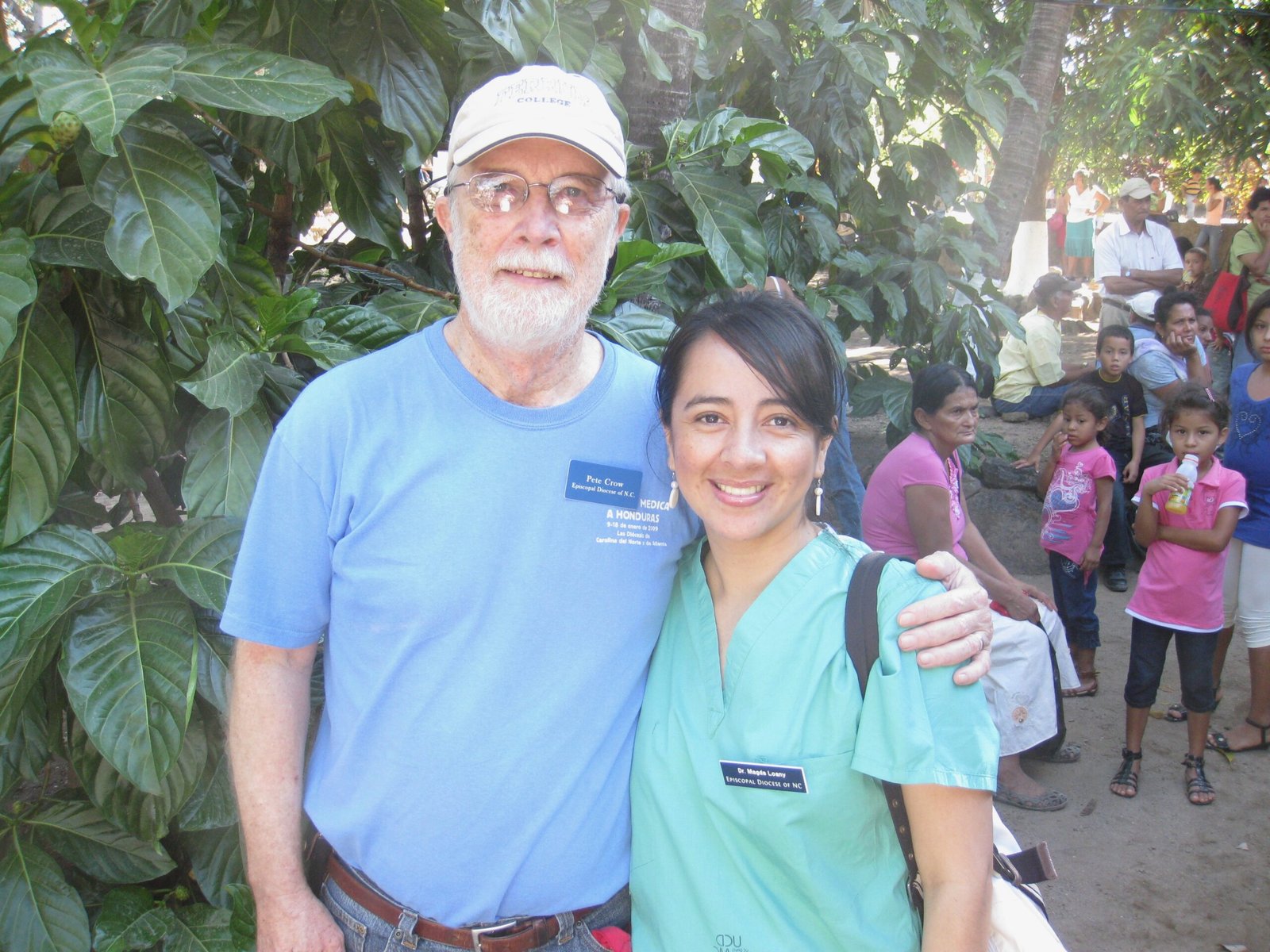
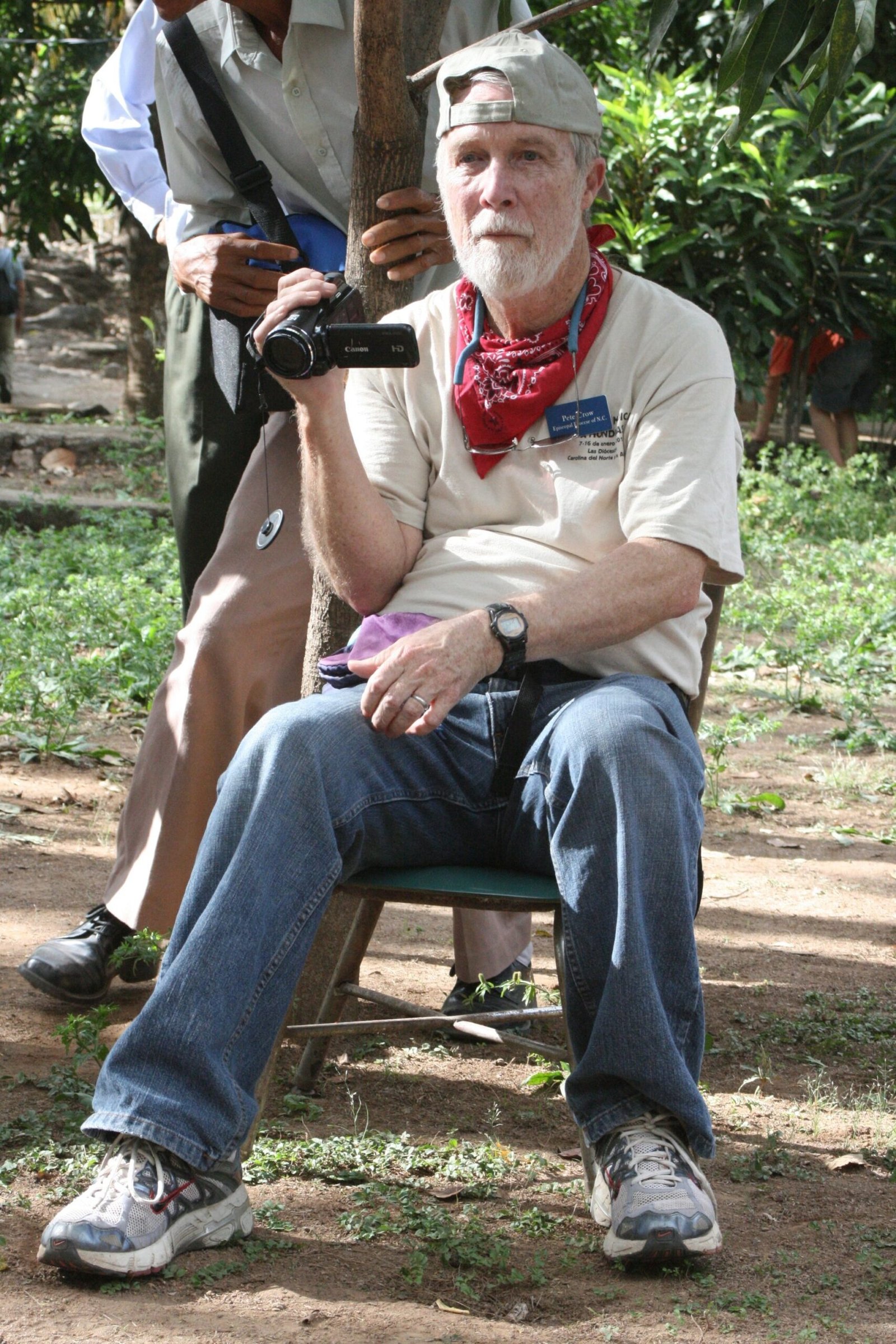
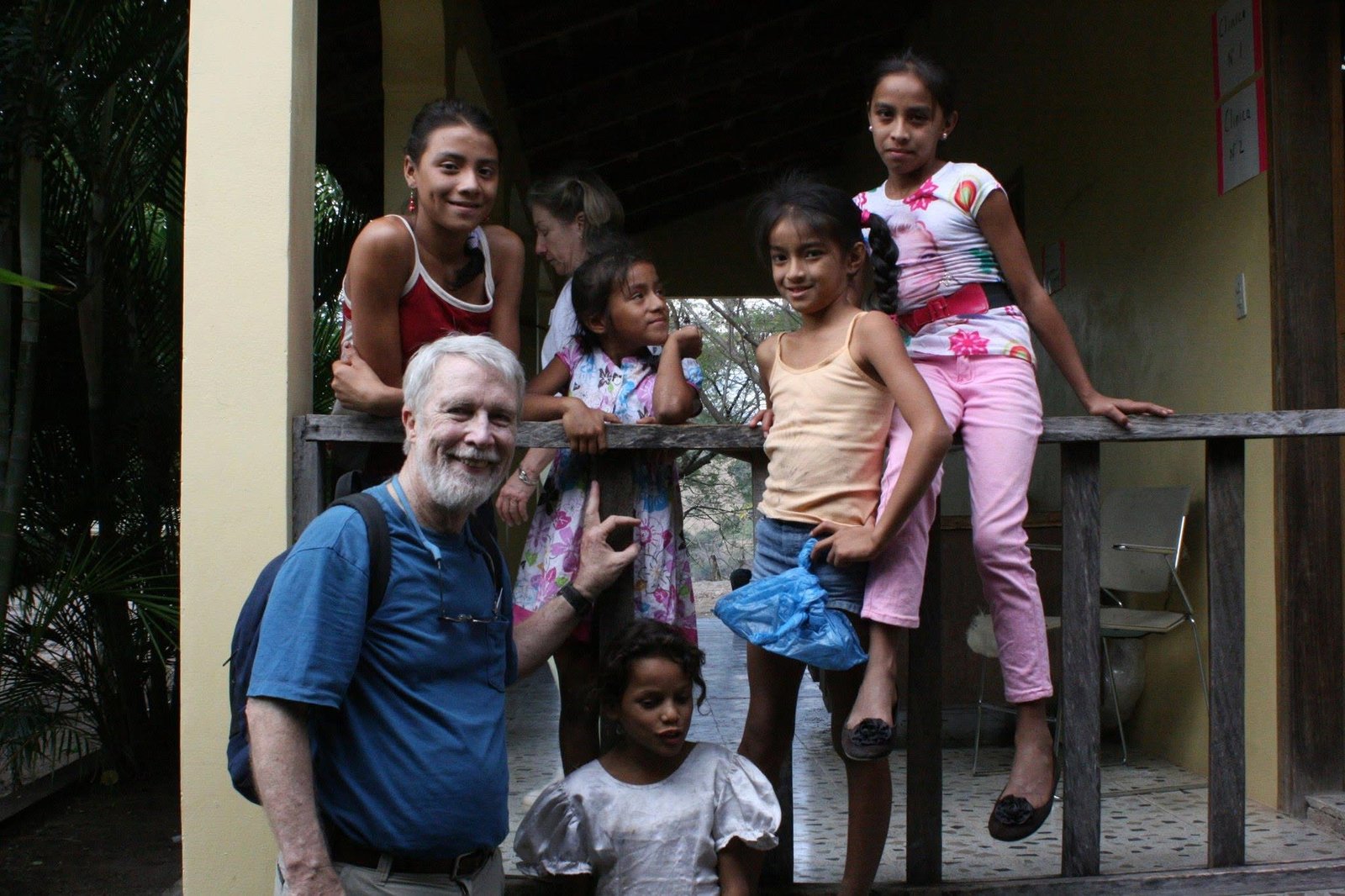
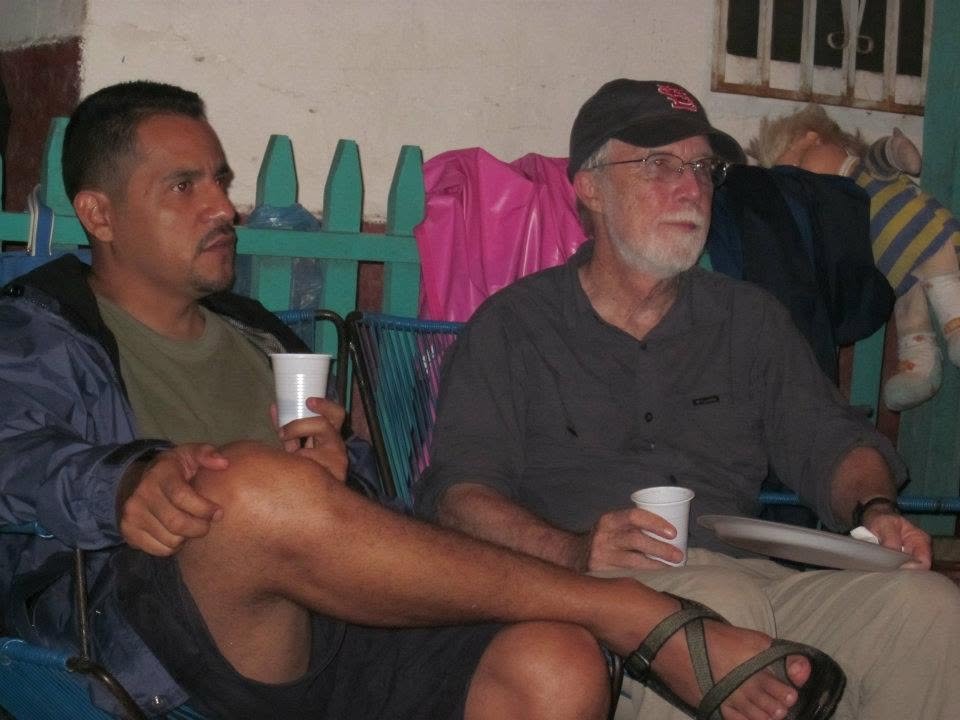
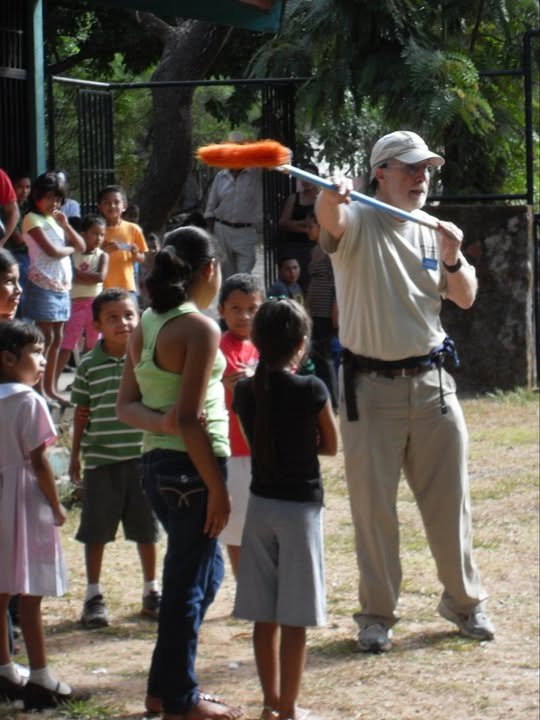
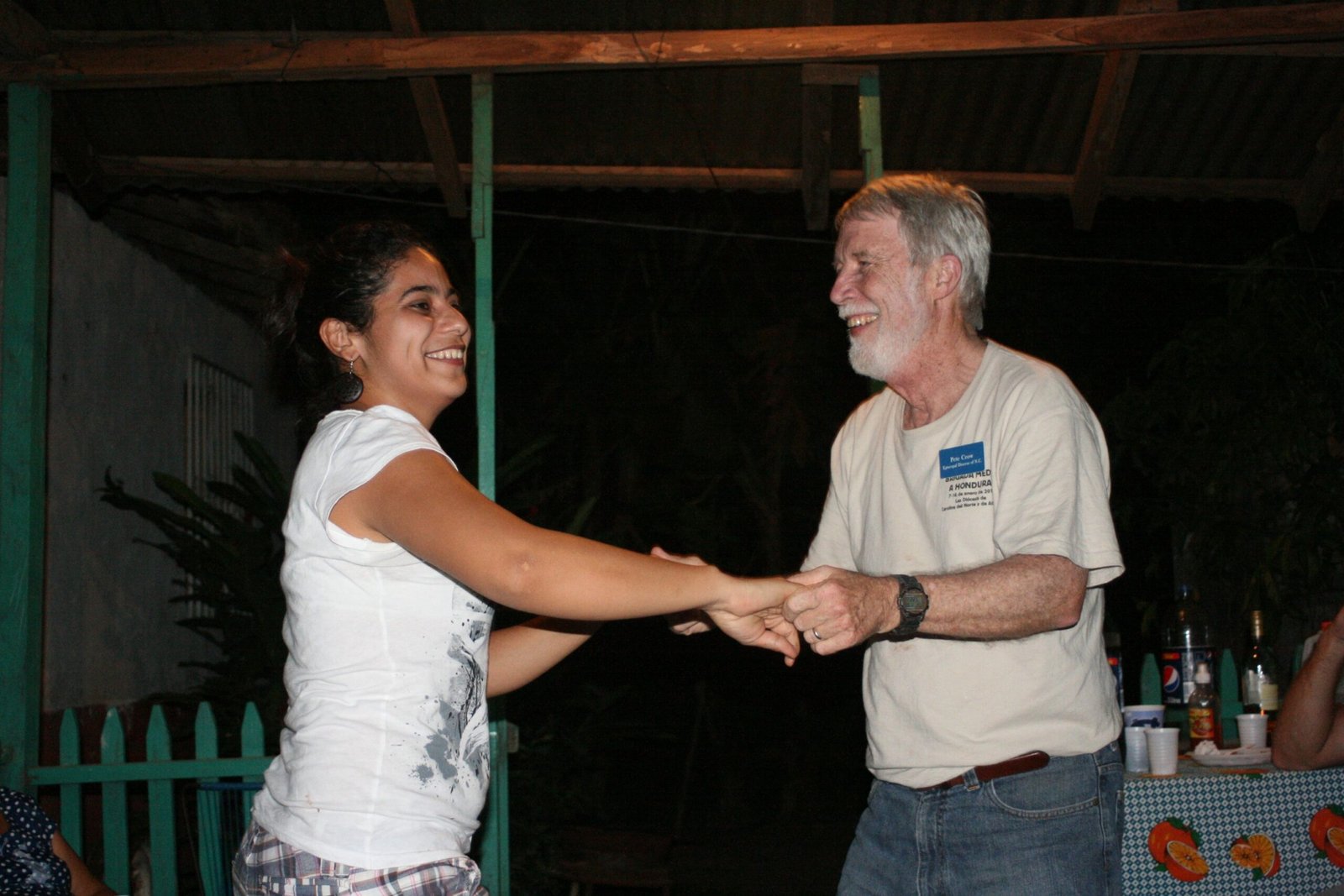
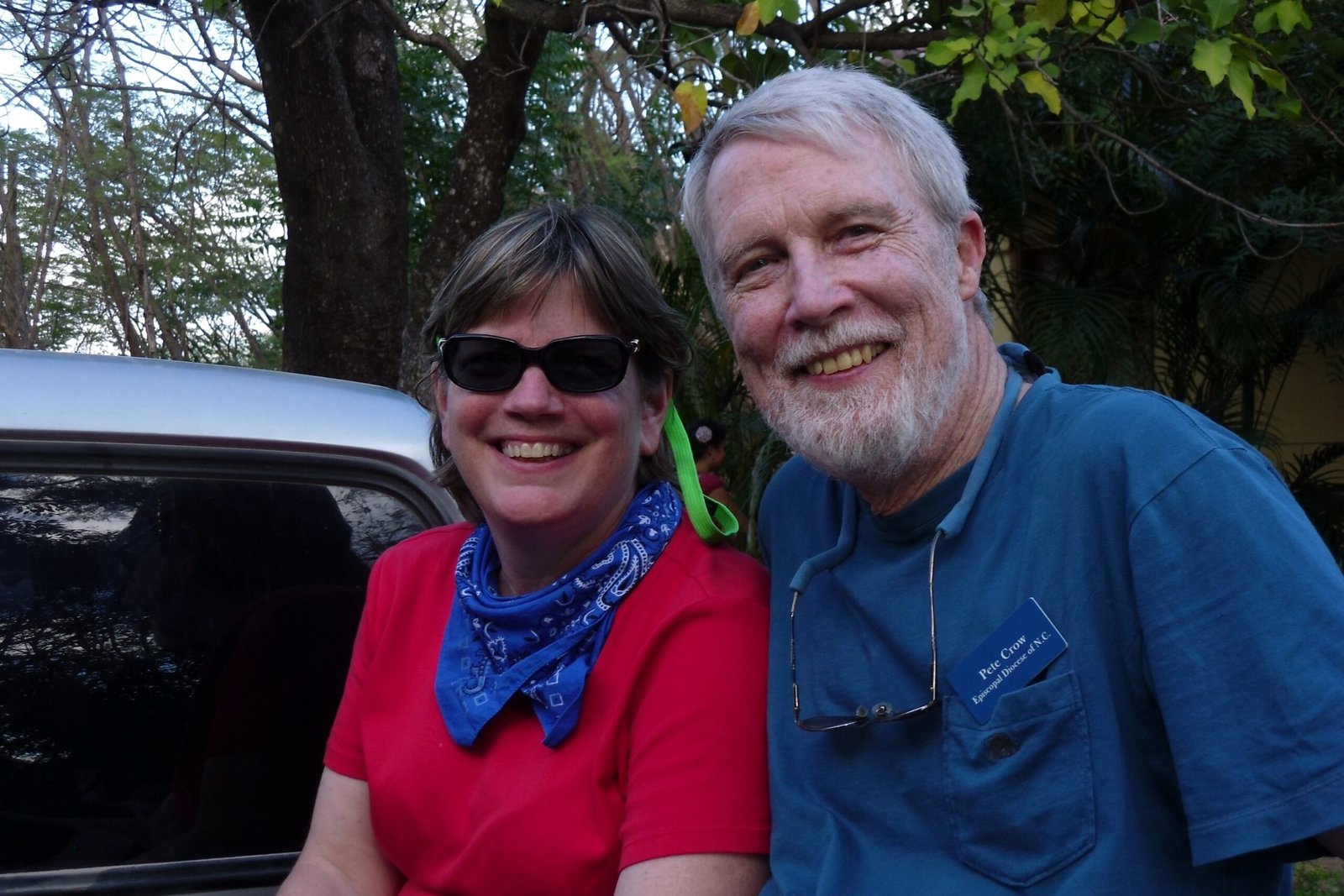
For nearly a decade, Pete participated in the Episcopal Church’s Honduras Health Mission, where he merged his passion for storytelling with public health, writing and performing interactive health skits for local families.
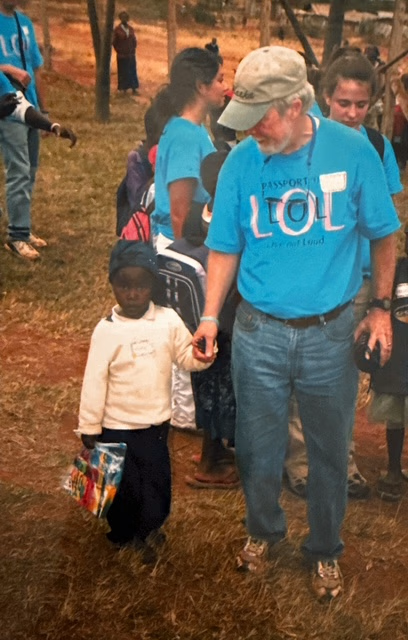
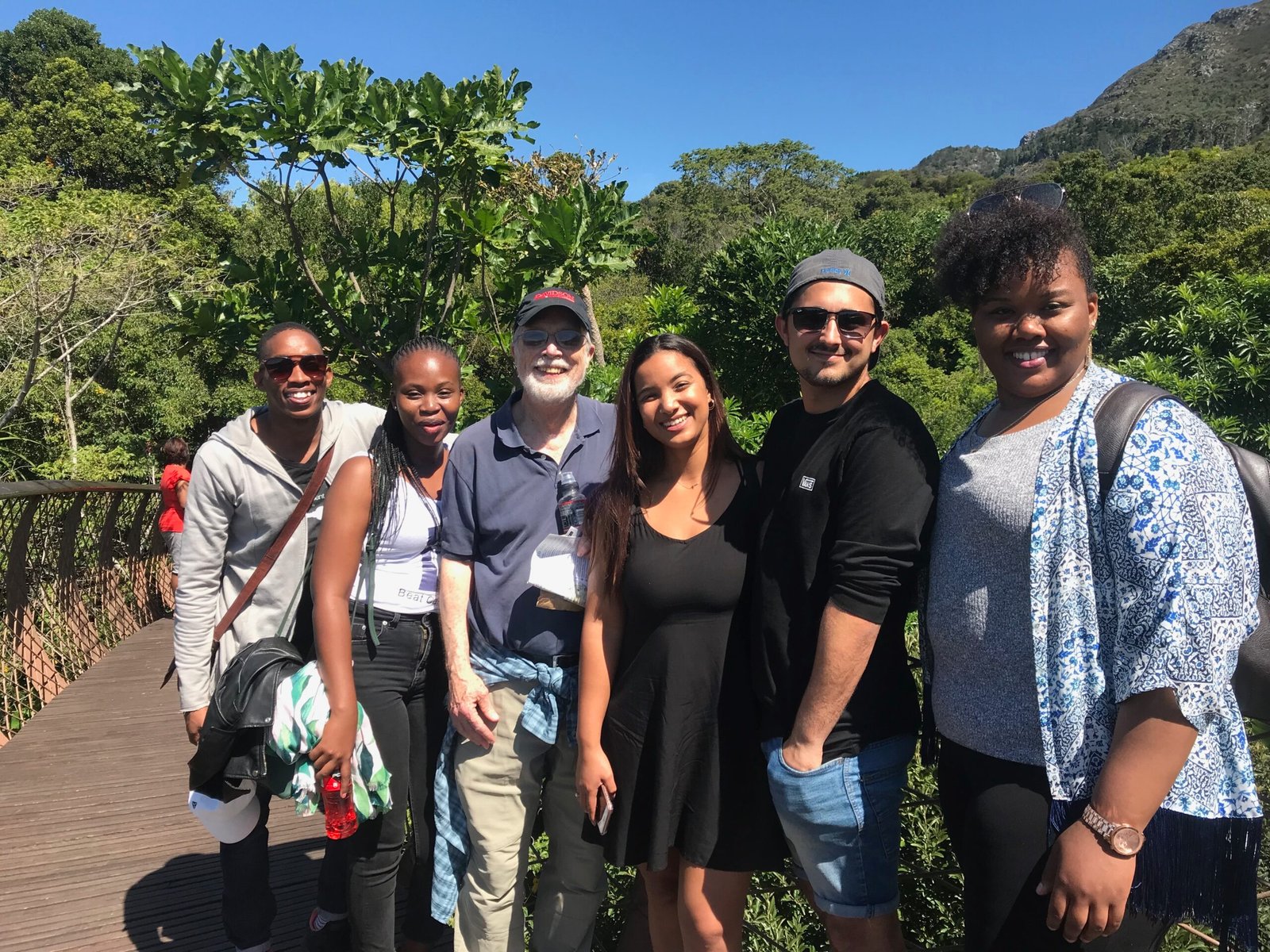
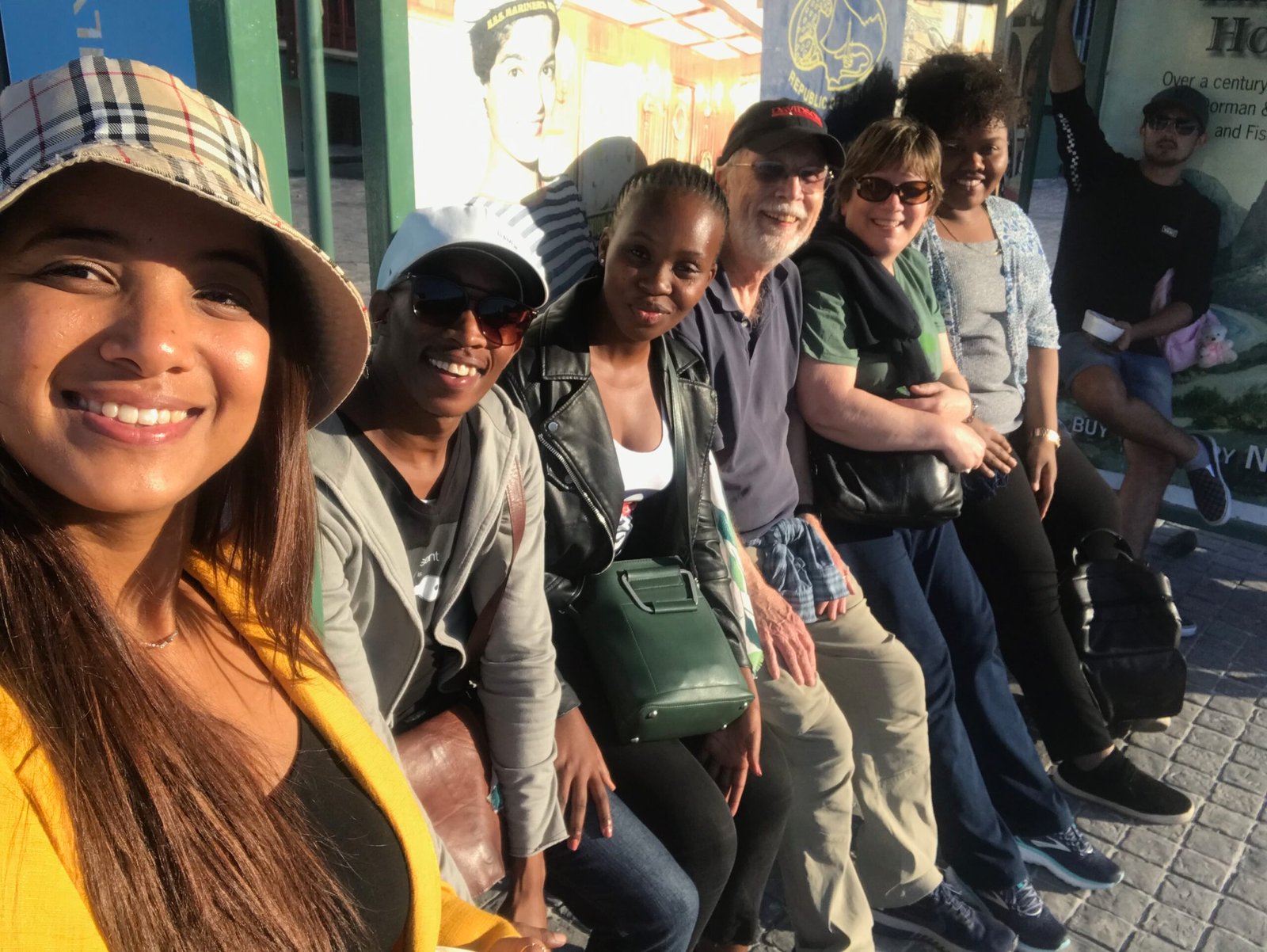
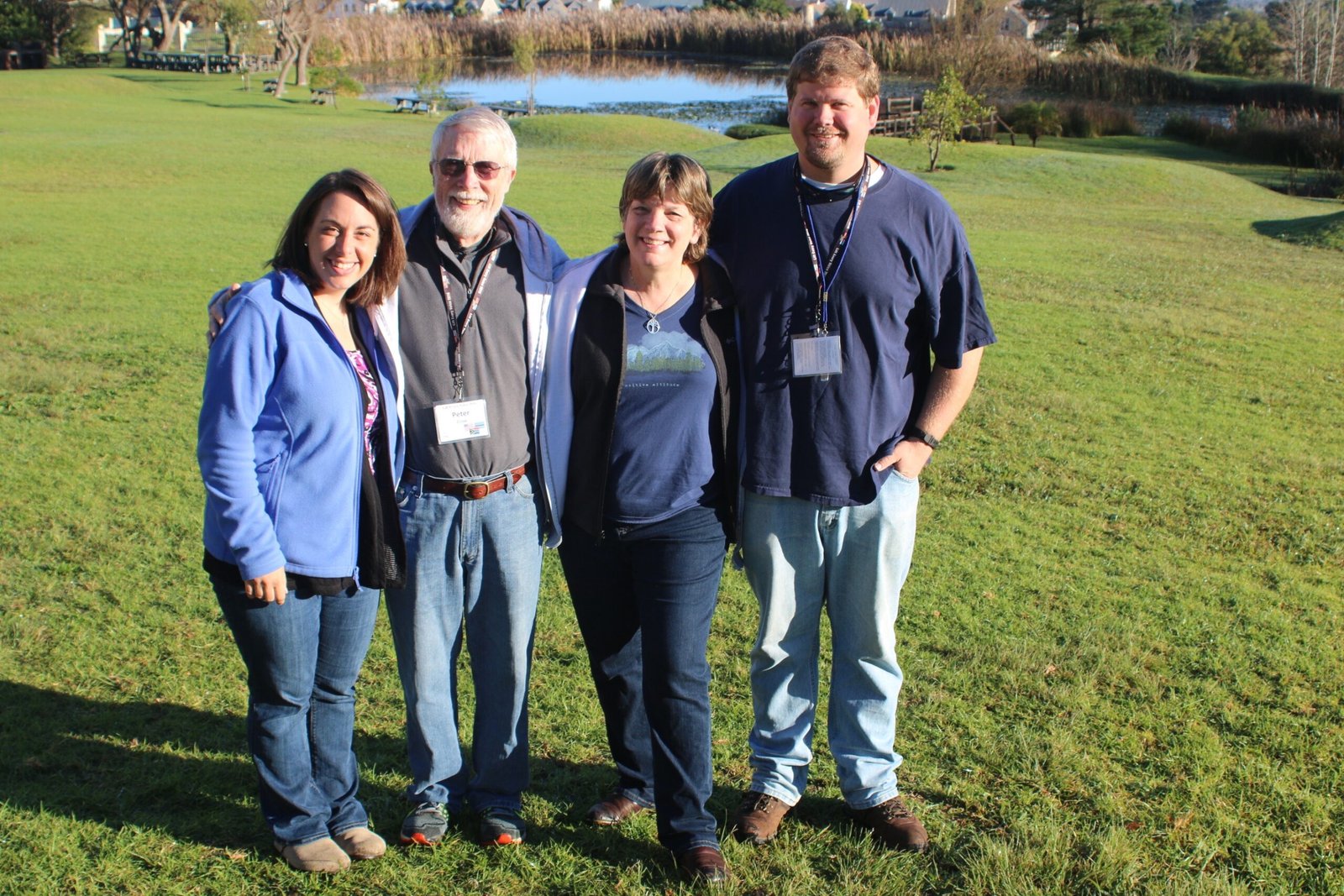
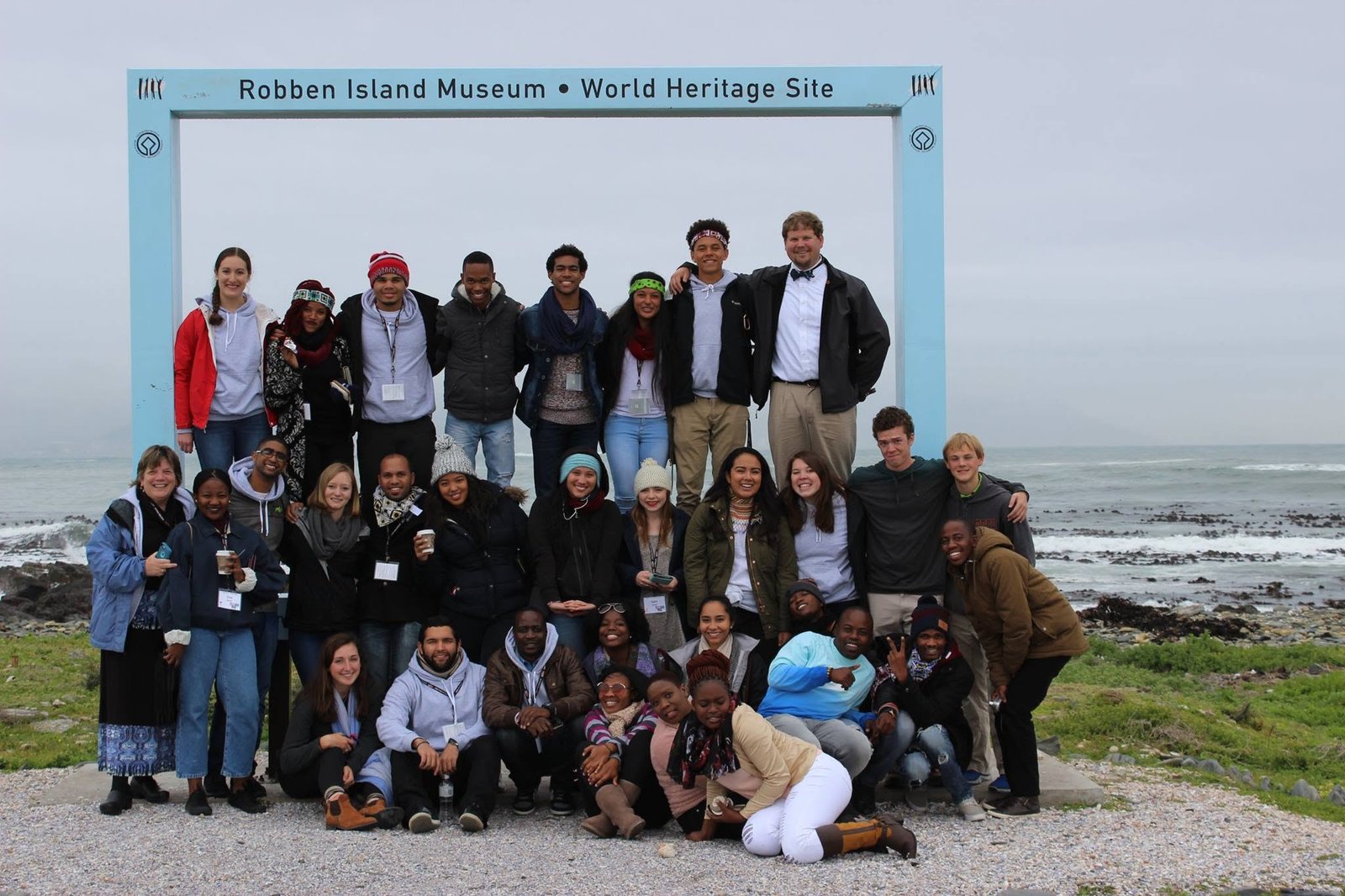
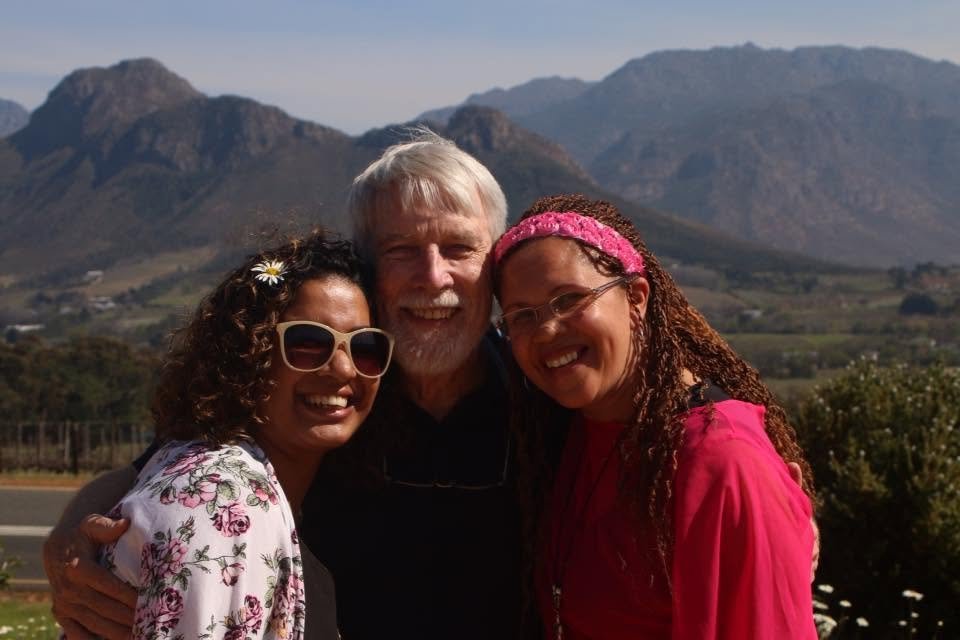
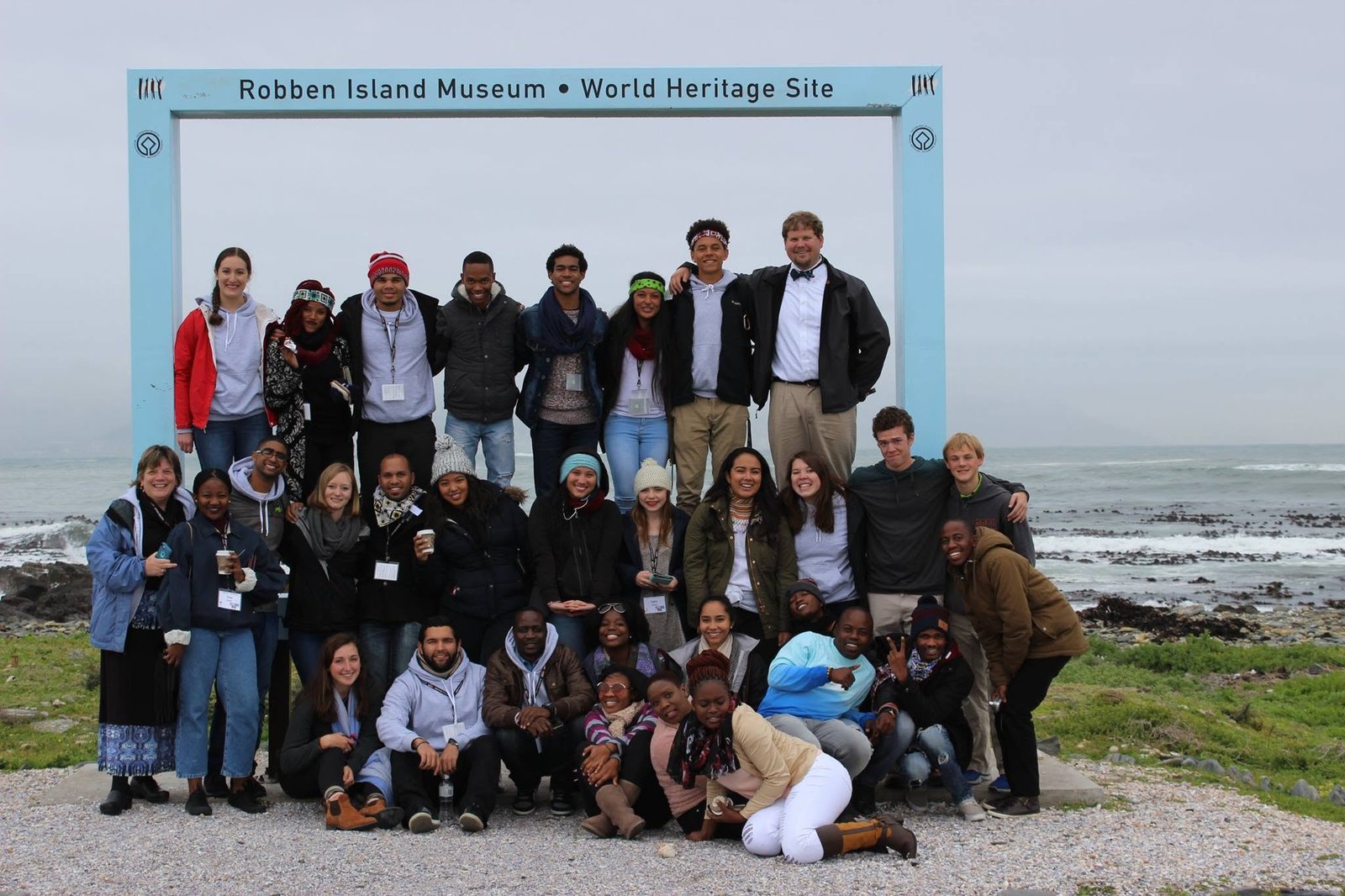
Deeply committed to reconciliation, Pete worked closely alongside Beth on anti-racism initiatives. This work took them to South Africa for a three-week young adult mission, Lift Every Voice, addressing racial injustice, where Pete was deeply honored to worship and collaborate with global figures of peace, Archbishop Desmond Tutu and Father Michael Lapsley. In 2016, Pete extended his nonviolent communication skills to Braver Angels, a national program designed to bring Republicans and Democrats together to find common ground and strengthen the foundations of democracy.
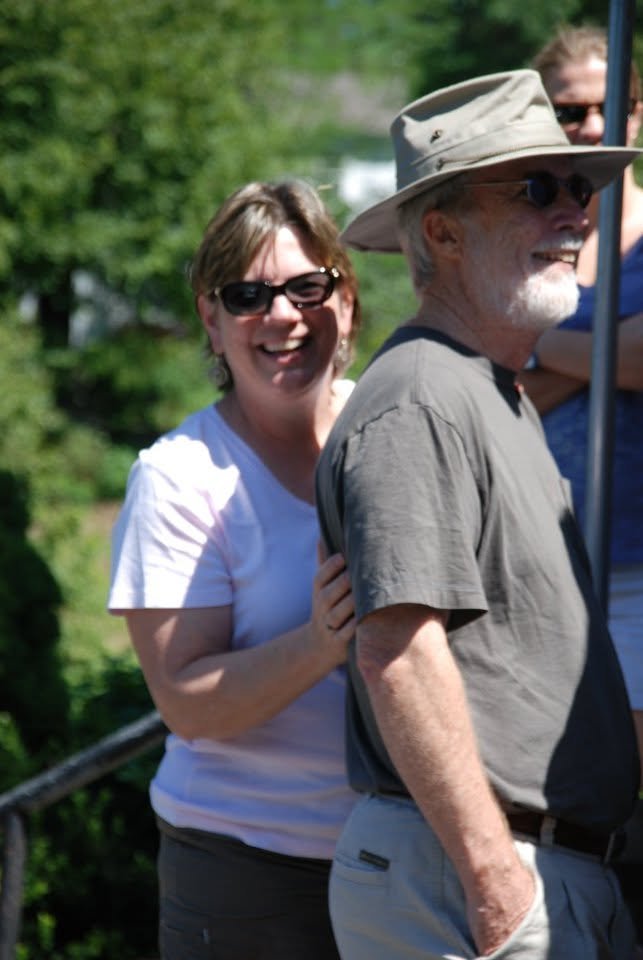
Honduras
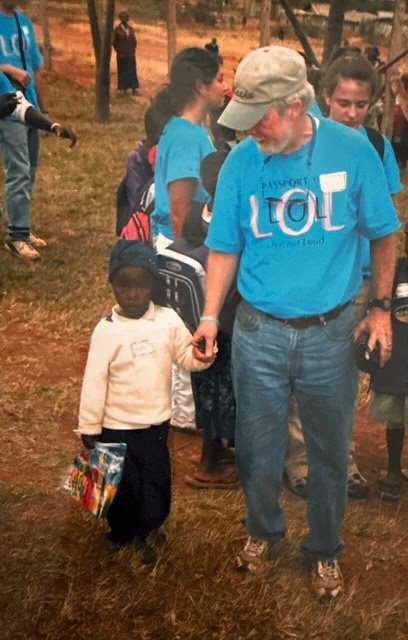
Kenya, South Africa and Botswana
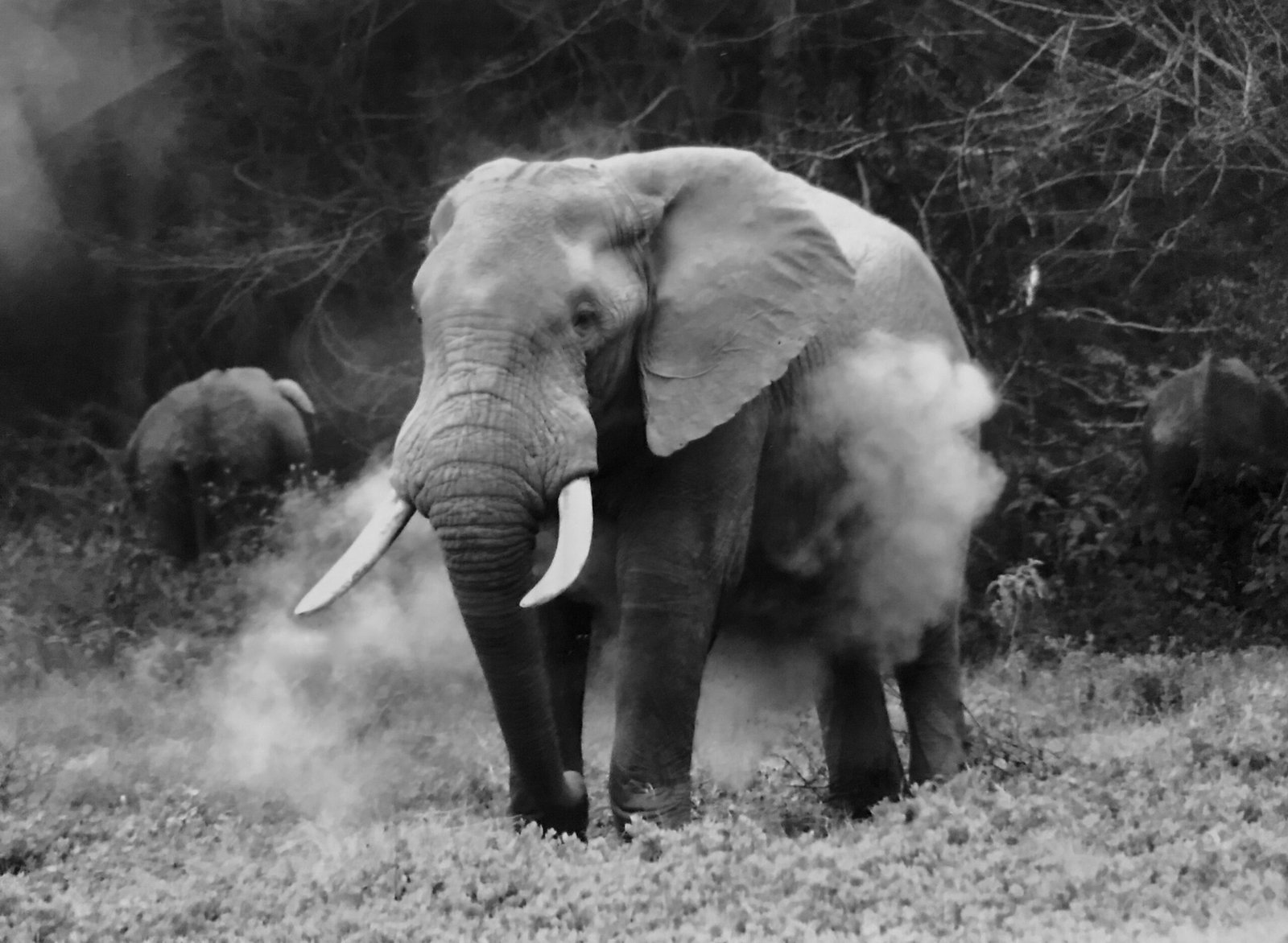
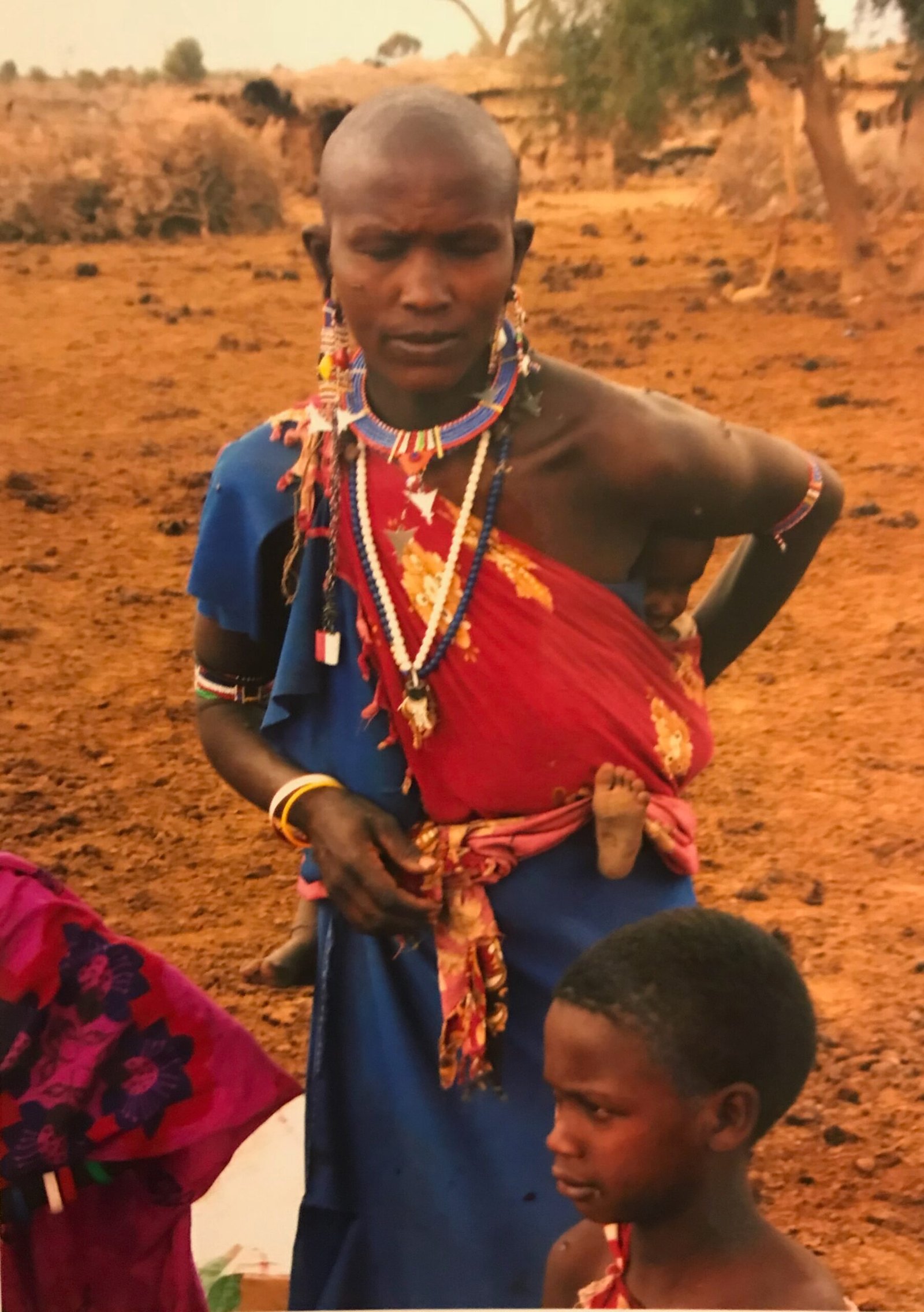
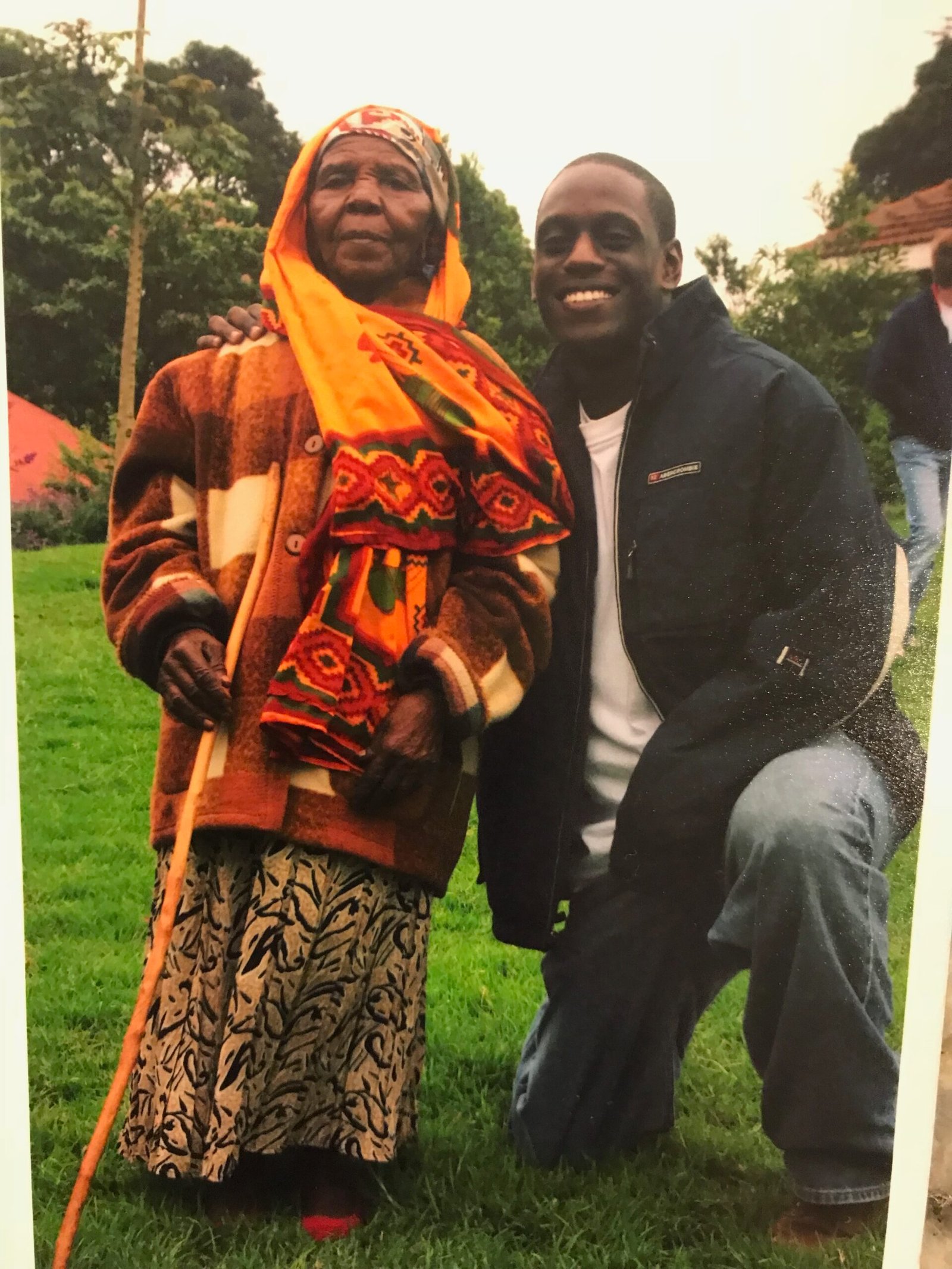
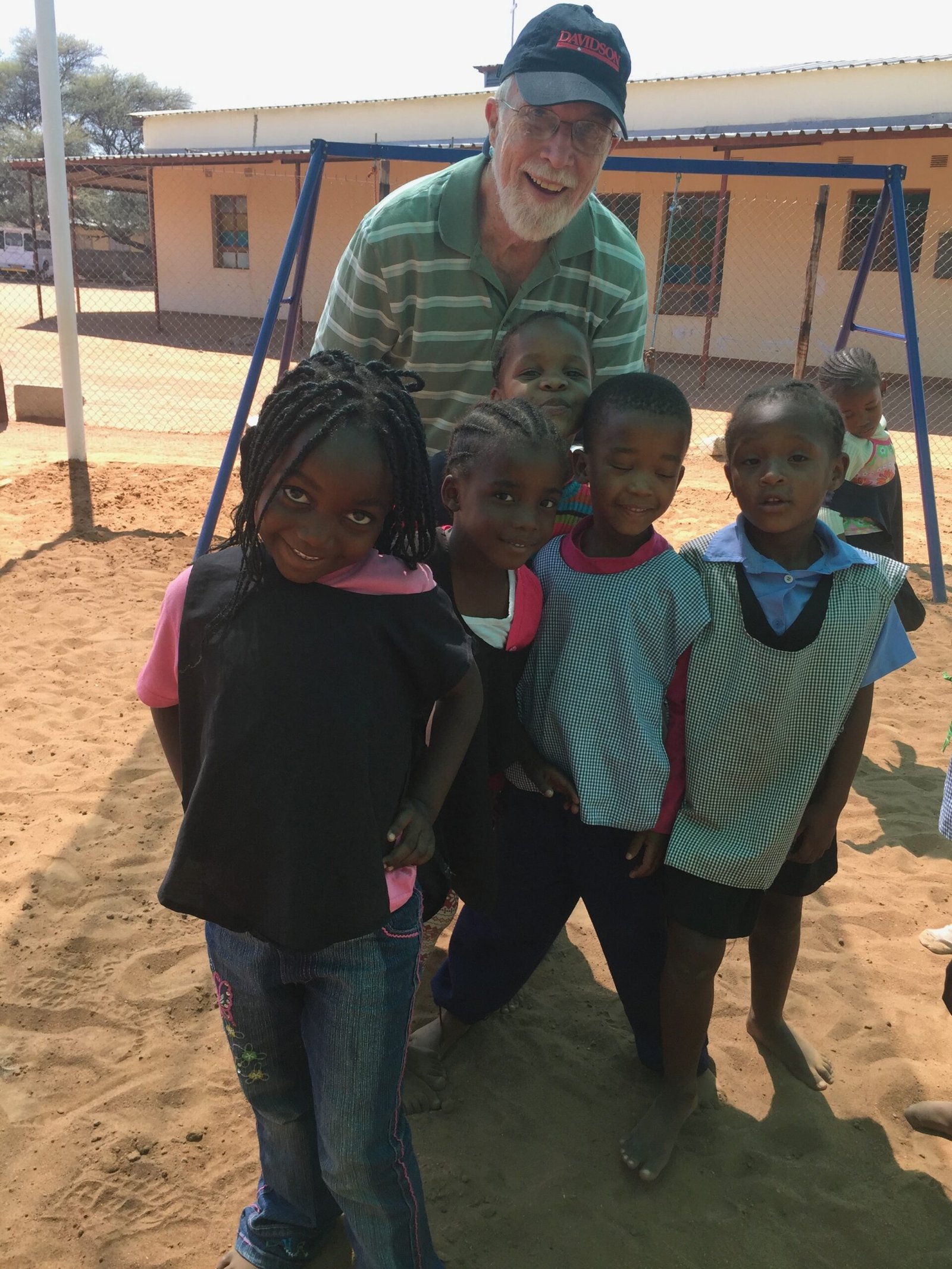
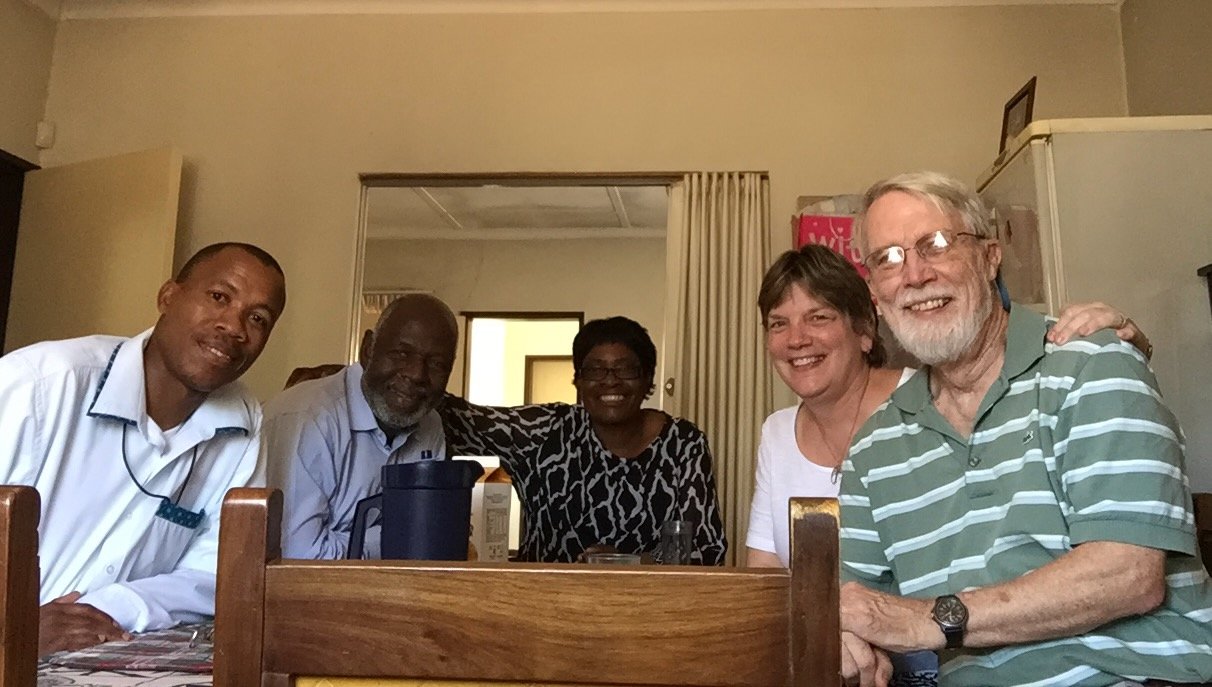
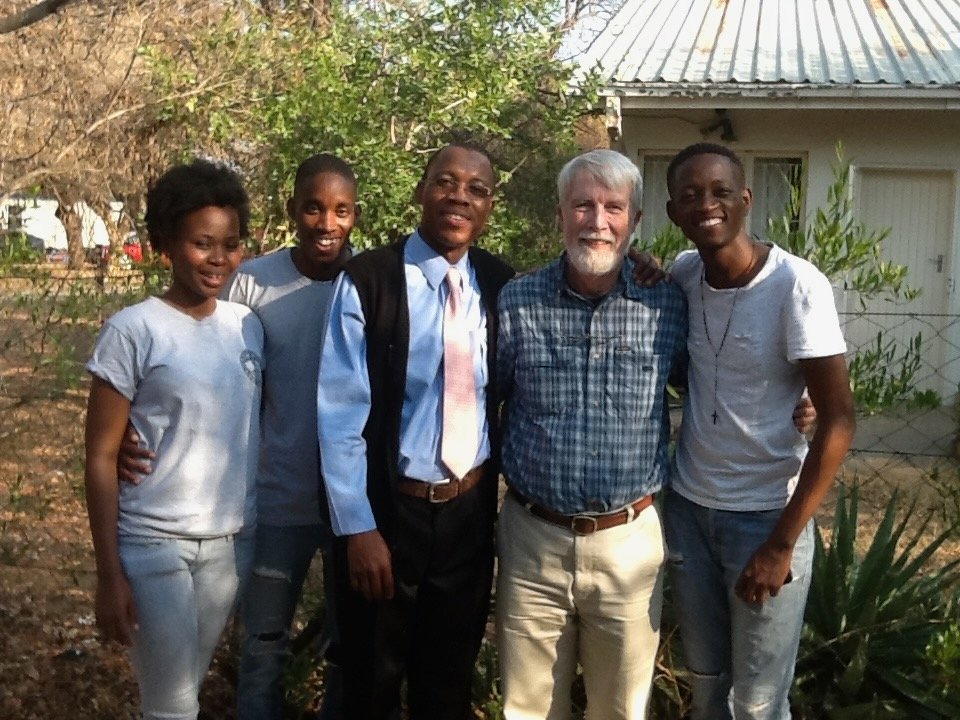
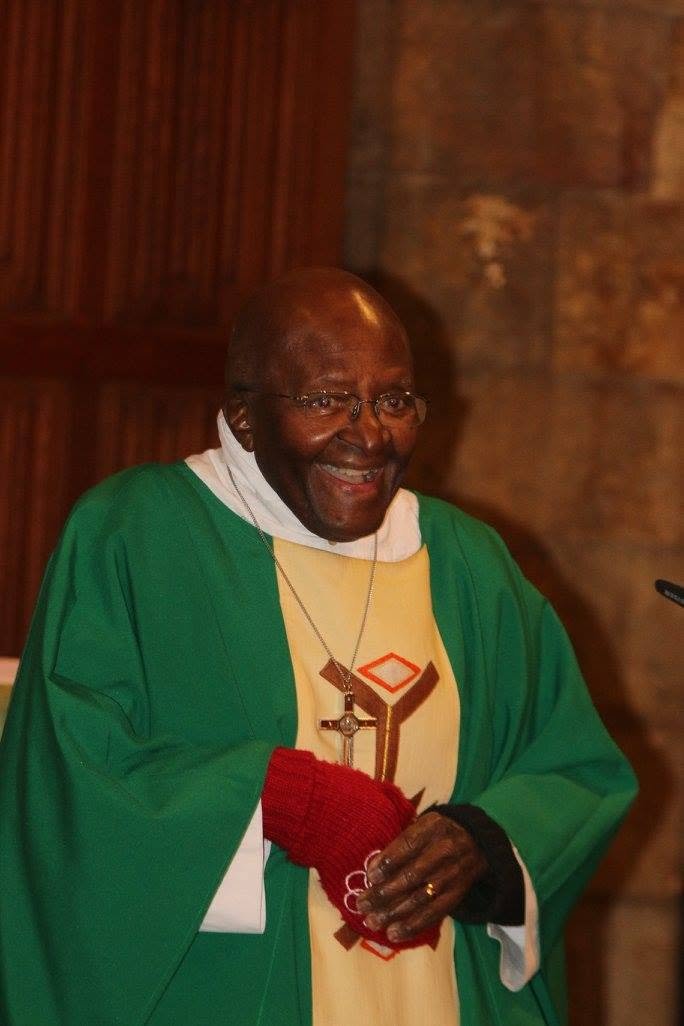
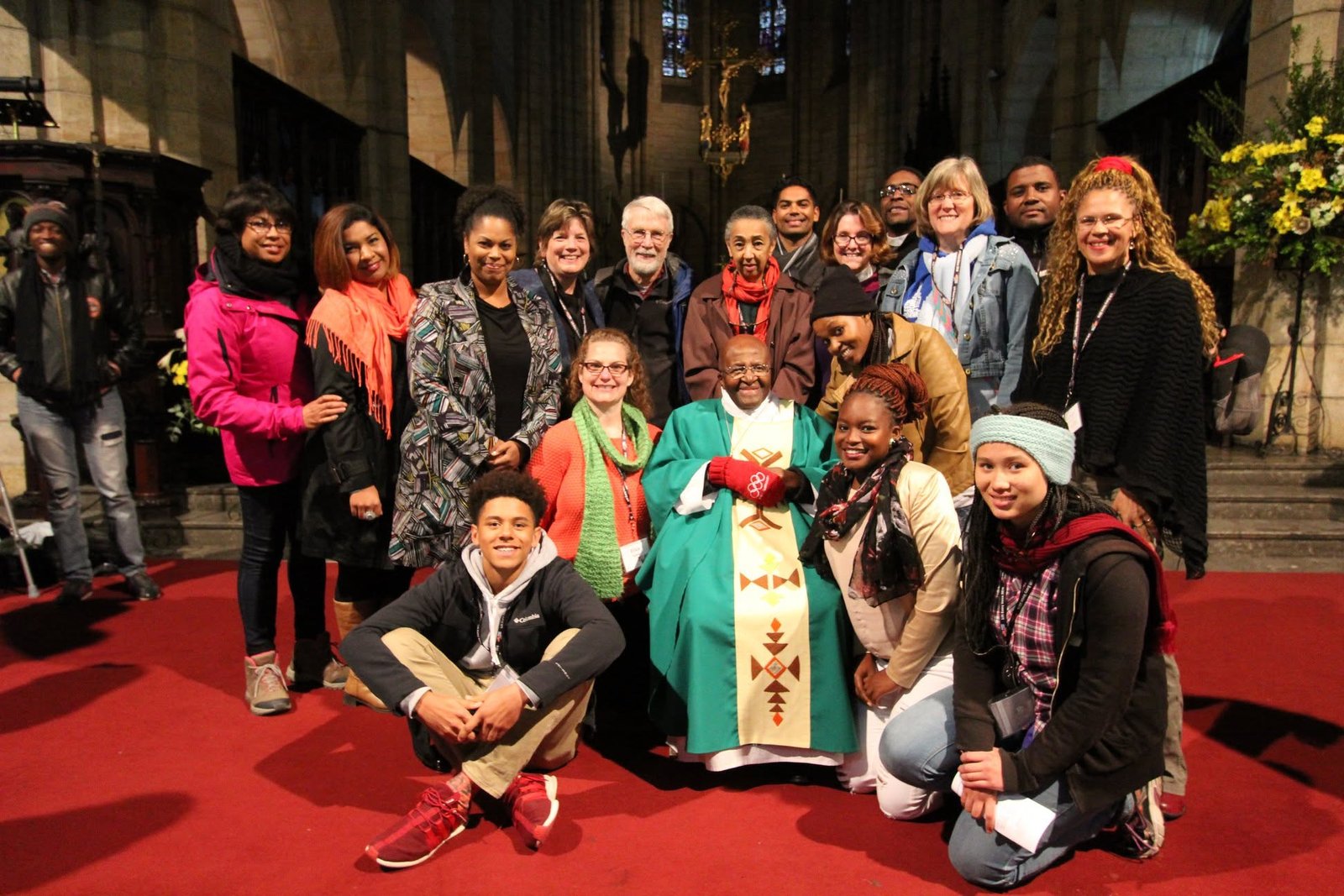
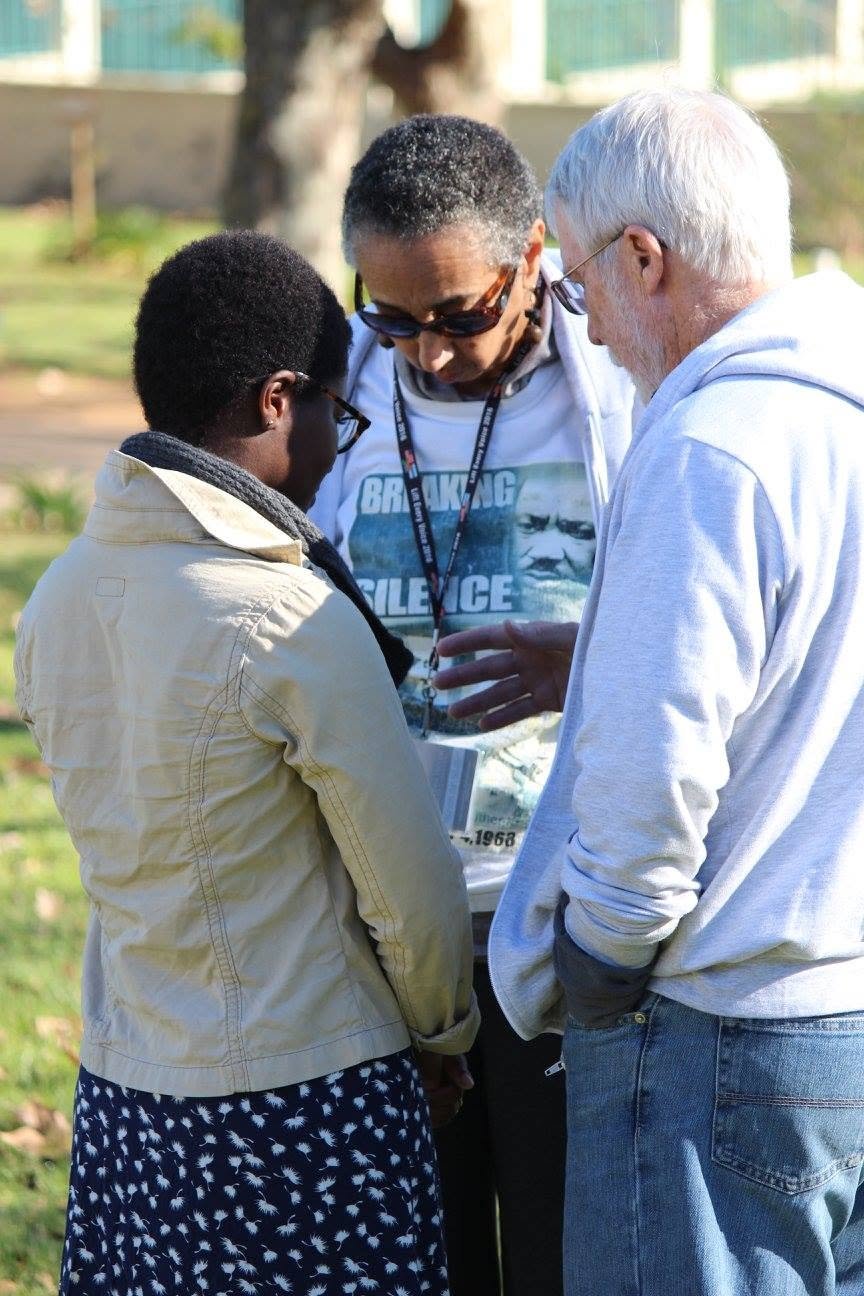
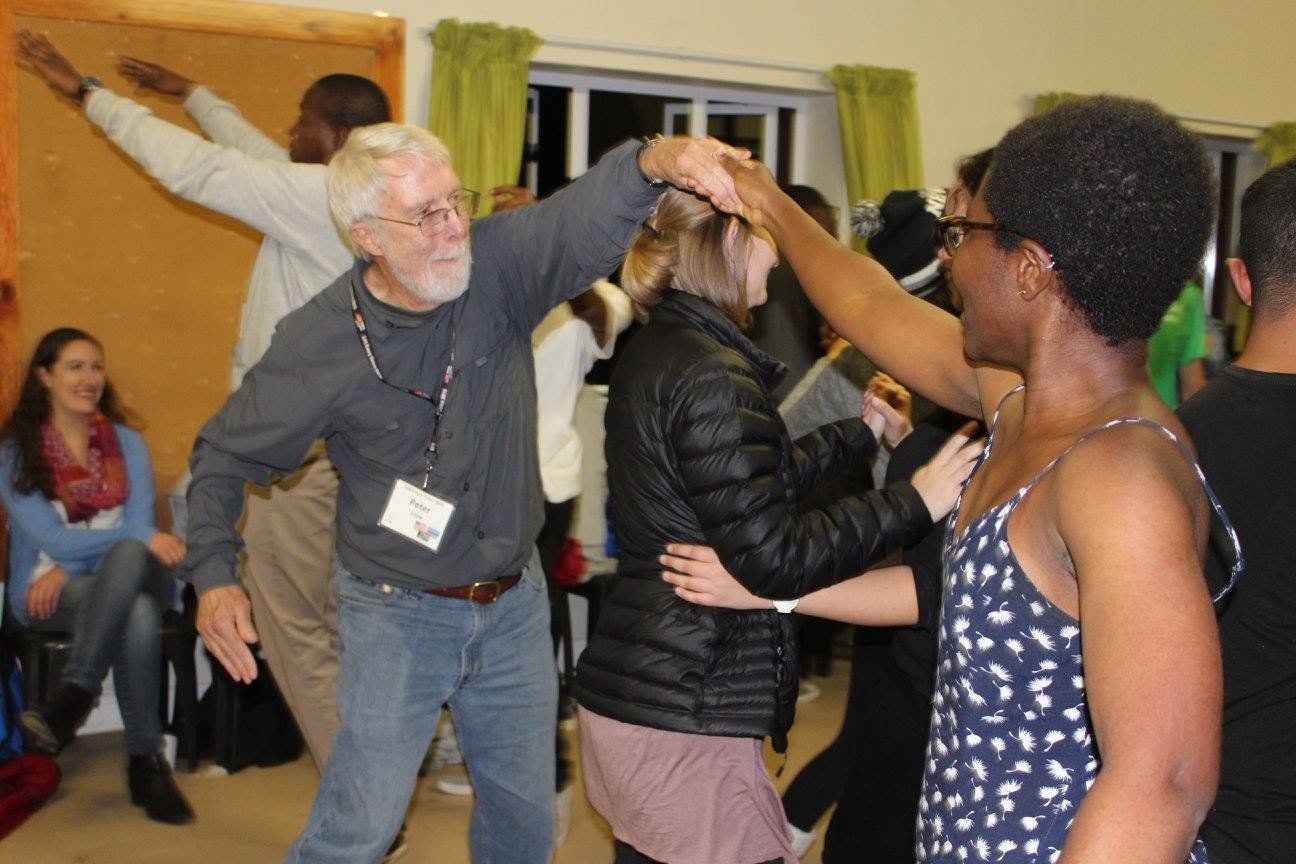
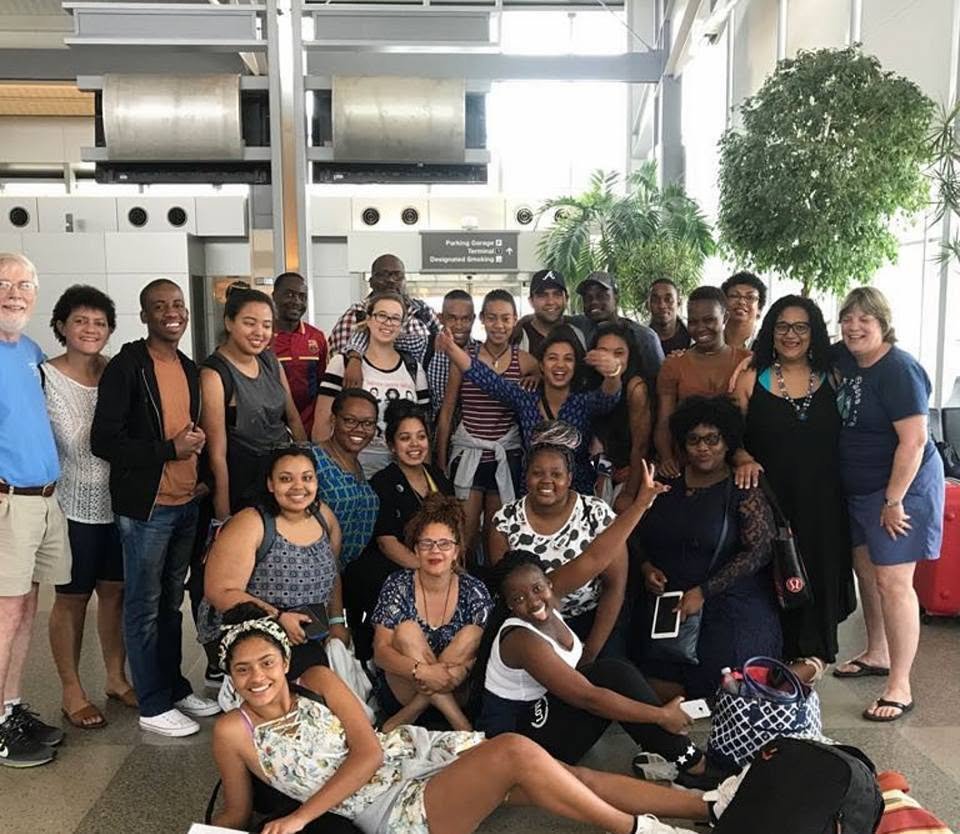
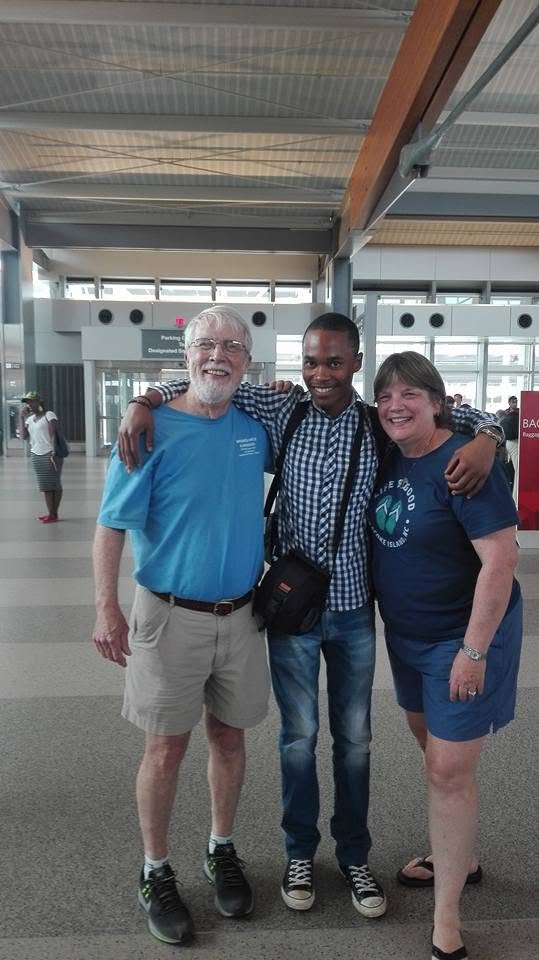

"All of us should be willing to hear other people's sincere beliefs."
A Labor of Love: Bringing "Bear Country" to Life
While Pete’s academic research was highly regarded, his heart’s true voice lived in his creative storytelling, first discovered in his early twenties while a hiking counselor and later as a parent. Whether preparing for bed or hiking and camping in the great outdoors, Amy and Rob learned early on how to prolong a story and develop unbelievable adventures.
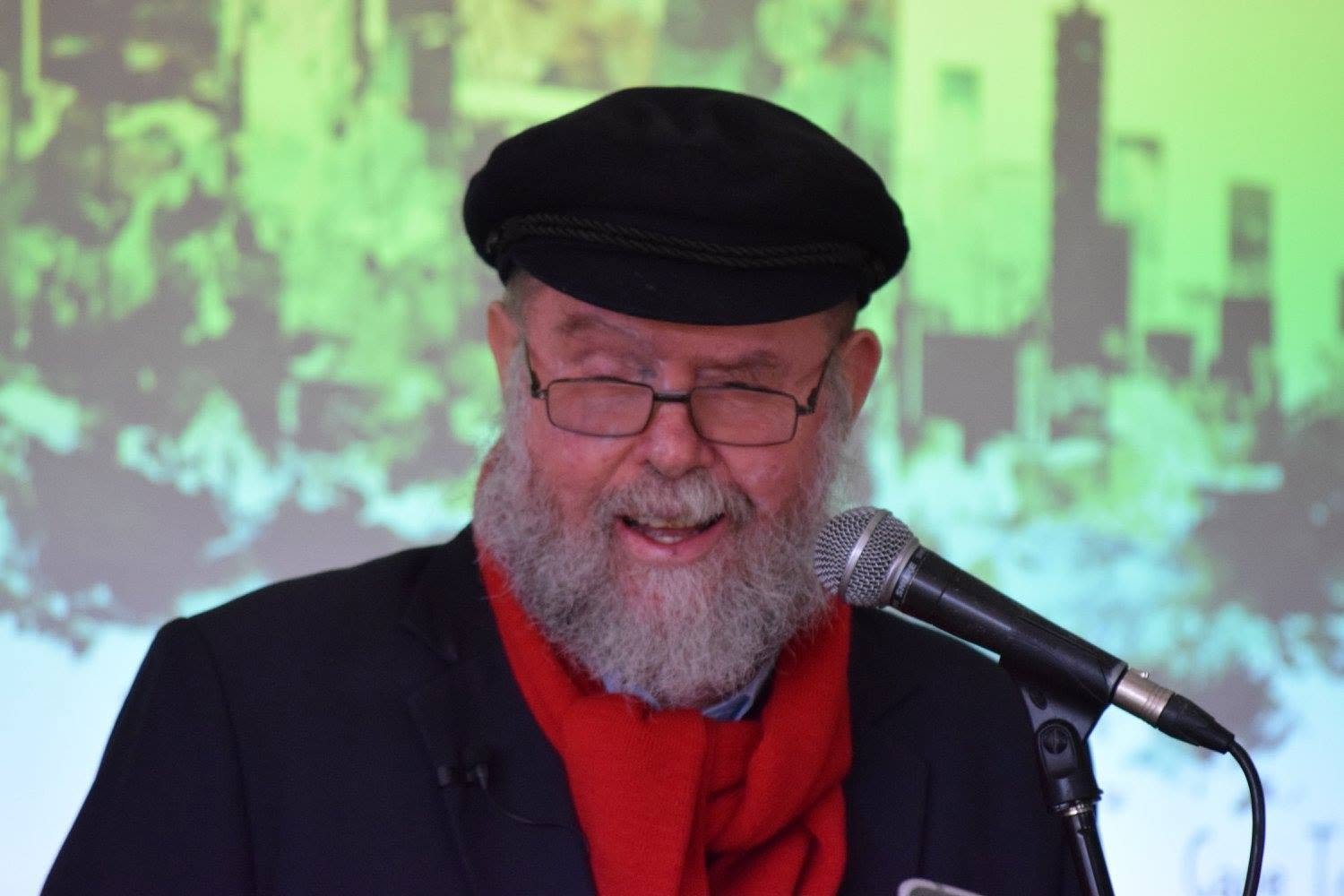
In the late 1990s, he brought his alter ego, Old Joe Grady, to public radio, sharing folksy, comforting tales with listeners across the region. Those radio stories eventually blossomed into his debut novel, Staying Alive in Bear Country.
Pete signed a contract on May 26, 2025 with Black Rose Writing to publish the novel. Tragically, Pete passed away unexpectedly just two months later, on July 30, 2025.
Knowing how incredibly hard Pete had worked on this manuscript, and how much it meant to him, his family and closest colleagues immediately rallied to ensure his voice would still be heard.
Pete’s son, Rob, teamed up with Pete’s esteemed colleague, Ferrum College professor Lana Whited, to spearhead the final edits. Together, they polished the manuscript and kept up with strict publishing deadlines to edit and revise it several times prior to its final approval. His artistic wife, Beth, brought her favorite medium to the project, painting a watercolor piece that became the novel’s official book cover. Meanwhile, his daughter, Amy, designed and created the promotional and publicity materials to share the book with the world.
Thanks to this collective labor of love, Black Rose Writing kept its commitment to Pete. Staying Alive in Bear Country became available to the world on July 30, 2026—the one-year anniversary of his passing.
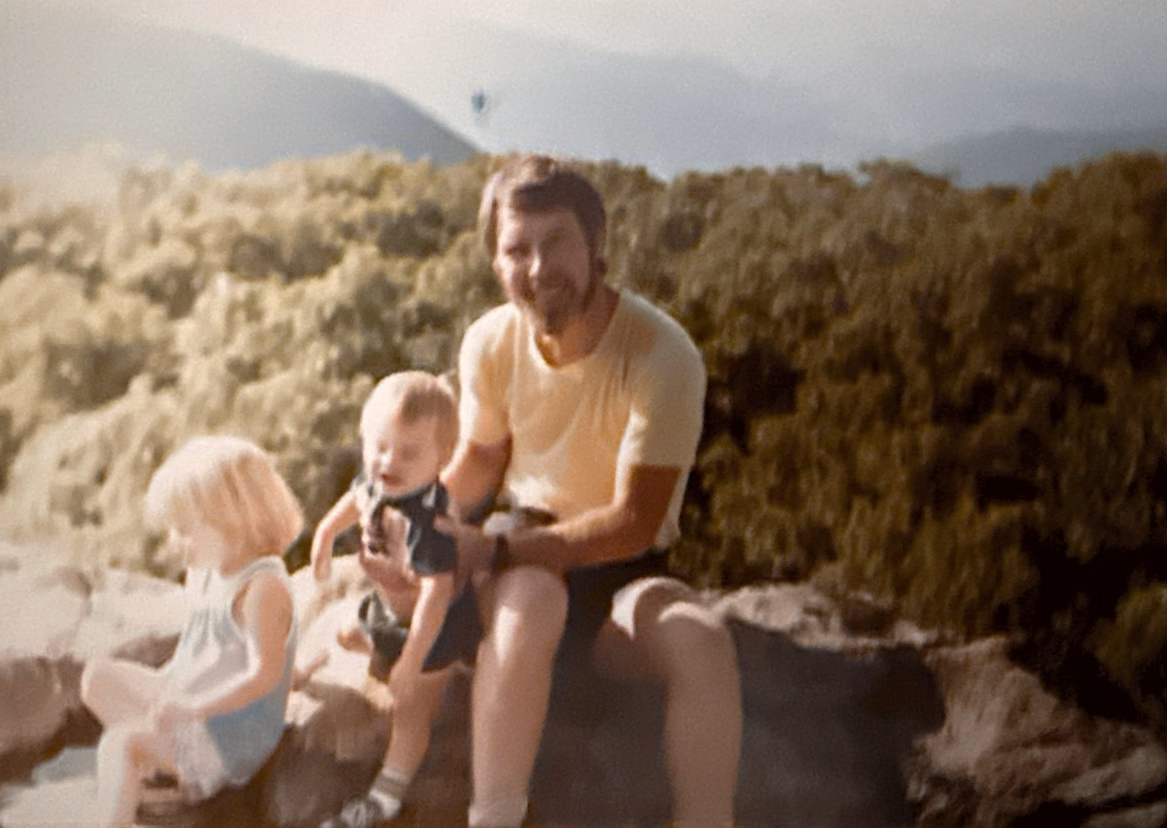
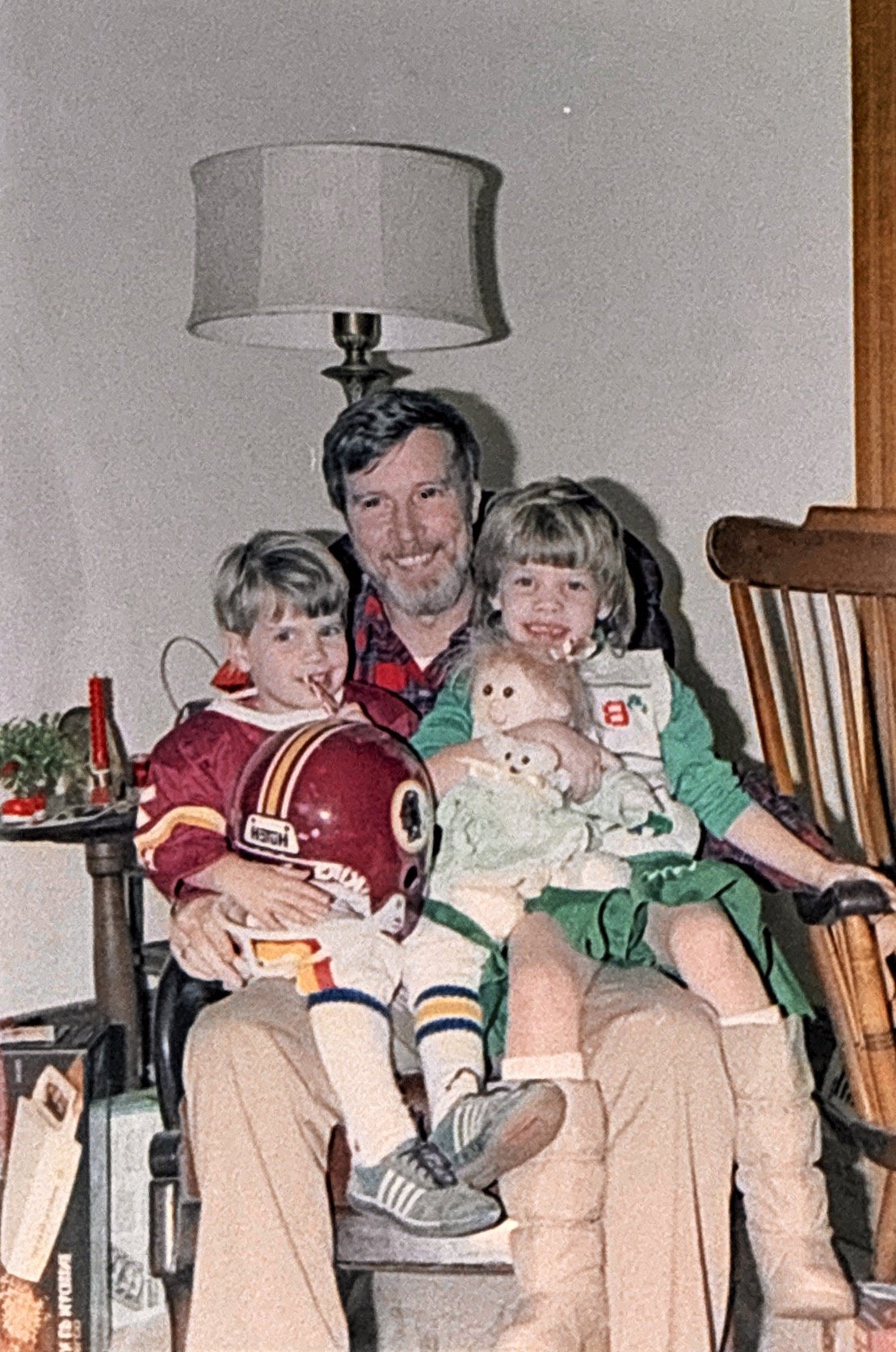
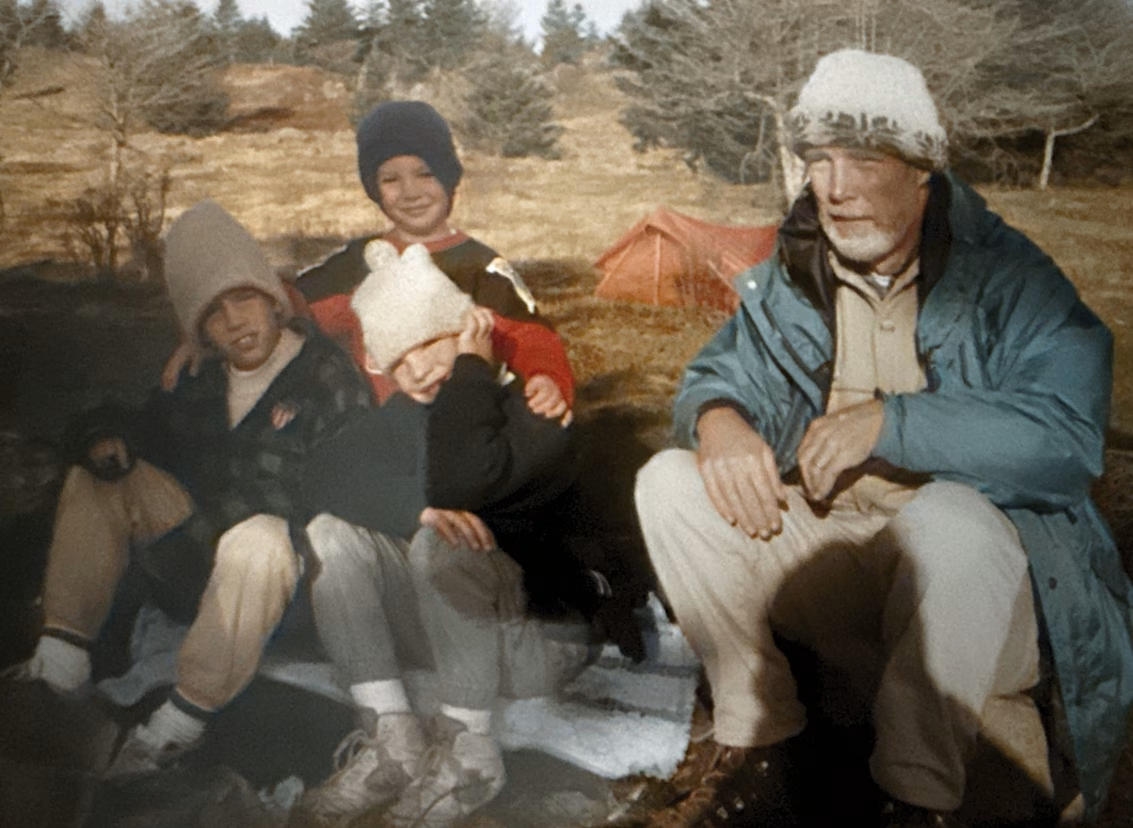
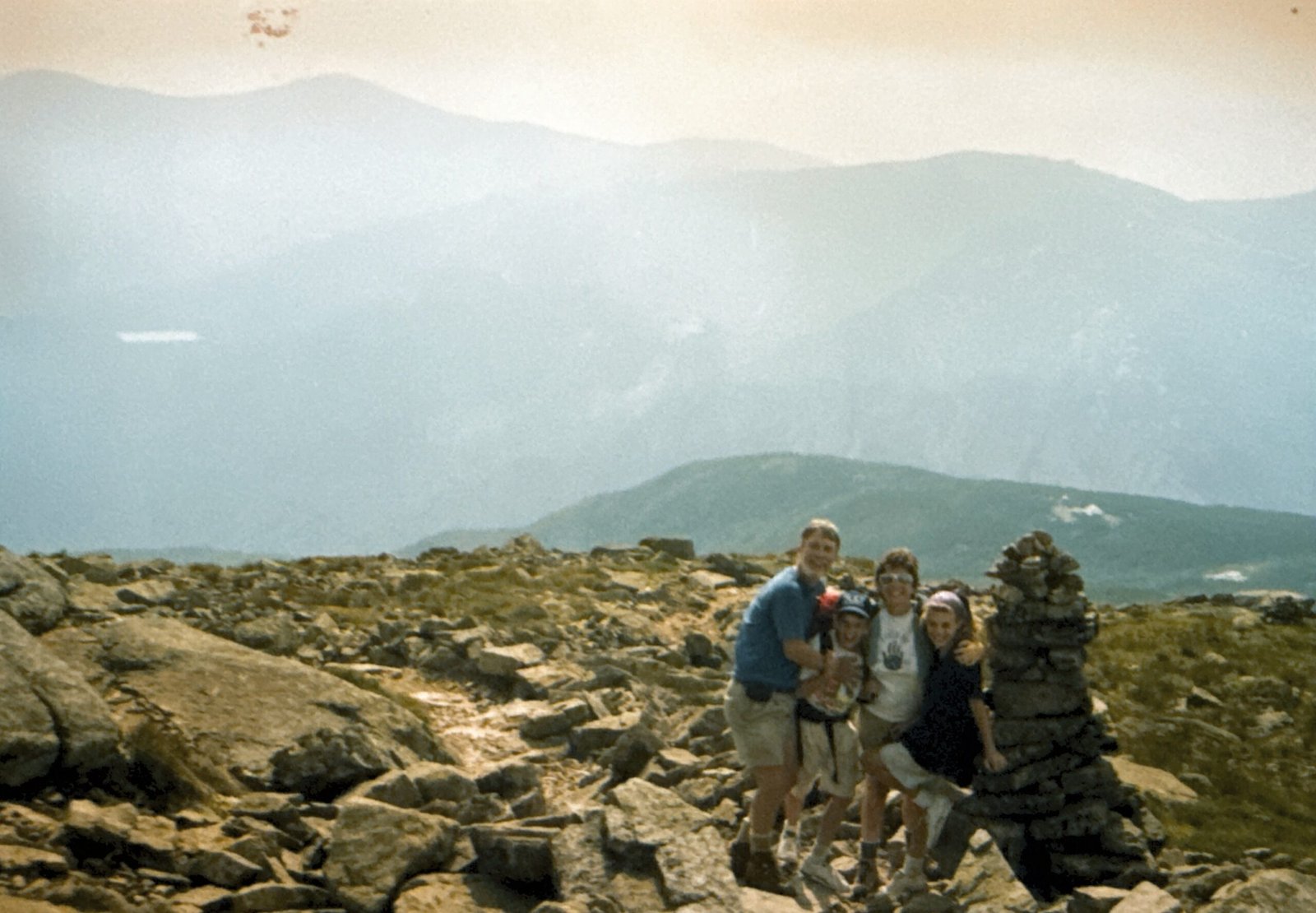

Pete’s (Papa's) Lasting Legacy
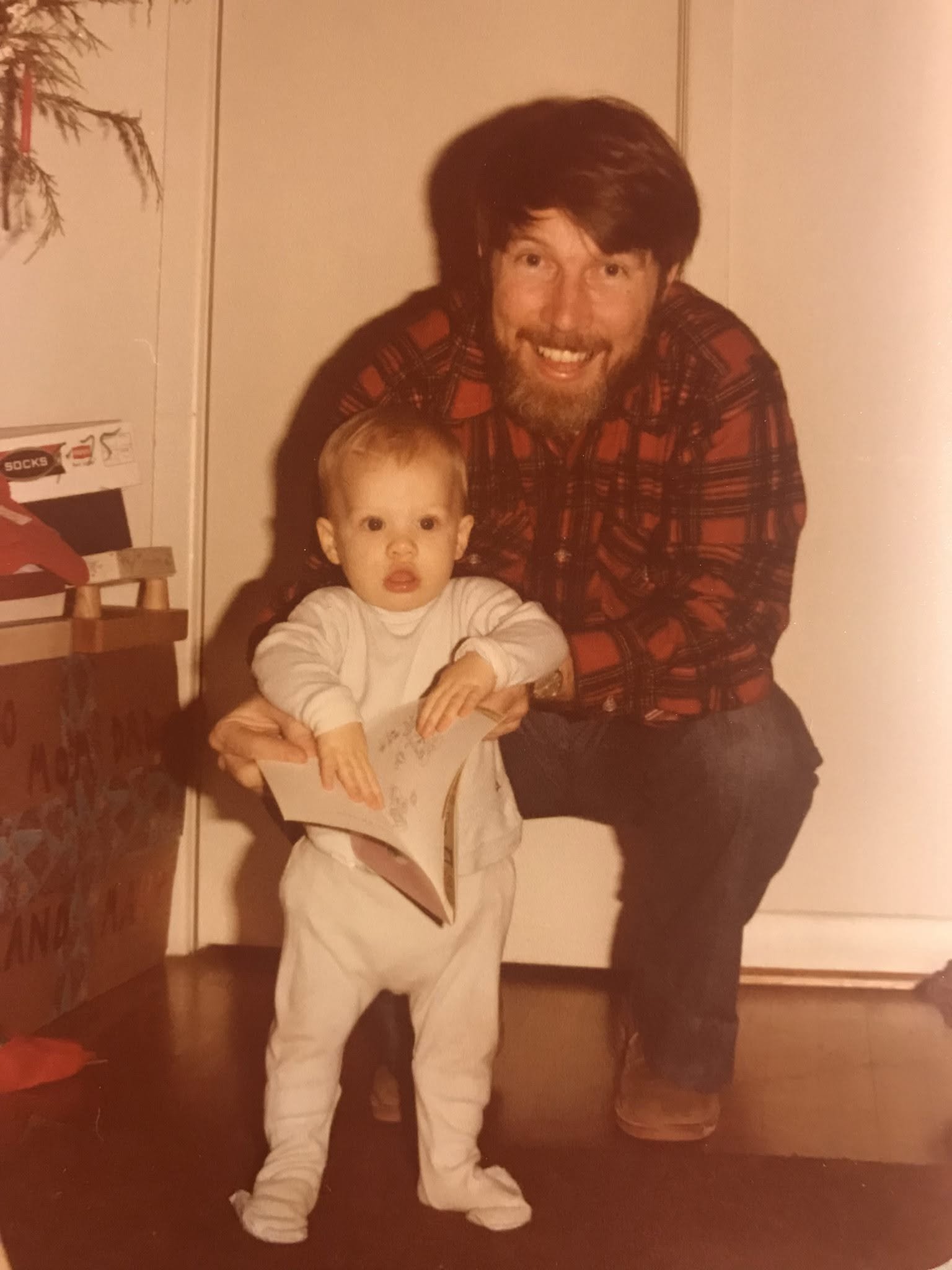
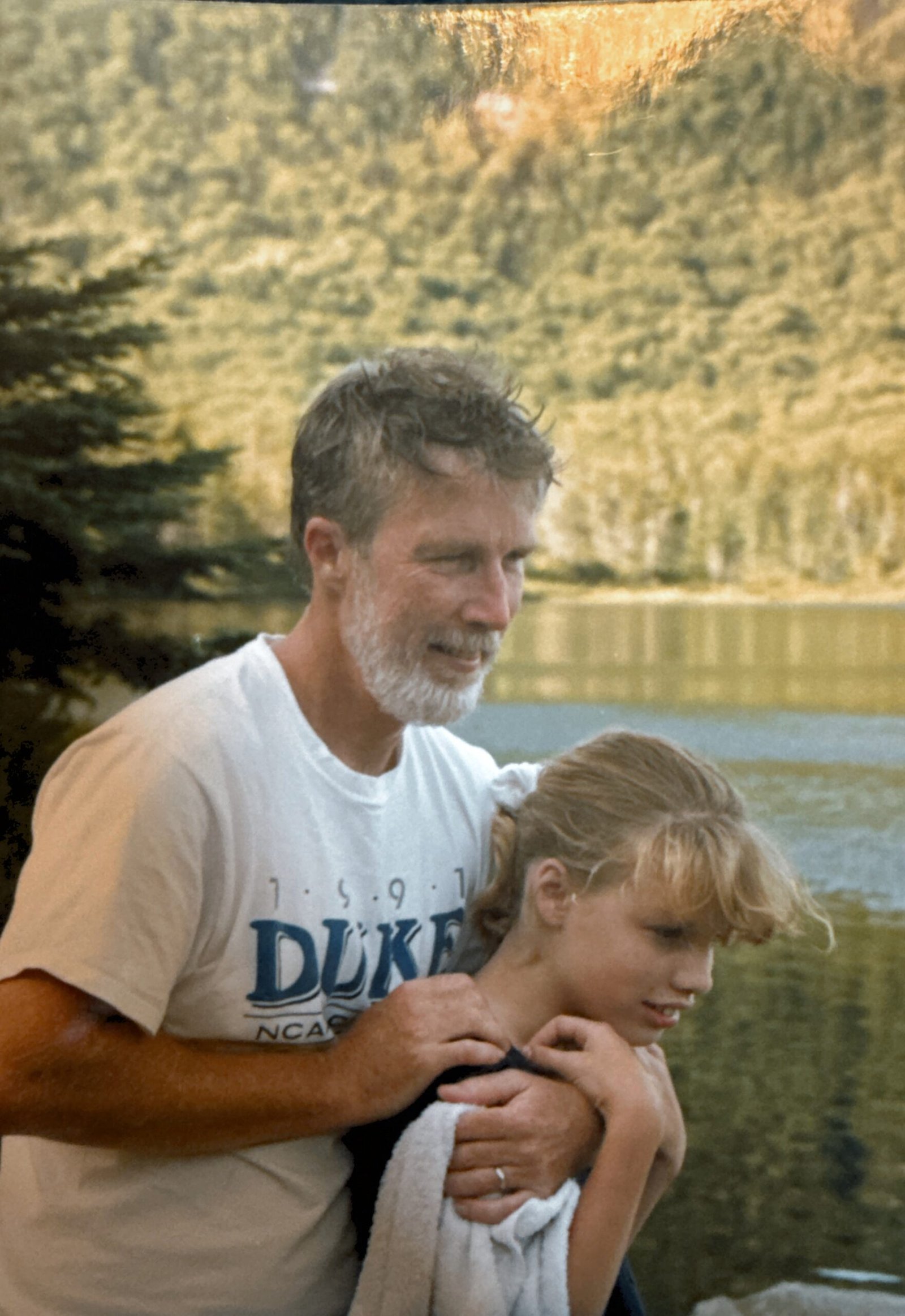
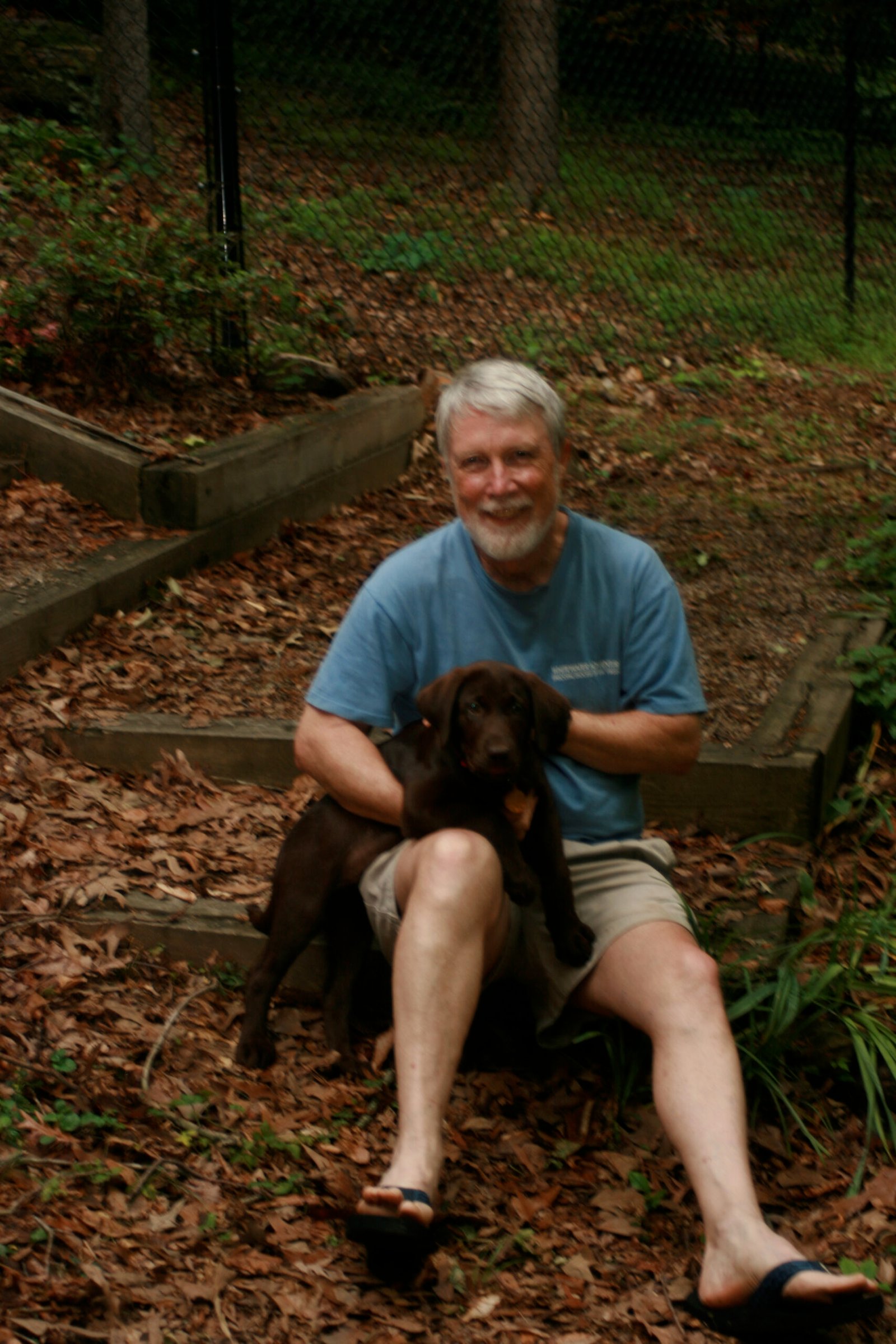
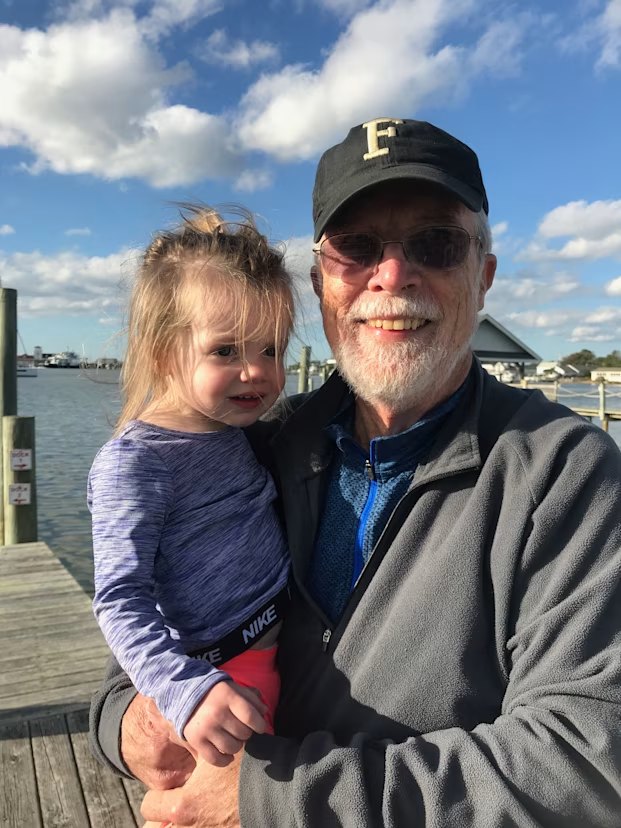
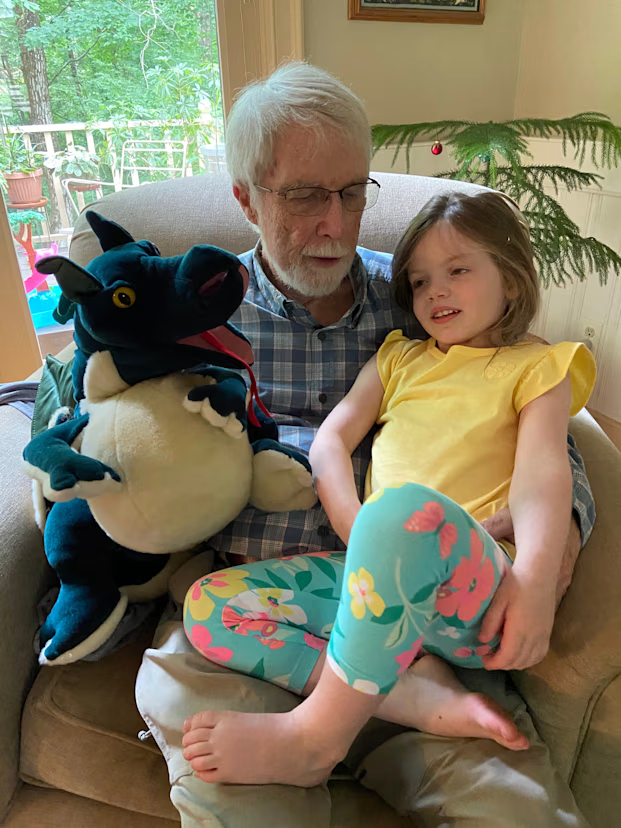
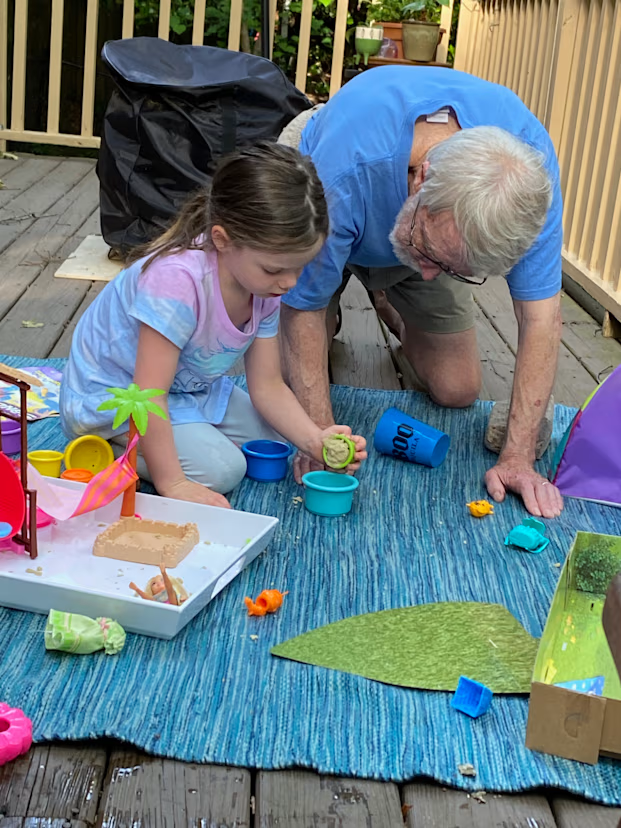
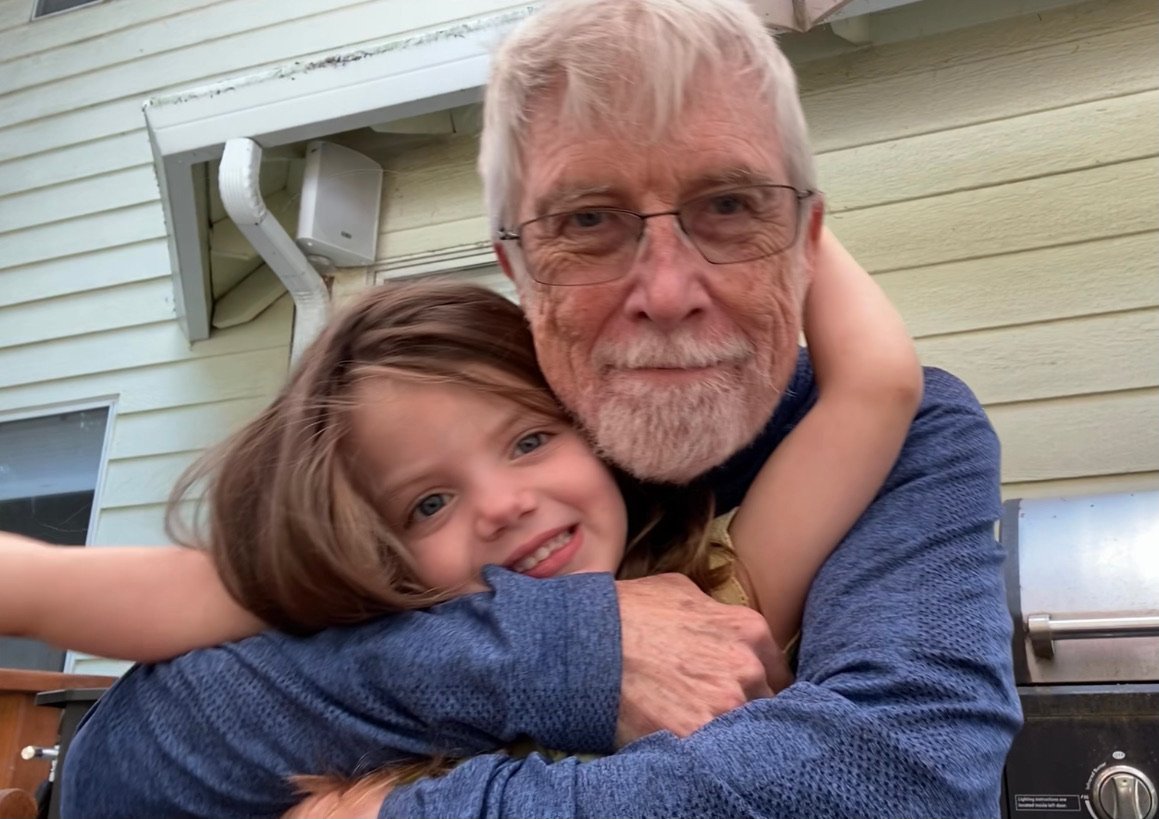
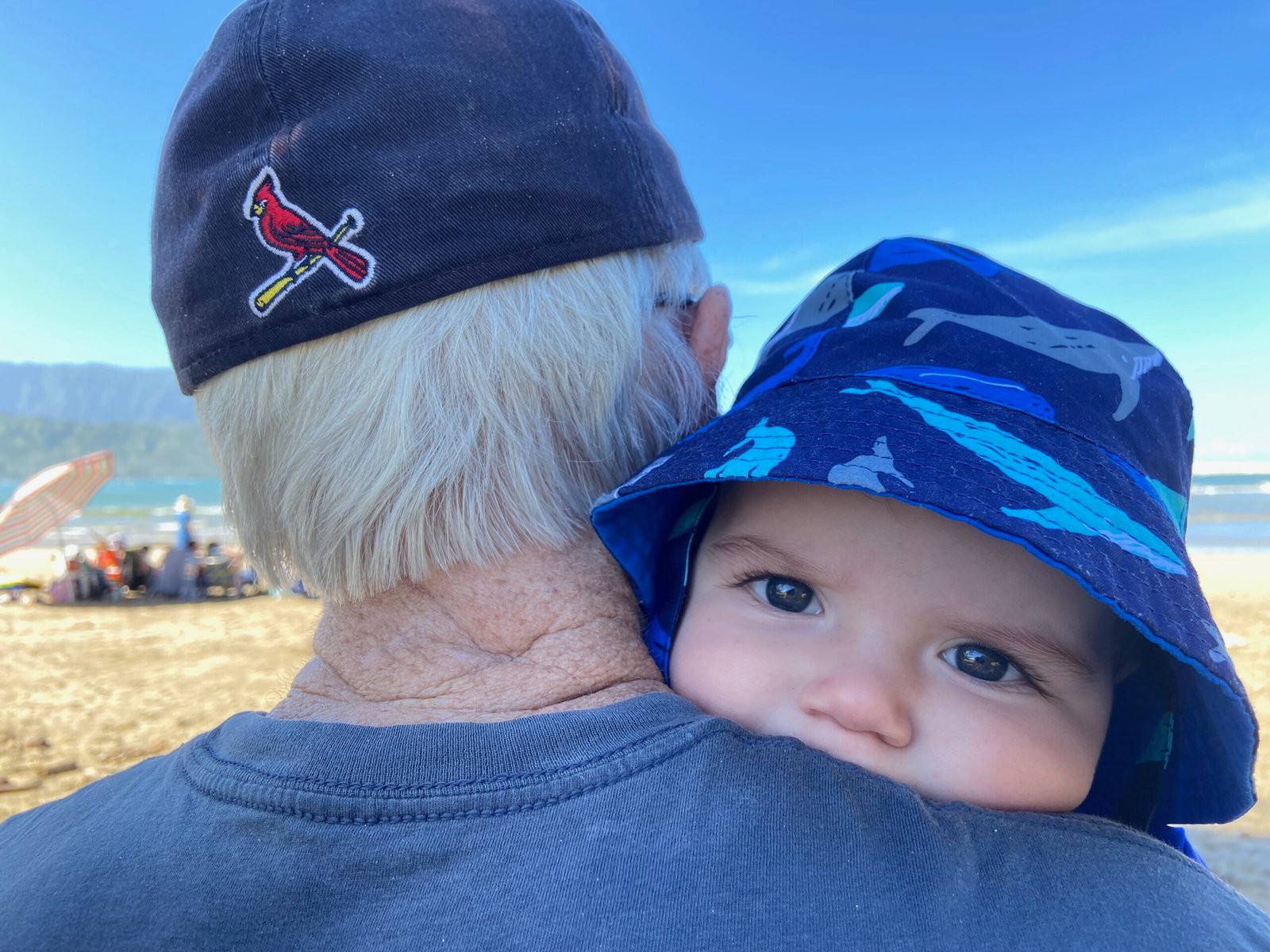
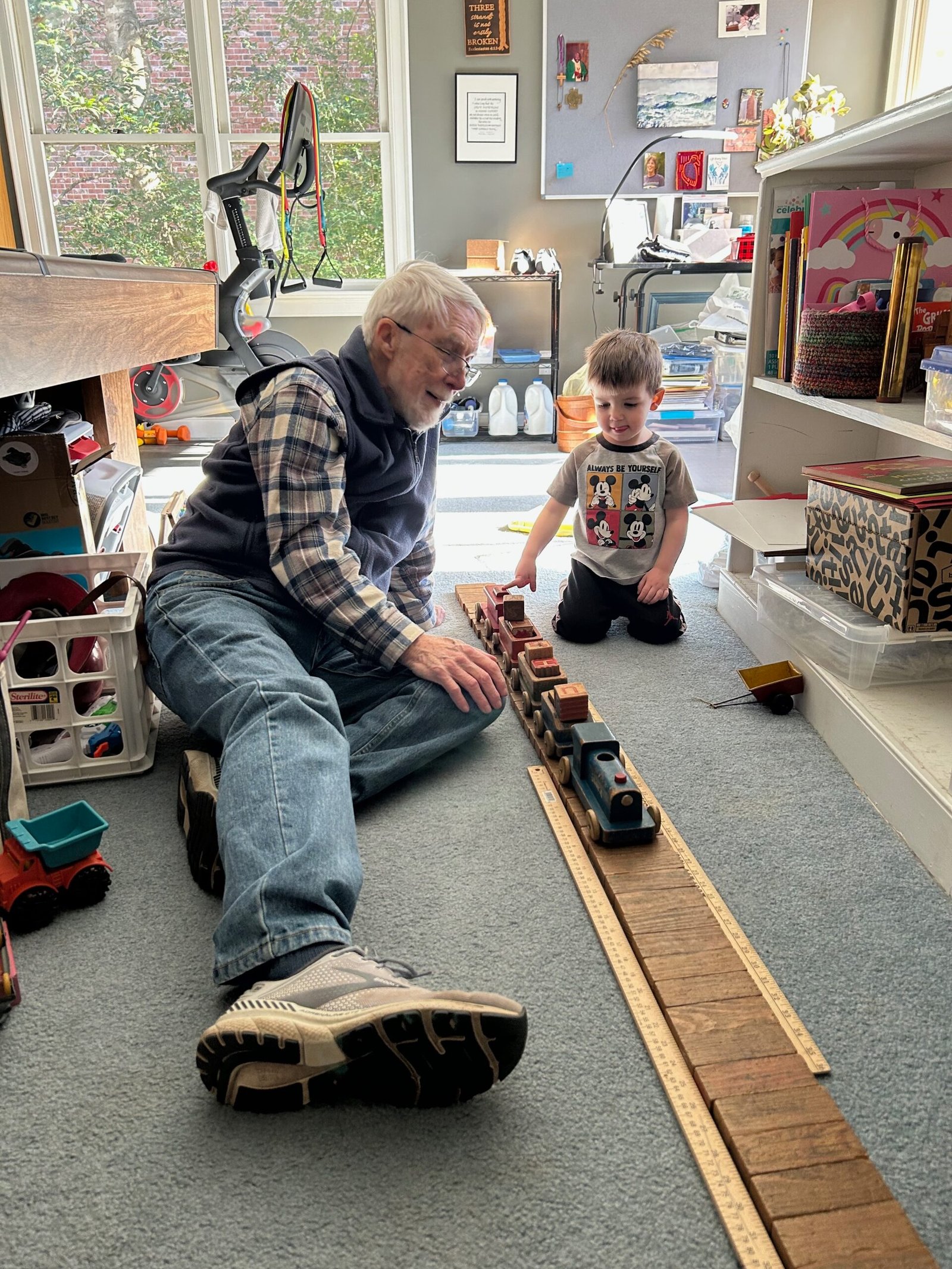
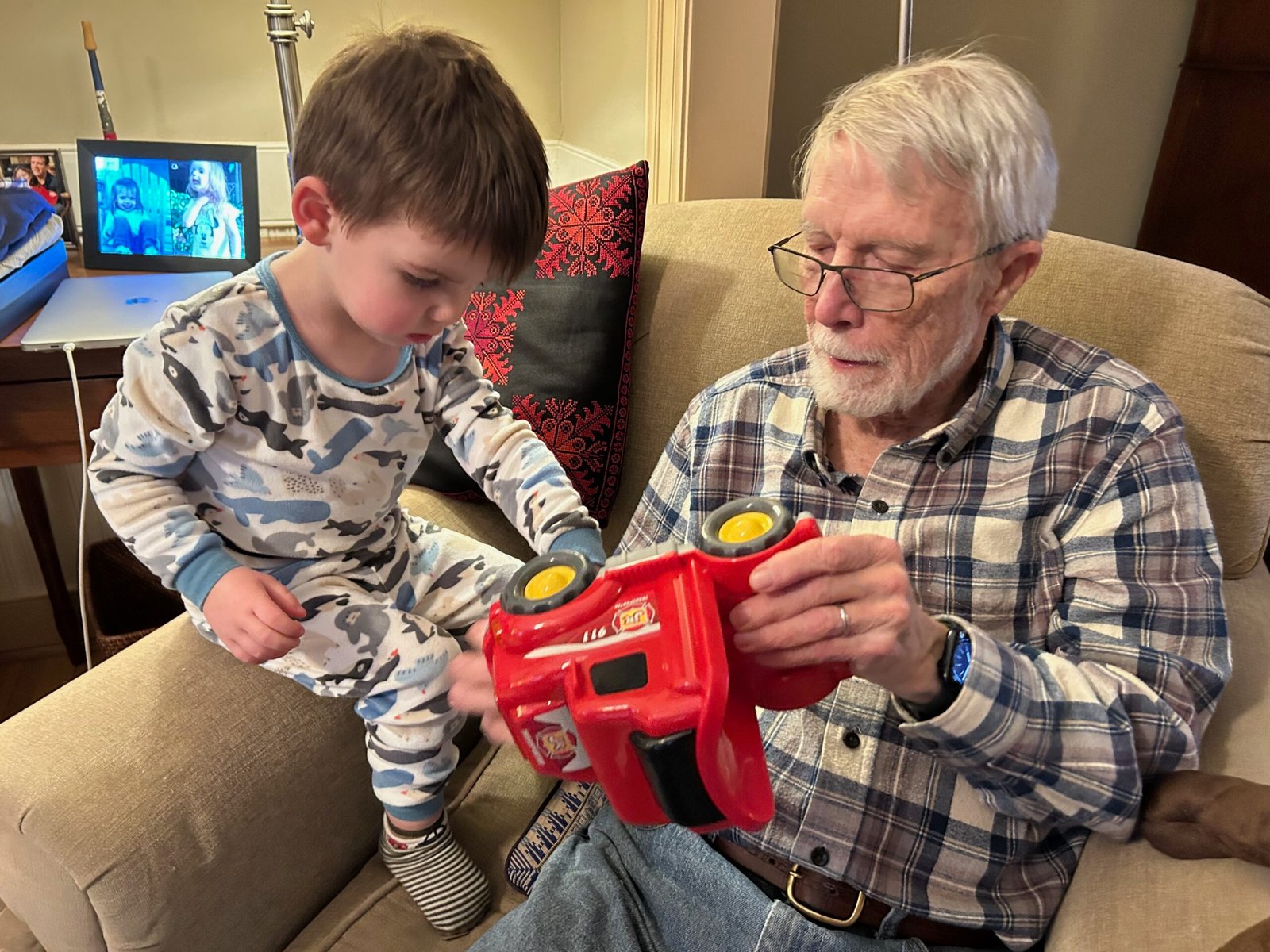
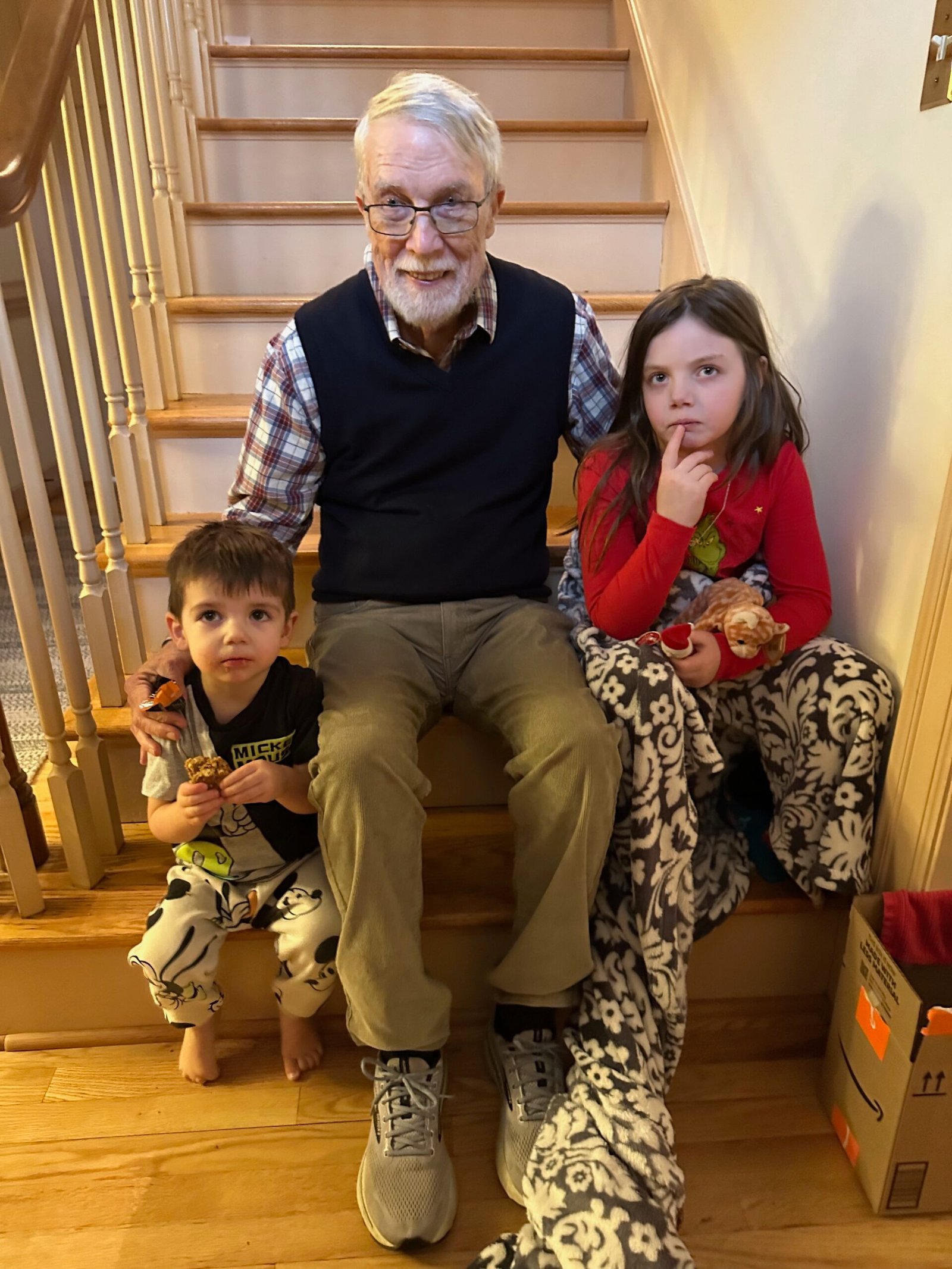
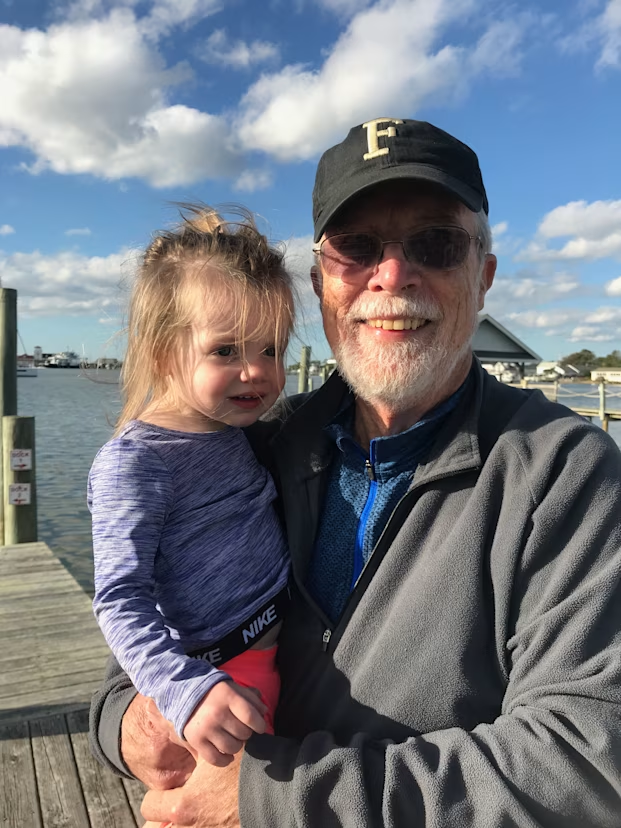
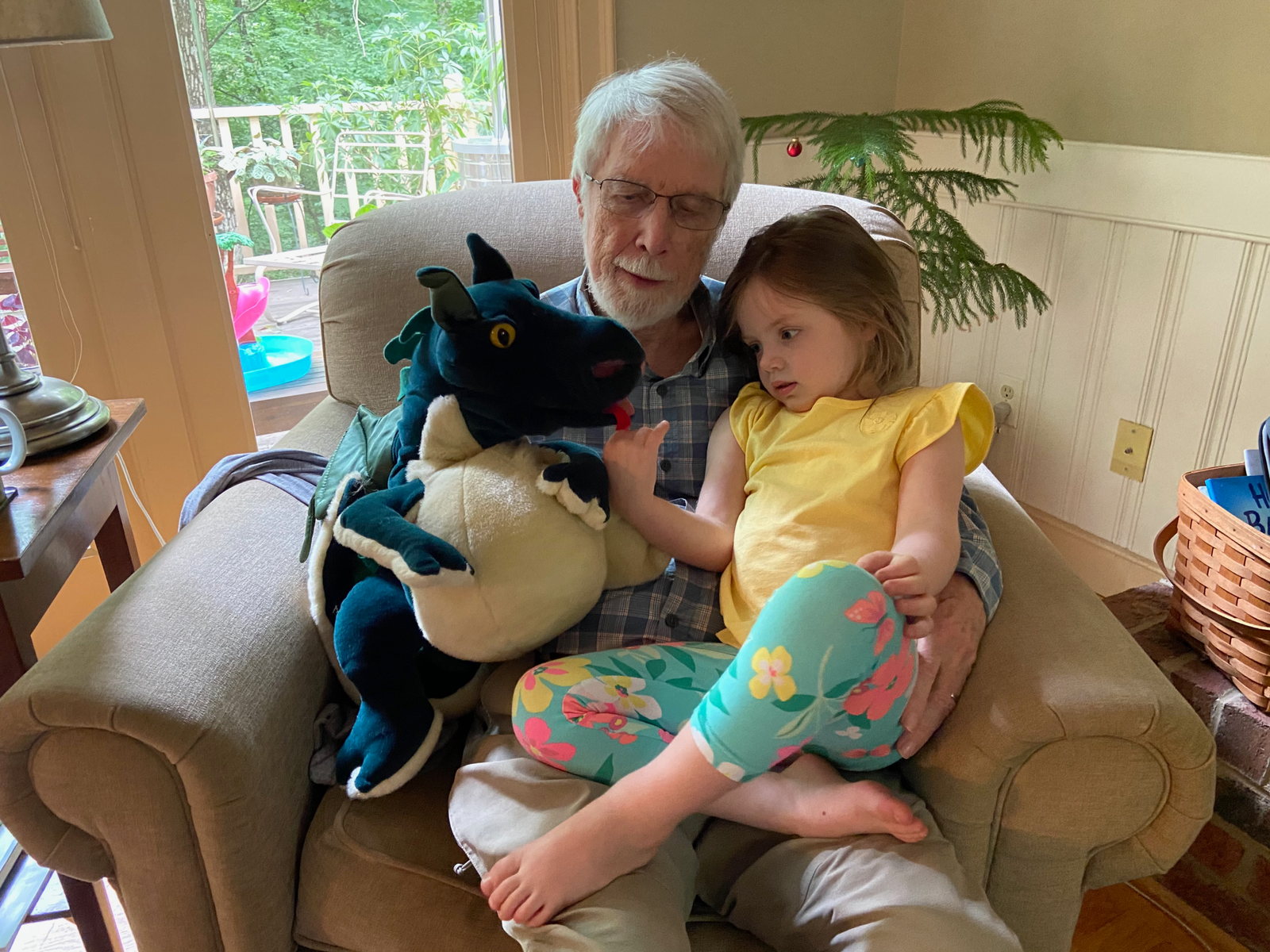
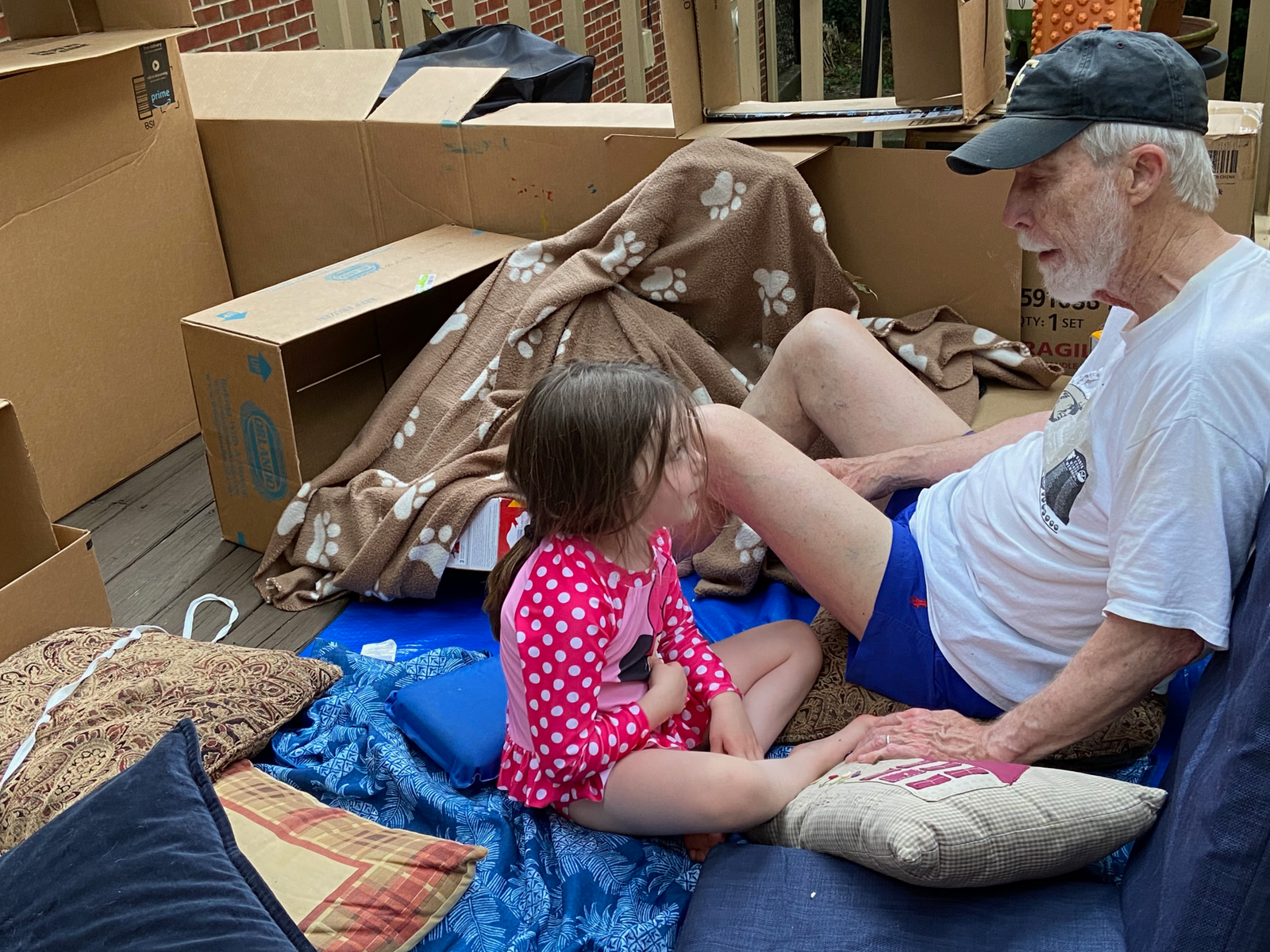
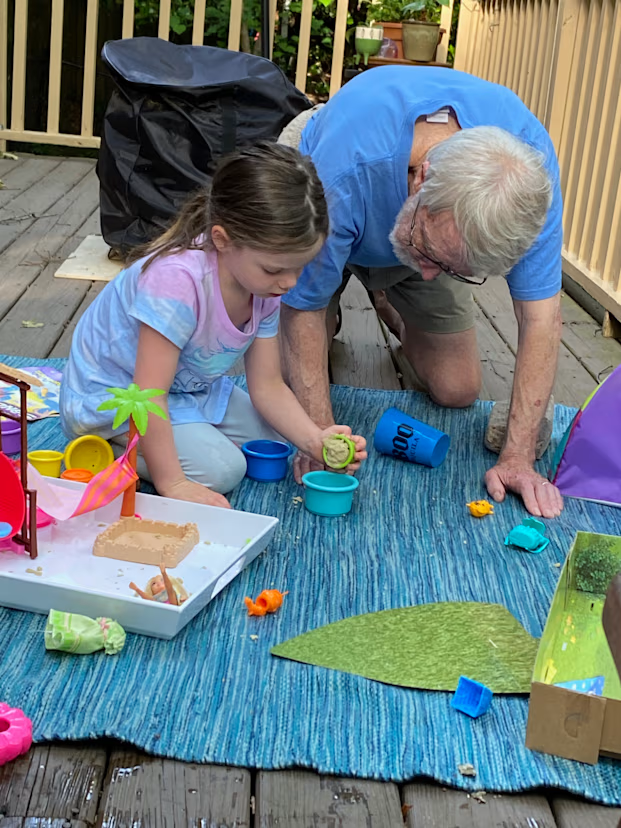
Of all the titles Pete held—author, professor, activist, explorer—none was more precious to him than “Papa.”
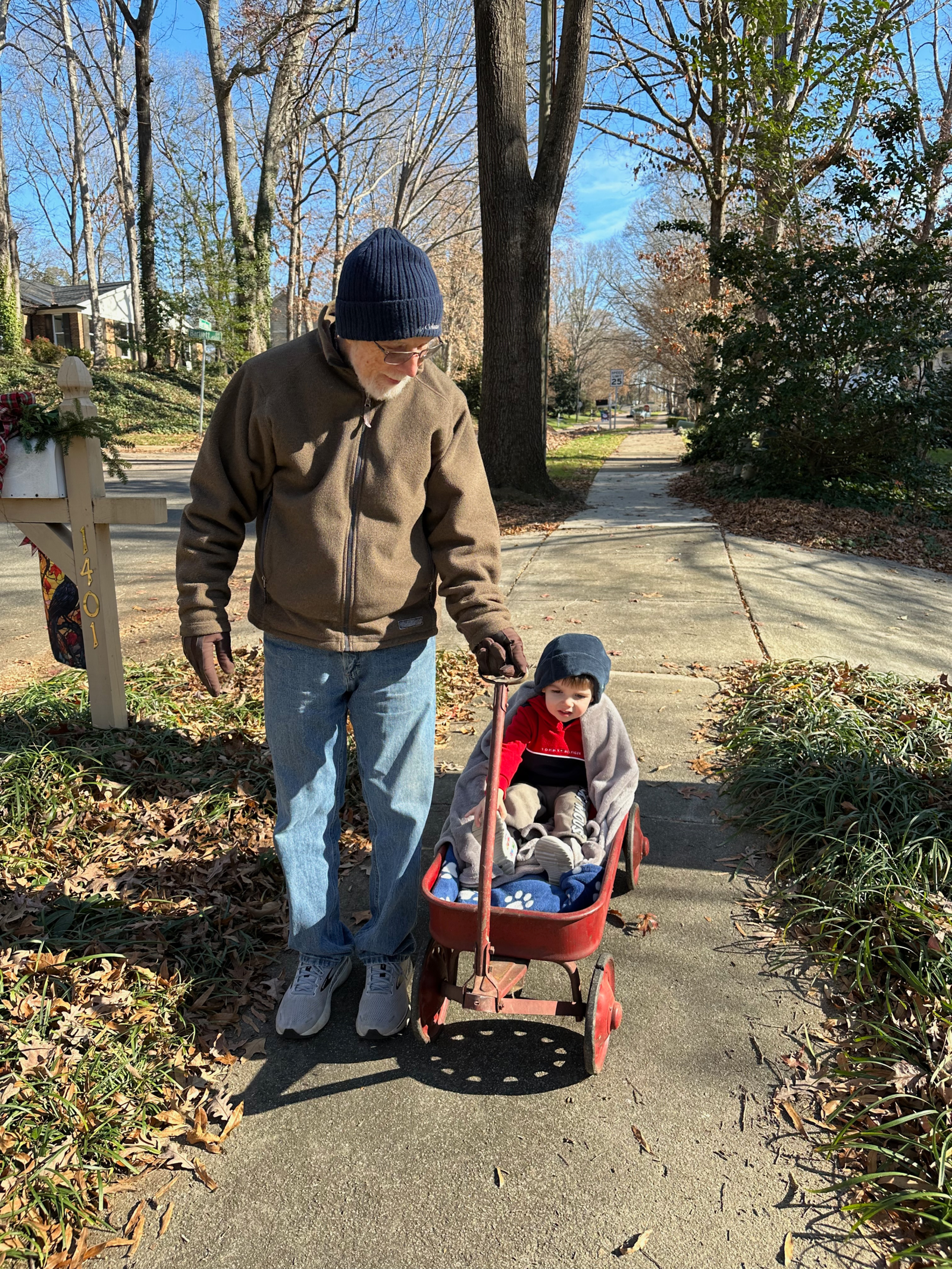
His granddaughter, Harper, fondly remembers him as the “best box-fort builder ever,” a co-conspirator in bedtime stories that stretched as far as their imaginations would allow. And though his grandson, Harrison, was only three years old when Pete passed away, the family preserves his memory through quiet traditions—like rides in the very same wooden wagon that Pete’s father, Ed, once used to pull a young Pete through the neighborhoods of Winston-Salem.
Lorem ipsum dolor sit amet, consectetur adipiscing elit. Ut elit tellus, luctus nec ullamcorper mattis, pulvinar dapibus leo.
Lorem ipsum dolor sit amet, consectetur adipiscing elit. Ut elit tellus, luctus nec ullamcorper mattis, pulvinar dapibus leo.